







Control Humidity at the Source
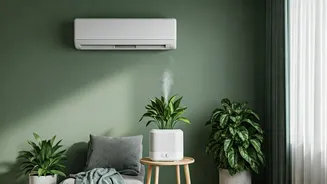
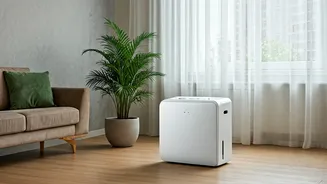
The number one enemy of a fresh-smelling home during the monsoon is excess humidity. An effective way to combat this is to invest in a dehumidifier, especially for damp-prone areas. For a more natural approach, place bowls of rock salt, baking soda, or activated
charcoal in corners, closets, and cabinets. These materials are excellent at absorbing excess moisture from the air. Also, ensure your air conditioner is running on 'dry mode', which is specifically designed to remove moisture from the air. Remember to clean your AC filters regularly to prevent the circulation of dust and mould spores.
Prioritise Ventilation
While it’s tempting to keep windows shut to prevent rain from getting in, this traps stale, moist air inside. Make it a point to open windows and doors for at least 15-30 minutes a day, preferably when it’s not raining, to allow for cross-ventilation. This simple habit flushes out stuffy air and reduces condensation. In the kitchen and bathrooms, always use the exhaust fan during and after cooking or showering to expel moisture-laden air immediately.
Rethink Your Laundry Routine
Damp clothes are a major source of musty smells. Avoid letting wet or dirty clothes pile up in the laundry basket, as this encourages bacterial growth. Wash clothes promptly and use the machine’s spin cycle to remove as much water as possible. When drying indoors, use a well-ventilated area near a fan or an open window. Ensure clothes are completely dry before storing them. Ironing clothes before putting them away can also help eliminate any lingering moisture and kill mould spores.
Keep Wardrobes and Cabinets Dry
Wooden furniture and wardrobes are porous and can absorb moisture from the air, leading to a damp smell. Protect your clothes and belongings by placing moisture absorbers like silica gel packs, camphor balls, or dried neem leaves inside cupboards and drawers. Leaving wardrobe doors open for a short time each day can also help circulate air and prevent mould. Lining shelves with newspaper is another easy hack to absorb dampness.
Embrace Natural Deodorizers
Instead of masking odours with chemical air fresheners, which can add to indoor pollutants, opt for natural solutions. Simmering a pot of water with citrus peels, cinnamon sticks, and cloves can fill your home with a warm, inviting aroma. Open bowls of fresh coffee grounds are great for neutralizing bad smells. You can also create your own potpourri with dried flowers like rose petals and lavender, or use an essential oil diffuser with scents like eucalyptus, lemongrass, or tea tree oil, which have antibacterial properties.
Pay Attention to Floors and Walls
Muddy footprints and general dampness can make floors feel grimy. Mop floors regularly, perhaps even twice a day in high-traffic areas, using a disinfectant floor cleaner. Be sure to dry the floor completely afterwards to prevent mildew. Keep an eye on walls for any signs of damp patches or mould. Clean any visible mould immediately with an appropriate cleaner. If dampness persists, it might indicate a leak that needs to be addressed professionally.