


The Crucial Test Series
The journey to sending Indian astronauts—or 'Vyomanauts'—into space is paved with a meticulous and demanding series of trials. The Indian Space Research Organisation (ISRO) is leaving no stone unturned, with each test designed to validate the technology
that will protect the crew. These trials are not just about checking boxes; they are about building confidence in the systems that will carry the nation's hopes into orbit. The overall mission plan involves several uncrewed flights before the final crewed mission, which is now anticipated for 2026 or 2027. [16] This cautious, multi-step approach is essential for a mission of such complexity and national importance. [16]
Testing the Parachutes
One of the most critical phases of any space mission is the return to Earth. To ensure the crew module lands safely, it relies on a complex parachute system. ISRO has been extensively testing this system through a series of Integrated Air Drop Tests (IADT). The first successful test (IADT-01) took place in August 2025, where a dummy module was dropped from a helicopter to validate the parachute deployment sequence. [4] A second successful test, IADT-02, was conducted in June 2026, further proving the reliability of the system, which uses a total of 10 different parachutes to decelerate the capsule for a gentle splashdown at sea. [5] These tests simulate various conditions, including failure scenarios, to guarantee the system is robust enough to bring the crew home safely, even if one of the main parachutes fails to open. [6]
Meet Vyommitra: The Humanoid Proxy
Before any human flies, a 'space friend' will pave the way. Vyommitra, a sophisticated half-humanoid robot developed by ISRO, will be the sole passenger on the first uncrewed Gaganyaan missions. [1, 8] The name, derived from the Sanskrit words for 'space' and 'friend', perfectly describes its role. [3] Vyommitra can mimic human actions, operate switches, monitor the crew module's environment, and communicate with ground control in both Hindi and English. [1, 2] The robot will fly aboard the G1 mission, an uncrewed flight expected in the latter half of 2026. [1, 12] Vyommitra’s purpose is to act as a proxy for a human astronaut, allowing ISRO to gather vital data on how the spacecraft's life support systems perform and what kind of vibrations and forces a human would experience during the flight. [2, 9]
The Uncrewed Flights: G1 and G2
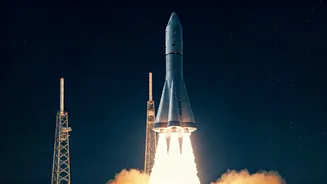
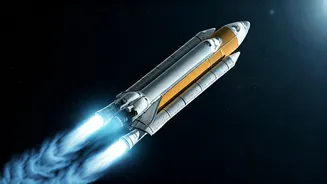
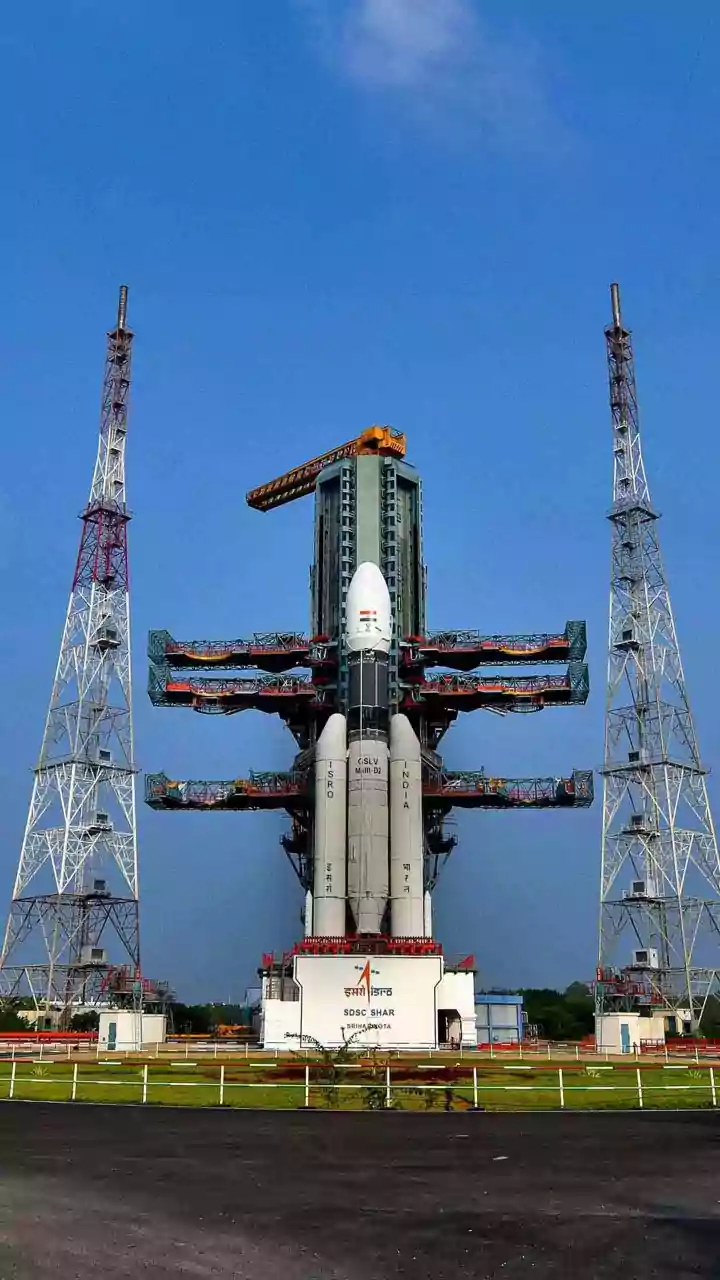
The Gaganyaan program includes at least two major uncrewed test flights, designated G1 and G2, before the final human-rated mission (H1). [9] The G1 mission, slated for late 2026, will be the first end-to-end test of the entire system. [11, 12] It will involve launching the human-rated LVM3 rocket, orbiting the Earth, and testing the crew module's re-entry and recovery procedures. [14] This flight, featuring Vyommitra, will test the spacecraft's aerodynamics and all its critical systems in a real-space environment. [13] A second uncrewed mission, G2, will follow, providing another opportunity to refine systems and gather more data before ISRO commits to a crewed launch. [9] These missions are vital for building the operational experience and technical assurance needed for human spaceflight. [15]
The Final Frontier: Human Spaceflight
All these trials lead to one ultimate goal: the H1 mission, which will carry three Indian astronauts into a low-Earth orbit of about 400 kilometres for three days. [9] The extensive testing, from parachute drops to robotic flights, is designed to mitigate every foreseeable risk. ISRO's leadership has been clear that crew safety is the absolute priority, justifying the deliberate and sometimes delayed schedule. [16] The successful execution of the upcoming uncrewed trials will be the final green light, marking the culmination of years of dedicated work by thousands of scientists and engineers. When Indian astronauts finally launch, they will be riding on a vehicle proven to be one of the safest in the world, thanks to the exhaustive trials being conducted today.