







A Day for a Legendary Dish
Every year on the second Friday of July, food lovers celebrate World Kebab Day, an occasion honoring a dish with a rich history believed to stretch back to medieval soldiers grilling meat over open fires. In India, the kebab is more than food; it's a culinary
icon deeply rooted in Mughlai and North Indian traditions, with classics like Mutton Seekh and Galouti kebabs holding legendary status. Traditionally, the day is a festival of smoky, spiced meats. But in a country with a profound history of vegetarianism, culinary innovation is always simmering.
Enter the Vegetarian Kebab Board
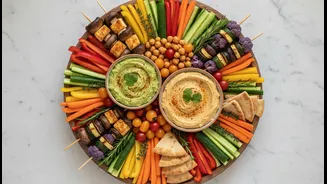
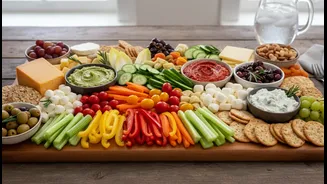
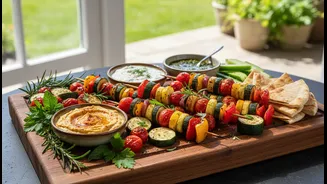
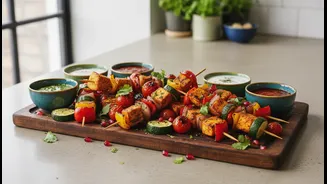
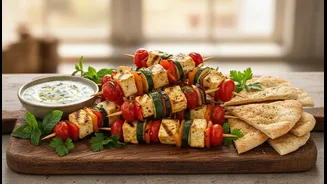
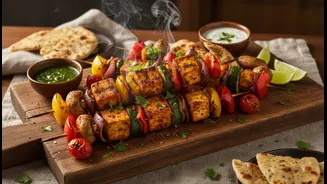
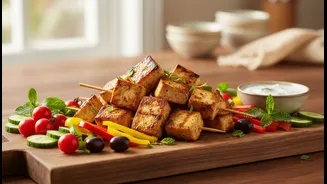
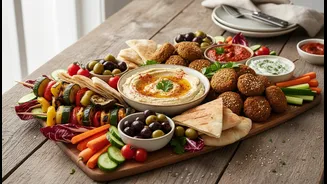
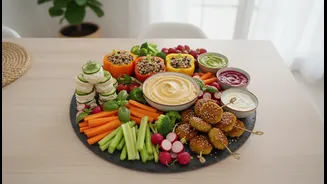
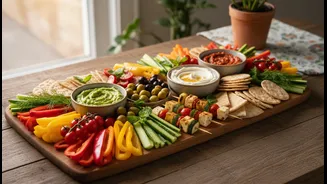
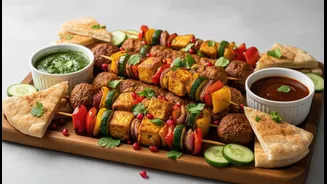
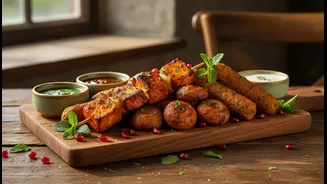
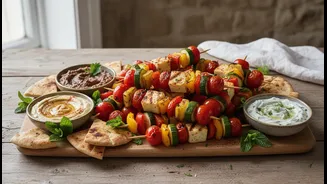
The latest evolution is the vegetarian snack board, a vibrant platter that reinterprets the kebab for modern tastes. Instead of meat, these boards are laden with colourful and flavourful alternatives. You’ll find Hara Bhara Kebabs, patties made from spinach and peas that are a relatively modern, 20th-century addition to the kebab family. Alongside them are Paneer Tikkas, Mushroom Galoutis, and the increasingly popular Soya Chaap, a plant-based protein known for its meaty texture and ability to soak up marinades. Paired with chutneys, dips, and breads, these boards transform the kebab experience into a communal, shareable feast.
A Sign of Deeper Cultural Shifts
The popularity of these vegetarian platters goes far beyond a simple food trend. It mirrors significant shifts in urban India. A growing consciousness around health and wellness is leading many to seek plant-based alternatives. The Indian plant-based food market is growing, driven by consumers looking for healthier options. This isn't necessarily about strict veganism for everyone, but a broader move towards flexitarian diets where meat consumption is reduced. Furthermore, in a social context, these boards are inherently inclusive, ensuring that both vegetarian and non-vegetarian guests can share a meal without anyone feeling left out. This reflects a modern approach to hospitality where accommodating diverse dietary choices is paramount.
The Power of a Pretty Platter
Much of this trend's momentum comes from social media. The 'grazing board' or 'charcuterie board' format is visually stunning and perfectly designed for platforms like Instagram. The vibrant colours of Hara Bhara Kebabs, the charred edges of Paneer Tikka, and the artful arrangement of dips and snacks make for an irresistible photo. Content creators and home chefs alike have embraced the trend, personalizing global concepts for Indian tastes. This digital visibility creates a cycle: people see beautiful boards online, feel inspired to make their own or order them from restaurants, and share them again, amplifying the trend. It’s a marketing phenomenon where the visual appeal is just as important as the flavour.
Redefining Tradition, Not Replacing It
The rise of the vegetarian kebab doesn't signal the end of its meaty counterpart. Instead, it showcases the dynamic and adaptive nature of Indian cuisine. Chefs and home cooks are not abandoning tradition but expanding it, creating new dishes that sit alongside the classics. Items like Soya Chaap, once a niche food, have become mainstream staples in North India by offering a texture that satisfies meat-eaters while being entirely plant-based. This innovation is a response to the evolving palate of a new generation that values both its culinary heritage and modern, globalised food culture. It proves that tradition can be a foundation for creativity, not a restriction.