




A New Frontier for Indian Science
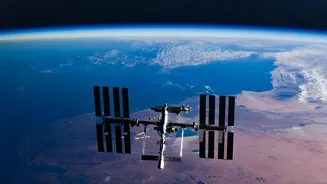
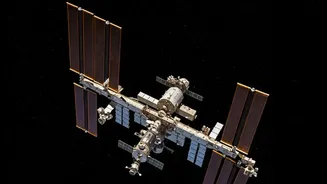
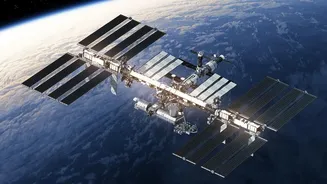
The single greatest advantage of a space station is access to a permanent microgravity laboratory. The Bharatiya Antariksha Station (BAS), expected to have its first module in orbit by 2028 and be fully operational by 2035, will be a game-changer for
Indian research. Scientists will be able to conduct long-duration experiments that are impossible on Earth or during short-term flights. This opens up new frontiers in material science, where unique alloys can be created in a zero-gravity environment, and in biotechnology, with research into drug development and pharmaceutical applications. Furthermore, it will allow for critical studies in human biology, examining the long-term effects of spaceflight on the human body, which is essential for future deep-space missions, including India's goal of a crewed lunar landing by 2040. This permanent outpost will be a hub for innovation, allowing for continuous experimentation in fields from astrobiology to space medicine.
Igniting a High-Tech Industrial Revolution
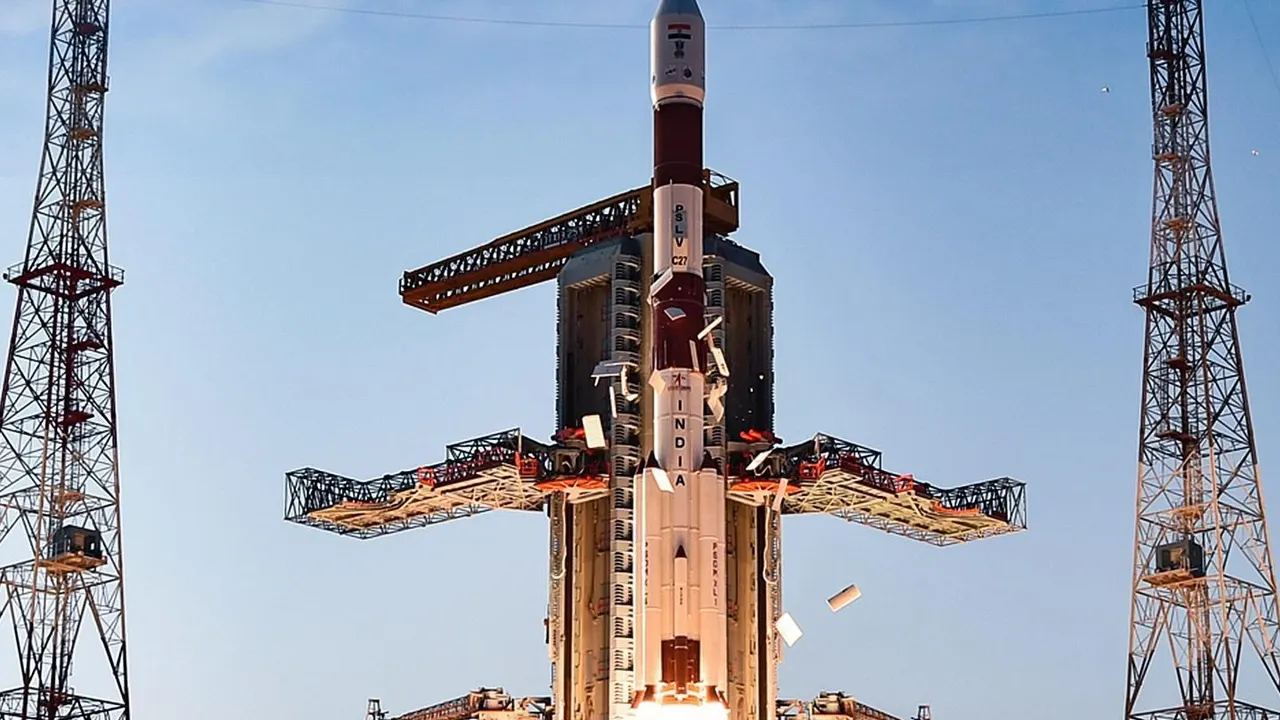
Building a space station is a complex engineering challenge that will ripple through the Indian economy. The project is expected to be a major driver for high-tech manufacturing, pushing advancements in robotics, life-support systems, advanced materials, and autonomous docking technologies. This ambition aligns with India's goal of increasing its share of the global space economy from around 2% to 10%. The development of the BAS will require a robust ecosystem of private and public enterprises, spurring the growth of hundreds of ancillary industries and startups. History shows that space programs yield significant technological spin-offs that benefit society in unexpected ways, from medical devices to environmental monitoring and advanced construction techniques. For every dollar invested in the space sector, studies suggest a multiplier effect of over $2.50 in the wider economy, signaling a massive potential return on investment.
Cultivating a Generation of Experts
A project of this scale has a profound impact on human capital. The demand for highly skilled scientists, engineers, technicians, and researchers will surge, creating thousands of high-quality jobs. This national mission will serve as a powerful inspiration for students across the country to pursue careers in Science, Technology, Engineering, and Mathematics (STEM). The challenges of designing, building, and operating the Bharatiya Antariksha Station will necessitate the development of new training programs and academic courses, elevating the nation's overall skill base. The station will act as a training ground for the 'Gaganyatris', India's astronauts, preparing them for long-duration missions and future exploration. This focus on building expertise is not just about fulfilling the needs of the space program but about creating a technically proficient workforce capable of driving innovation across all sectors of the Indian economy.
Enhancing Strategic Autonomy and Global Standing
Operating an independent space station grants India significant strategic autonomy. It reduces dependency on other nations for access to space for research and strategic activities. Having its own platform in Low Earth Orbit enhances India's geopolitical standing, cementing its role as a major space power and a leader in the Global South. The BAS will also serve as a platform for international collaboration. ISRO is already in discussions with agencies like ESA (European Space Agency) regarding potential cooperation and use of the station, which could include visits from international astronauts. This makes India a more attractive partner for complex future missions and reinforces its commitment to the peaceful and collaborative exploration of space.