





The Familiar Favourite vs. The Modern Superfood
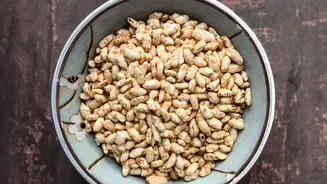
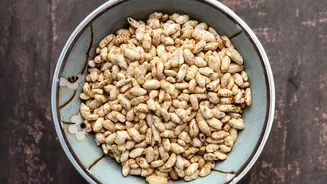
Puffed rice, known affectionately across India as 'murmura', 'muri', or 'pori', is a snack steeped in nostalgia and tradition. It's the light, airy base for everything from street-side bhel puri to a simple, low-calorie evening munch. It's affordable,
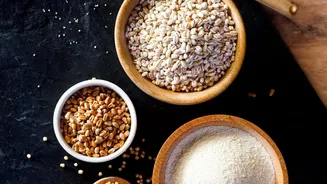
accessible, and a familiar comfort food. In the other corner stands puffed quinoa, the modern challenger. Derived from a seed celebrated as a 'superfood', it has gained immense popularity among health-conscious consumers. While new to the mainstream snack scene, quinoa's reputation for being a nutritional powerhouse precedes it, making its puffed version an intriguing alternative to its rice-based counterpart. The question for many is whether this trendy newcomer is genuinely a better choice or just clever marketing.
The Main Event: The Protein Showdown
When it comes to protein, the difference is significant. On average, puffed quinoa contains about 10-14 grams of protein per 100 grams. In contrast, puffed rice typically offers around 6-8 grams of protein for the same amount. This means puffed quinoa provides nearly double the protein content, making it a more substantial option for those looking to increase their protein intake for muscle repair, growth, and overall satiety. The higher protein is a clear win for quinoa, but the story of its superiority doesn't end with just the quantity.
Not All Protein Is Created Equal
The quality of the protein is just as important as the quantity, and this is where quinoa truly shines. Quinoa is one of the few plant-based foods considered a 'complete protein'. This means it contains all nine essential amino acids that our bodies cannot produce on their own. These amino acids are crucial for various bodily functions. Most grains, including rice, are 'incomplete' proteins because they lack sufficient amounts of certain essential amino acids, most notably lysine. While a diet that includes a variety of foods can compensate for this, quinoa offers a complete profile in a single ingredient, which is a remarkable nutritional advantage, especially for vegetarians and vegans.
Beyond Protein: Fibre, Carbs, and Glycemic Index
Looking beyond protein, the nutritional gap widens. Puffed quinoa generally has more dietary fibre than puffed rice. Fibre is essential for digestive health, and it also helps you feel fuller for longer, which can prevent overeating. In terms of carbohydrates, while both are carb-heavy, the type of carb matters. Puffed rice has a high glycemic index (GI), meaning it is digested quickly and can cause a rapid spike in blood sugar levels. Puffed quinoa, thanks to its higher protein and fibre content, has a lower to moderate GI. This leads to a slower, more sustained release of energy, making it a better choice for maintaining stable blood sugar levels, a key concern for many, including those managing diabetes.
The Verdict: Which Puff Should You Pick?
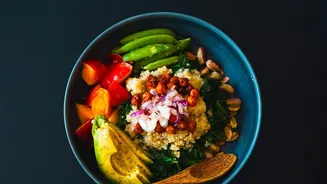
So, is puffed quinoa definitively 'better' than puffed rice? From a purely nutritional standpoint, the evidence is compelling. With significantly more complete protein, higher fibre, a richer mineral content (including iron and magnesium), and a more favourable impact on blood sugar, puffed quinoa is the more nutrient-dense option. It's an excellent choice for a post-workout snack, a fortifying breakfast cereal, or for anyone looking to maximize the nutritional value of their snacks. However, this doesn't mean puffed rice has no place. As a low-calorie, low-fat, and light-on-the-stomach snack, it’s a perfectly good option when you want something simple and crunchy without the caloric density. It excels as a base for savoury chaats where other ingredients add nutritional value.