
A Health-Conscious Awakening
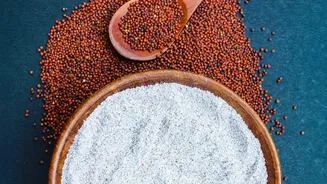
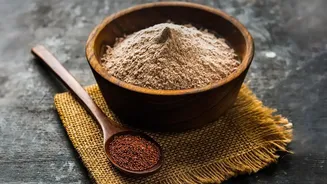
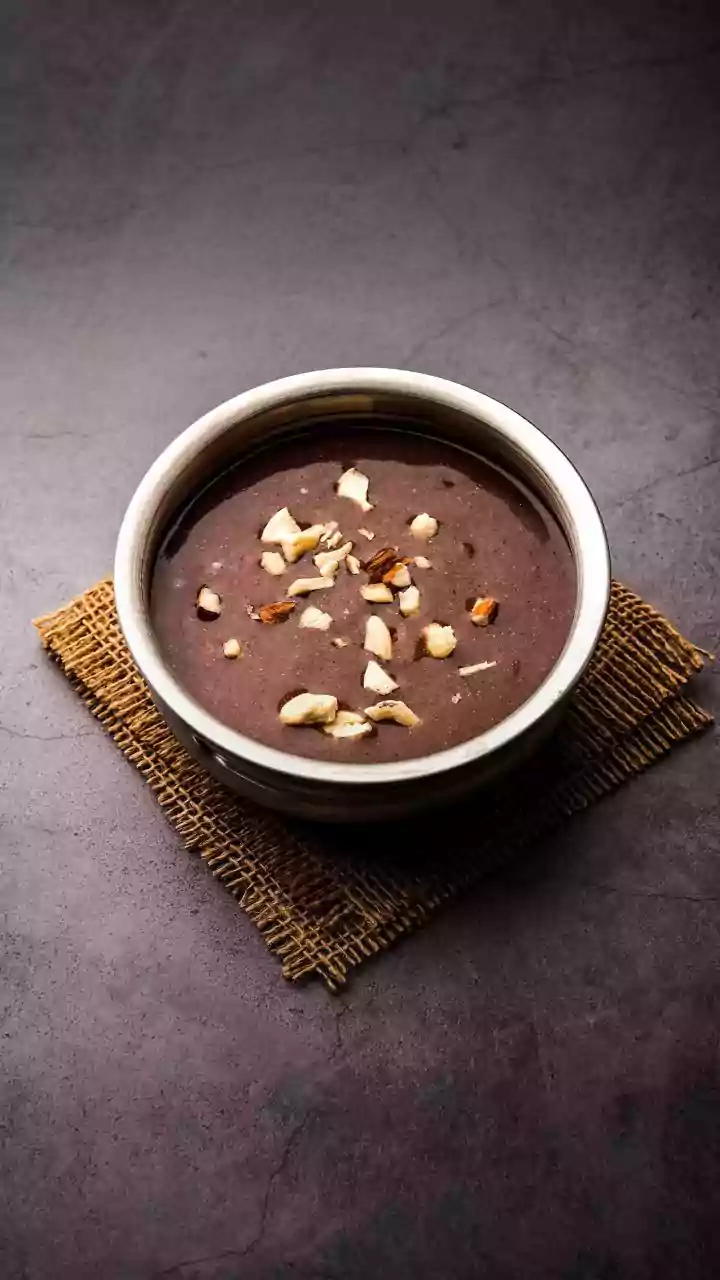
The primary driver behind this trend is a massive shift in consumer consciousness towards health and wellness. Urban Indians are increasingly scrutinizing labels and moving away from refined products like all-purpose flour (maida). Millets like ragi (finger
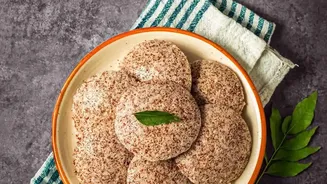
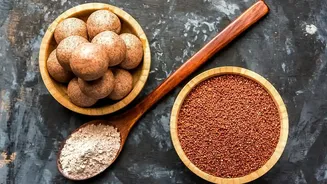
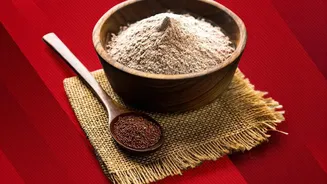
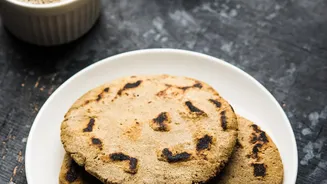
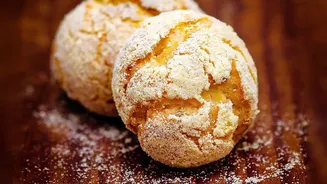
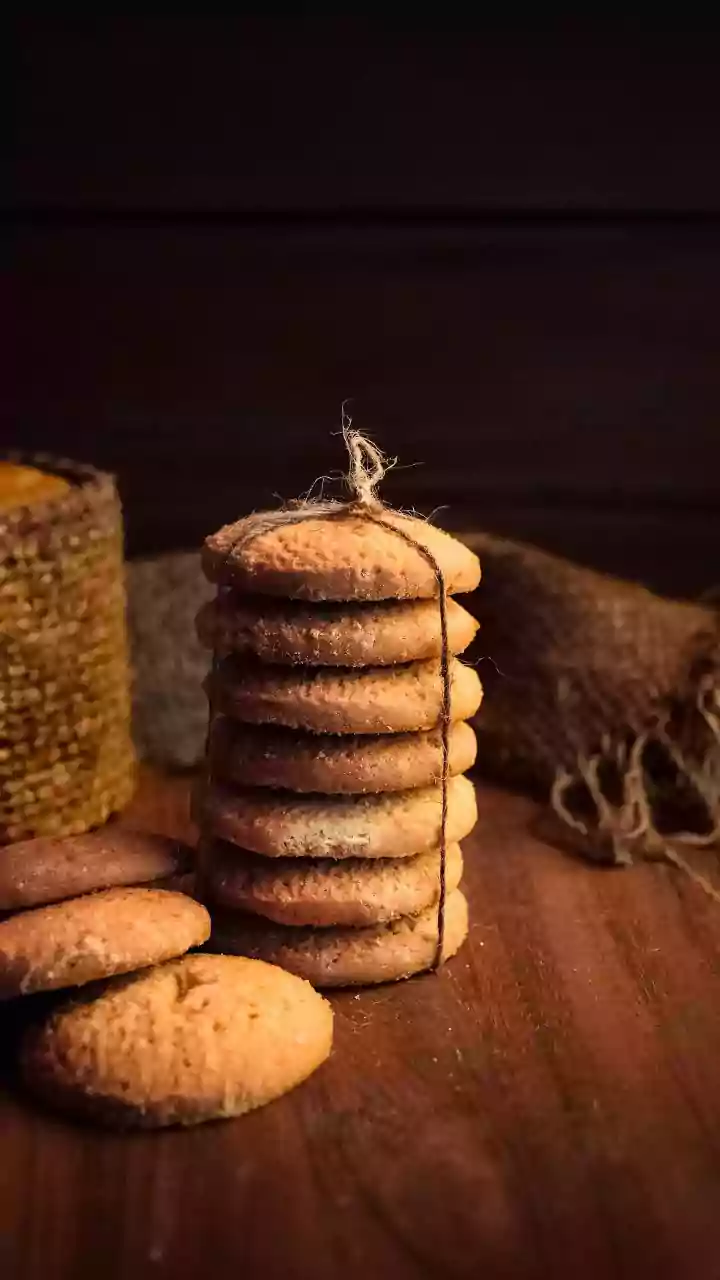
millet) and jowar (sorghum) have emerged as nutritional powerhouses. Ragi, for instance, boasts nearly ten times the calcium of wheat, alongside a wealth of iron and fibre. Jowar is also celebrated for its high fibre content and antioxidants. Both grains are naturally gluten-free and have a low glycemic index, making them ideal for diabetics and those managing their weight. As consumers actively seek healthier, minimally processed foods, these nutrient-dense cookies offer a guilt-free indulgence that aligns with modern wellness goals.
The Rise of 'New-stalgia'
For generations, millets were a staple food across India before the Green Revolution prioritized the production of rice and wheat, which inadvertently pushed these traditional grains to the sidelines. They became associated with rural or 'poor man's food'. Today, that perception has completely flipped. This resurgence is a form of 'new-stalgia' — a blend of rediscovering ancestral wisdom and embracing modern health science. Eating ragi and jowar is no longer just a nod to tradition; it's a smart, scientifically-backed choice. This dual appeal resonates strongly with urban millennials and Gen Z, who are eager to connect with their roots while also following global superfood trends.
From Government Push to Baker's Choice
The comeback wasn't entirely organic. A significant push from the government, including the celebration of 2023 as the International Year of Millets, played a crucial role in raising awareness and improving supply chains. This national spotlight encouraged farmers to cultivate more millets and prompted food producers to innovate. Artisanal bakers were quick to see the opportunity. Ragi and jowar provide unique, nutty, and earthy flavours that create a more complex taste profile than plain flour. They also cater to a growing and affluent niche market of health-conscious customers, including those with gluten sensitivities, who are willing to pay a premium for quality, clean-label products.
More Than Just a Cookie
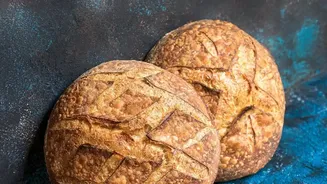
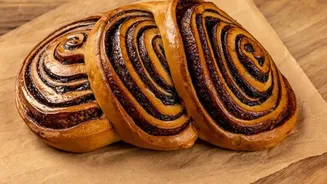
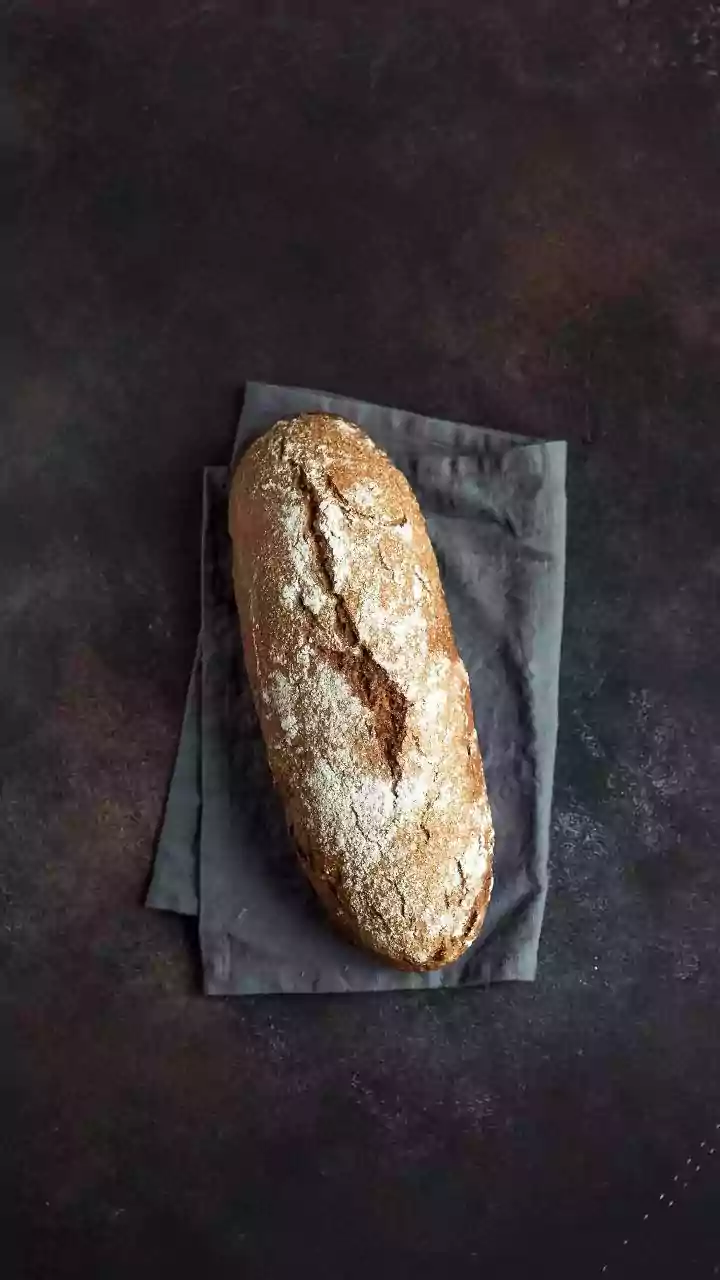
While cookies are the most visible sign of this trend, the millet movement is expanding across the entire bakery shelf. These ancient grains are now being incorporated into everything from bread and cakes to crackers and even pizza bases. Artisanal brands are experimenting with different millet flours, like bajra and foxtail, and combining them with other healthy ingredients like jaggery, seeds, and nuts instead of refined sugar and butter. This innovation signals that millets are not just a substitute ingredient but a star player, offering bakers a new palette of textures and flavours to create exciting and wholesome products for a demanding new generation of consumers.