




The Creeping Crisis of Salinity
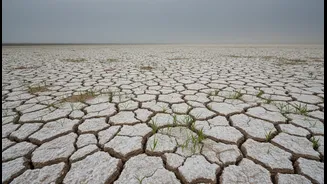
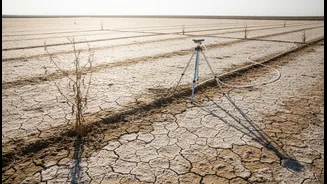
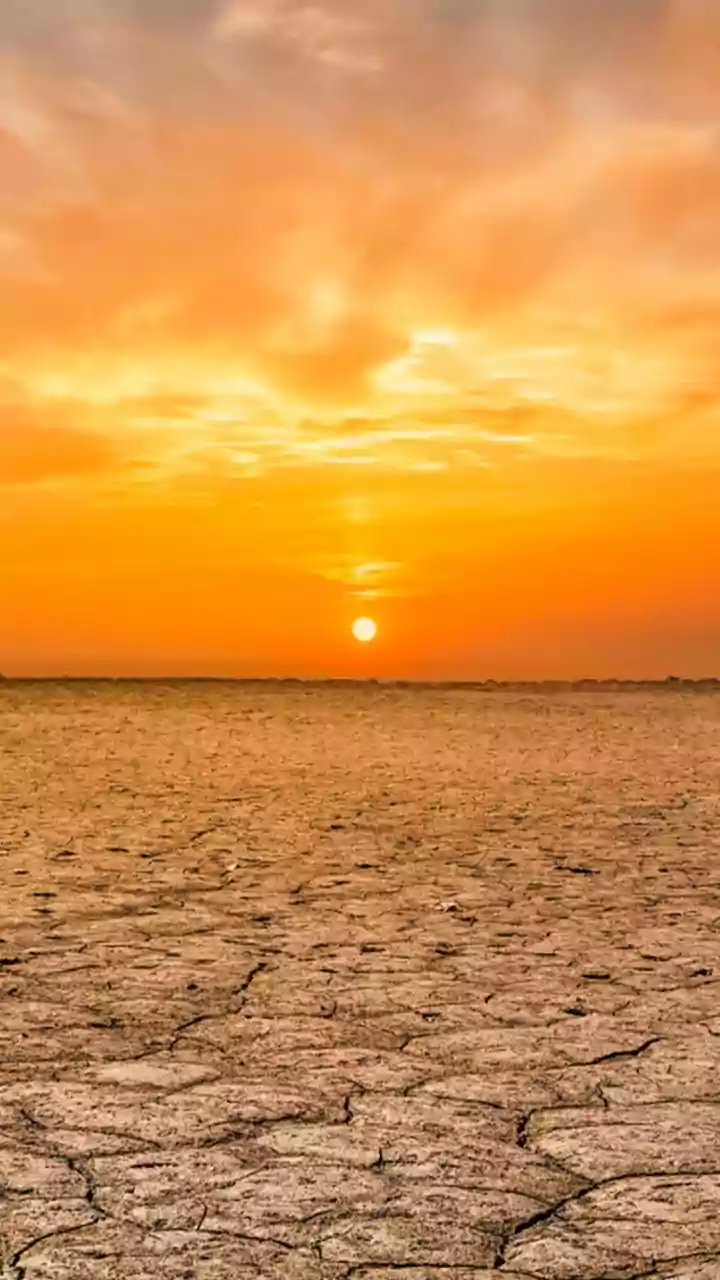
Soil salinity is the concentration of soluble salts in the soil. While salts are a natural component of soil and water, when they accumulate to excessive levels, they can be devastating for agriculture. High salt content makes it difficult for plants
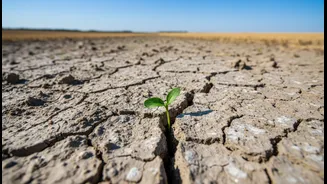
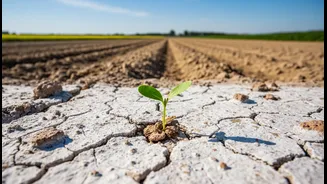
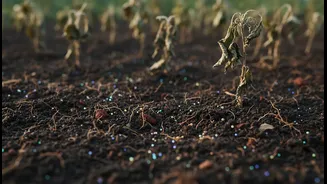
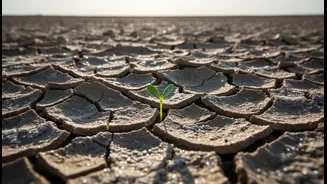
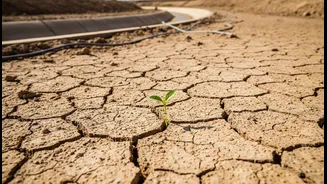
to absorb water, even when the soil is moist, creating a kind of 'chemical drought'. This osmotic stress stunts plant growth, interferes with nutrient uptake, and can ultimately lead to drastically lower crop yields or complete crop failure. In India, an estimated 6.73 million hectares of land are affected by salinity, a problem exacerbated by arid and semi-arid climates where evaporation rates are high, leaving salt deposits behind. This isn't just a localised issue; it's a creeping threat to national food security and the livelihoods of millions of farmers.
The Irrigation Paradox
For decades, expanding irrigation has been a cornerstone of agricultural development. However, improper irrigation is now a leading cause of secondary salinization. Almost all water, including river and groundwater, contains some dissolved salts. When this water is used for irrigation, plants take up the moisture but leave the salts behind in the soil. In areas with poor drainage, this effect is magnified. Over-irrigation can cause the water table to rise, bringing dissolved salts from deeper soil layers up into the root zone through capillary action. When this water evaporates from the surface, the salt concentration increases further. This creates a vicious cycle: farmers use more water to combat dry conditions, inadvertently adding more salt and worsening the long-term health of their soil.
Beyond Better Sprinklers
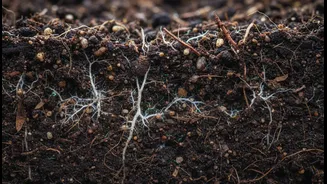
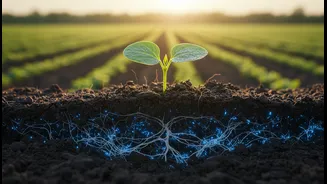
While efficient irrigation techniques like drip or subsurface irrigation are better than flood irrigation, they are not a silver bullet. A truly effective strategy requires an integrated approach to soil and water management. This starts with improving drainage. Installing subsurface tile drains can help leach, or flush, excess salts below the root zone. Another key strategy is enhancing soil health by adding organic matter like compost or manure. This improves soil structure, increases water retention, and stimulates microbial activity, all of which help buffer against the negative effects of salinity. Combining these physical and biological interventions helps create a more resilient soil environment that can better manage its salt load.
Harnessing the Power of Biology
One of the most promising frontiers is the use of salt-tolerant plants, a strategy known as phytoremediation. This involves planting crops and trees that are naturally adapted to saline conditions. In India, researchers have developed and promoted numerous salt-tolerant varieties of rice, wheat, mustard, and millets. These crops can maintain productivity in moderately saline soils where conventional varieties would fail. Furthermore, agroforestry systems, which combine trees with crops, offer a powerful solution. Deep-rooted, salt-tolerant trees like Acacia and Casuarina not only help manage the water table but also improve soil fertility over time. Scientists are also using bioengineering to develop new transgenic crop varieties with enhanced salt tolerance, borrowing genes from wild, salt-loving plants to bolster staple crops like rice.
A Unified Approach for a Resilient Future
Technology, biology, and policy must work in concert. Effective management requires large-scale monitoring using tools like remote sensing and predictive modeling to identify at-risk areas before the problem becomes severe. This allows for proactive interventions rather than reactive reclamation. At the farm level, rotating salt-tolerant crops with conventional ones can help disrupt the cycle of salt accumulation. Policy support is crucial to help farmers adopt these integrated strategies, which can involve initial investment and a shift in long-standing practices. This includes providing access to salt-tolerant seeds, promoting water-harvesting techniques, and offering training on sustainable soil management. By moving beyond a narrow focus on irrigation and embracing a holistic management system, it is possible to reclaim salt-affected lands and secure a more productive and sustainable agricultural future for India.