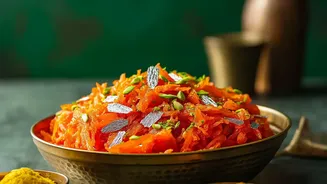







Before you toss that watermelon rind into the bin, what if you could turn it into a delicious, spicy sabzi? This traditional recipe transforms kitchen scraps into a flavourful dish that is not only sustainable but also surprisingly easy to cook.
From Scrap to a Star Sabzi
In the
landscape of Indian cuisine, resourcefulness has always been a key ingredient. Long before 'zero-waste' became a trendy hashtag, kitchens across the country mastered the art of using every part of a vegetable. This Spiced Watermelon Rind Sabzi, or 'Tarbooz ke Chilke ki Sabzi', is a perfect example of this culinary wisdom. It’s a dish born from a philosophy of 'waste not, want not', a practice passed down through generations who understood that even the parts we commonly discard hold potential for a delicious meal. The firm, white part of the watermelon rind, often overlooked, has a texture similar to a cucumber and an incredible ability to absorb spices, making it a perfect canvas for a flavourful and hearty sabzi.
A Surprising Burst of Flavour and Health
Don't let the humble origin of the main ingredient fool you; this sabzi is packed with a complex, tangy, and spicy flavour profile. The rind itself is quite neutral, allowing it to soak up the aromatic spices of the tadka. But beyond its taste, watermelon rind is also a nutritional powerhouse. It is a rich source of vitamins A, C, and B6, as well as minerals like potassium and magnesium. It's also particularly high in citrulline, an amino acid that may help improve blood flow and reduce muscle soreness. With high fibre content and low calories, it’s a dish that’s as good for your body as it is for your palate and the planet.
How to Prepare the Rind
Preparing the rind is the most crucial step. After you've enjoyed the sweet, red flesh of the watermelon, you'll be left with the large green shell. Using a sturdy peeler or a knife, carefully shave off the tough, dark green outer skin. This part can be slightly bitter, so it's best to remove it. You are aiming for the pale, whitish-green part of the rind. Once peeled, wash the rind thoroughly and chop it into small, bite-sized cubes, about half an inch each. The pieces are now ready to be transformed into a delectable sabzi.
Ingredients for the Sabzi
This recipe uses common Indian pantry staples to create its signature taste. You will need approximately 2-3 cups of chopped watermelon rind. For the base, gather 1 medium onion and 1 medium tomato, both finely chopped. For the spice blend, you'll need 1 teaspoon of cumin seeds, a pinch of asafoetida (hing), ½ teaspoon of turmeric powder, 1 teaspoon of red chilli powder, and 1-2 teaspoons of coriander powder. Other essential flavourings include 1 tablespoon of oil, 2-3 chopped green chillies, 1 teaspoon of grated ginger, salt to taste, and a splash of water for cooking. For a finishing tang, have ½ teaspoon of dry mango powder (amchoor) and a teaspoon of jaggery or sugar ready.
Step-by-Step Cooking Guide
Begin by heating the oil in a pan or kadhai over a medium flame. Once hot, add the cumin seeds and let them splutter. Add the asafoetida, followed by the grated ginger and chopped green chillies, and sauté for a minute until fragrant. Next, add the chopped onions and cook until they turn translucent. Add the chopped tomatoes and cook until they become soft and mushy. Now, it's time for the powdered spices: add the turmeric, red chilli powder, coriander powder, and salt. Stir well and cook the masala for a couple of minutes until the oil begins to separate. Add the chopped watermelon rind to the pan, mixing it well to ensure all the pieces are coated with the masala. Sauté on a high flame for 2-3 minutes. Pour in about half a cup of hot water, cover the pan, and let it simmer on a medium-low flame. Cook for about 15-20 minutes, or until the rind pieces are tender but still have a slight bite. Finally, stir in the dry mango powder and jaggery for that perfect balance of tangy and sweet. Cook for another minute before turning off the heat.
The Perfect Everyday Meal
As the name suggests, this sabzi pairs beautifully with everyday Indian meals. Its unique texture and spicy-tangy notes provide a wonderful contrast to the creaminess of dal and the simplicity of freshly made rotis or phulkas. You can also serve it with parathas for a more indulgent meal. The sabzi’s robust flavours mean it can stand on its own, but it truly shines as part of a larger thali, bringing an element of surprise and resourcefulness to the table. Garnish with fresh coriander before serving to add a final touch of freshness.