





The Scoop is a Guideline, Not a Rule
Think of the plastic scooper in your protein tub as a convenient tool, not a scientific instrument. The nutrition label on your protein powder provides a 'serving size' in grams—for example, '1 scoop (30g)'. The critical information here is the weight
(30g), not the volume (1 scoop). The scoop is simply the manufacturer's best guess at a tool that will hold approximately that weight. However, scoops are not always accurate and can vary between brands. Some brands might even require two scoops to make up a single serving.
The Problem with Powder Density
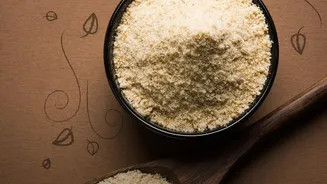
The main reason for this inaccuracy is powder density. Not all powders are created equal; some are finer and denser, while others are fluffier. Plant-based proteins, for example, often have a different density than whey proteins. Furthermore, the powder in a new tub is often settled and compacted from shipping. A scoop from the top of a freshly opened container will weigh significantly less than one from a container that's been shaken or has had time to aerate. This variation in how tightly the powder is packed can lead to you getting much less, or more, protein than you intend with each serving.
'Heaping' vs. 'Level' Changes Everything
How you scoop also makes a huge difference. Are you using a 'level' scoop, where you use a straight edge to wipe away the excess, or a 'heaping' one, where the powder is mounded on top? The difference between the two can be several grams of powder, which alters the calories and protein you consume. Some brands specify whether their measurement is based on a level or heaping scoop, but many don't, adding another layer of guesswork. This lack of standardization means that even with the same scoop and the same powder, two people could measure out different amounts.
The Real Serving vs. The Protein Content
It’s also important to distinguish between the serving size and the actual protein content. A 30-gram serving does not mean you're getting 30 grams of pure protein. That 30-gram scoop contains flavourings, sweeteners, thickeners, and other ingredients in addition to the protein itself. The 'protein per serving' value on the nutrition label, which might be 20 or 25 grams, is the number you should be tracking for your fitness goals. Different products have different protein concentrations; a whey isolate might have 25 grams of protein in a 30-gram scoop, while a whey concentrate or blend might have 20 grams in the same size scoop.
The Gold Standard: Use a Kitchen Scale
So, how do you get it right every time? The answer is simple and affordable: use a digital kitchen scale. This is the most accurate way to measure your protein powder and ensure you're getting exactly what the nutrition label states. Weighing your powder removes all the variables of density, packing, and scoop size. Place your shaker or bowl on the scale, press the 'tare' or 'zero' button to ignore the container's weight, and then add powder until you reach the gram amount listed as the serving size on your tub. This small step ensures consistency in your nutrition, which is crucial for achieving your health and fitness goals.