




From 'Toning' to True Strength
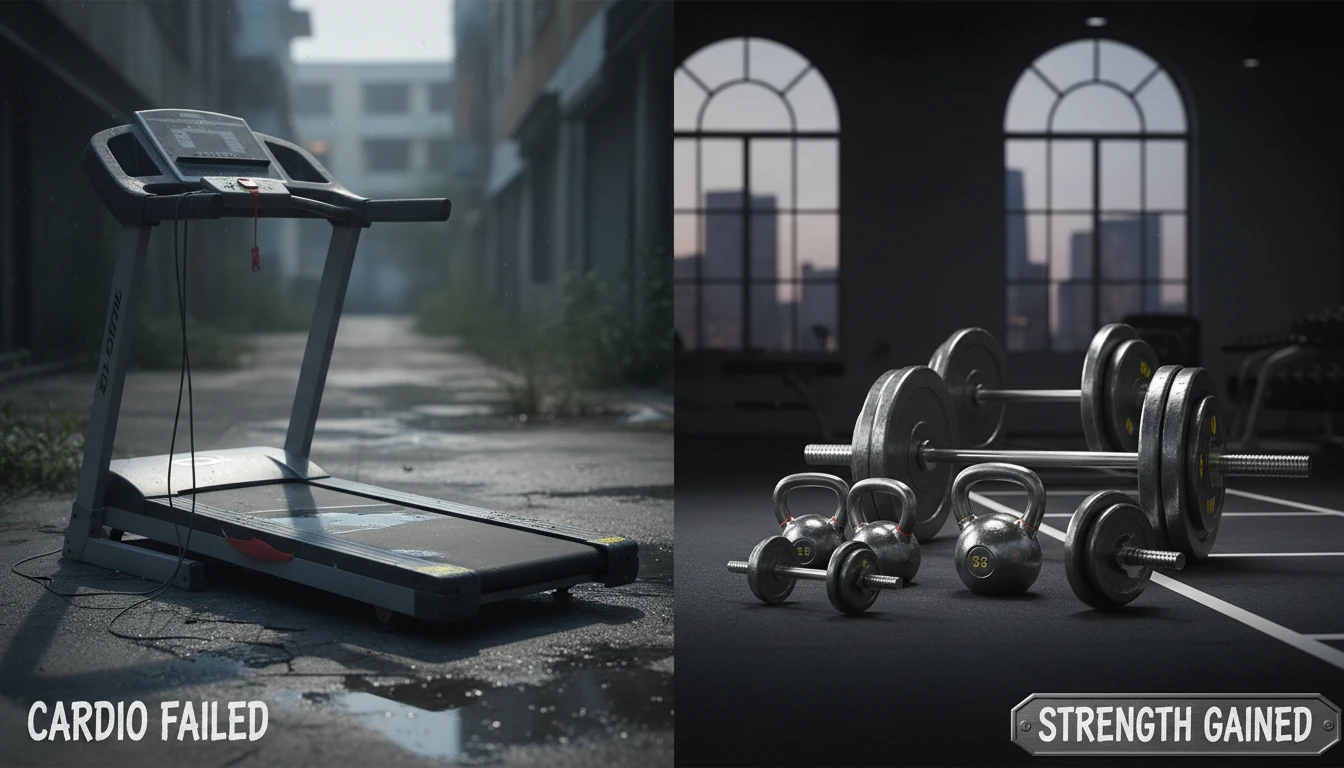
For decades, women's fitness was dominated by the goal of becoming smaller. Marketing pushed cardio-heavy routines and low-weight, high-rep exercises designed to “tone” without creating “bulk.” This philosophy often led to hours on the elliptical with frustratingly
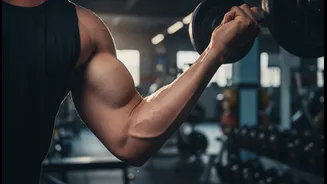
little change to show for it. The current shift is away from this idea of simply shrinking, and toward a goal of building strong, capable bodies. The conversation is no longer about “toning,” a term many experts now dismiss, but about authentically building muscle. This change is rooted in a better understanding of physiology and a collective desire for results that are both visible and functional.
The Science Behind the Swap
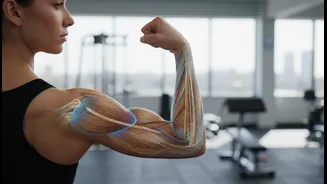
The move to strength training isn't just a trend; it's backed by science. While cardio burns calories during the activity, building lean muscle mass boosts your resting metabolic rate. This means your body burns more calories throughout the day just to maintain that muscle, making it a powerful tool for long-term body composition changes. Furthermore, resistance training is one of the most effective ways to build bone density, which is crucial for women, who are at a higher risk of osteoporosis, especially with age. It also improves insulin sensitivity and can help regulate hormones like cortisol, which, when elevated by excessive cardio, can contribute to stress and fat storage.
New Benchmarks for Success
As the method changes, so do the goals. The focus is shifting from a number on the scale to performance-based achievements. For a growing number of women, the new fitness victories are things like executing their first unassisted pull-up, deadlifting their body weight, or simply carrying all the groceries in one trip with ease. These goals are tangible, empowering, and centered on what the body can do, rather than just how it looks. This shift fosters a healthier relationship with exercise, transforming it from a punishment for food into a celebration of physical capability and progress. The confidence gained from lifting a heavier weight or mastering a new movement often extends far beyond the gym.
The Social Media Influence
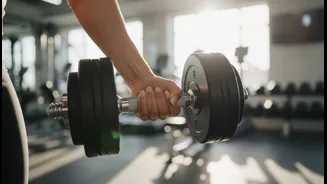
The rise of strength training among women has been undeniably amplified by social media. Fitness influencers and everyday women alike now share their lifting journeys, demystifying the weight room and creating a sense of community. Seeing other women confidently squatting and pressing heavy weights has dismantled the old stereotype that lifting is exclusively a male activity. While this can create a positive and uplifting atmosphere, it's also important to be mindful. The visual nature of platforms can sometimes lead to unrealistic comparisons or the promotion of improper form by unqualified influencers. However, for many, it has provided the inspiration and accessibility needed to pick up their first dumbbell.
More Than Just Physical
Perhaps the most profound change is the impact on mental health. Strength training has been shown to reduce symptoms of anxiety and depression, sometimes even more effectively than aerobic exercise. The act of focusing on a lift provides mental clarity, while the process of setting and achieving strength goals builds immense self-esteem and resilience. Women report feeling more confident, empowered, and in control of their bodies. This psychological boost is a key driver of the trend's staying power; it transforms exercise from a chore into a form of self-care that builds both physical and mental fortitude.