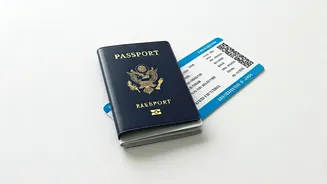









Transit vs. Stopover: Know the Difference
Before diving into budgets, it's crucial to understand the terminology. A 'transit' usually refers to staying within the airport's international zone to catch a connecting flight, which requires no visa. However, the moment you decide to exit the airport to explore
Dubai or Abu Dhabi, you are making a 'stopover'. For Indian passport holders, this is where visa eligibility becomes paramount. Planning to leave the airport means you must have a pre-arranged visa, as Indian citizens are generally not eligible for visa-on-arrival unless they meet specific criteria, such as holding a valid US visa or Green Card. Understanding this distinction is the first step in managing your stopover costs effectively.
The Free Option: The 48-Hour Transit Visa
For travellers on a tight budget, the 48-hour transit visa is a game-changer. It is offered free of charge by the UAE government to passengers transiting through its airports to a third destination. This visa allows you a two-day window to explore the city, turning a long layover into a mini-vacation without the visa expense. To be eligible, your layover must typically be more than eight hours. You need to apply for this visa in advance through the UAE-based airline you are flying with, such as Emirates, Etihad, or FlyDubai. While the visa itself is free, airlines might charge a service or processing fee, so it's important to clarify this when booking.
The Paid Upgrade: The 96-Hour Transit Visa
If two days isn't enough, the 96-hour transit visa offers a more substantial four-day stopover. This option comes with a nominal fee, typically around AED 50 (approximately ₹1,162), plus any applicable service charges from the airline or travel agent. This visa is perfect for travellers who want a more immersive experience, allowing enough time to visit major attractions like the Burj Khalifa, explore desert safaris, or even take a day trip between Dubai and Abu Dhabi. Similar to the 48-hour visa, you must hold a confirmed ticket to a third destination and apply for it before you travel through your airline sponsor. This small investment can unlock a much richer stopover experience.
Airline Perks: Your Ticket to a Free Hotel
Here is where eligibility truly works in your favour. Major airlines like Emirates and Etihad have stopover programs that can eliminate your accommodation costs. Emirates' 'Dubai Connect' service offers complimentary hotel accommodation, meals, and airport transfers for passengers with a long connection (typically 8 to 26 hours) where no shorter connection is available. Similarly, Etihad offers 'Stopover on Us', which can provide a free hotel stay for one or two nights in Abu Dhabi. Eligibility for these programs often depends on the fare paid for your ticket and your travel class. You must book these services in advance through the airline's website. These perks can save you thousands of rupees, making your stopover incredibly budget-friendly.
Planning Beyond the Visa
Once your visa and potential accommodation are sorted, the rest of your budget depends on your choices. The UAE offers a spectrum of experiences, from luxury dining to affordable street food. Utilising the extensive public transport systems like the Dubai Metro is a cost-effective way to get around. Many attractions can be enjoyed for free, such as watching the Dubai Fountain show or exploring the traditional souks. Planning your activities and setting a daily spending limit will ensure your stopover remains within your budget. Remember to also factor in the cost of travelling from the airport to the city and back.