





More Than Just a Pretty Flower
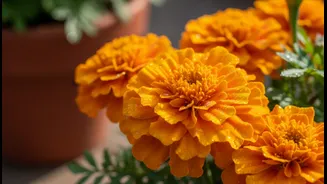
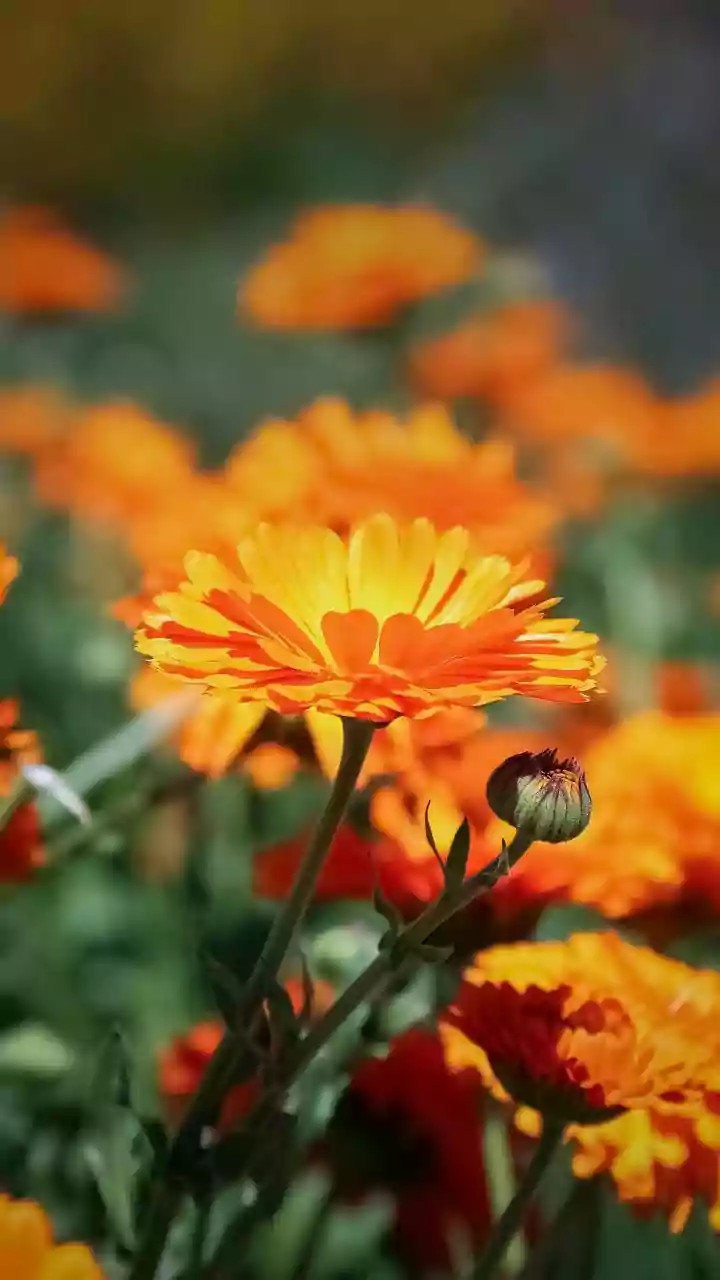
Known in India as 'Genda phool', the marigold is a staple in festivals and homes, symbolising brightness and positivity. But beyond its cultural and ornamental value, this hardy flower is a powerhouse of ecological benefits. When you plant marigolds,
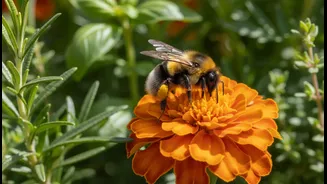
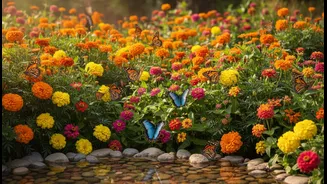
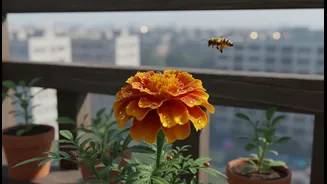
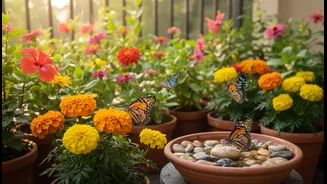
you're not just gardening; you're creating a habitat. Their vibrant colours and nectar attract beneficial insects like bees and butterflies, which are crucial pollinators. At the same time, their distinct scent, which comes from compounds in their leaves and roots, acts as a natural guardian for your other plants.
Choosing Your Marigold Champions
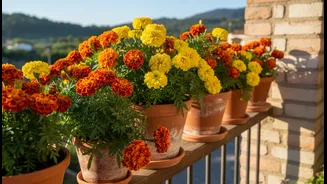
Not all marigolds are created equal when it comes to balcony life. For container gardening, compact or dwarf varieties are your best bet. French marigolds (Tagetes patula) are an excellent choice. They are bushy, come in brilliant shades of orange, yellow, and red, and are particularly effective at repelling pests. Signet marigolds (Tagetes tenuifolia) are another great option; they are smaller, more delicate, and perfect for pots and hanging baskets. Taller African marigolds (Tagetes erecta) can also be used, but they require larger pots and potentially some support as they grow.
Getting Started: Your Balcony Kit
Creating your marigold ecosystem is surprisingly simple and doesn't require a lot of expensive gear. You'll need containers with good drainage holes to prevent waterlogging and root rot. A quality, well-draining potting mix is essential for healthy roots. You can buy marigold saplings from a local nursery or grow them from seeds. Finally, ensure your balcony gets plenty of sunlight—marigolds are sun-lovers and need at least six hours of direct sun daily to thrive and produce abundant blooms.
Welcoming the Wildlife: Pollinators In, Pests Out
This is where the magic happens. Soon after your marigolds bloom, you’ll notice new visitors. Bees and butterflies will be drawn to the bright flowers, helping to pollinate not only the marigolds but any other flowering plants you might have, like chillies or tomatoes. While they invite the good guys in, marigolds work to keep the bad guys out. Their roots release a substance that can suppress harmful soil nematodes, which damage plant roots. Their scent can also deter or mask other plants from pests like aphids and whiteflies, reducing the need for chemical pesticides.
Companion Planting for a Thriving Community
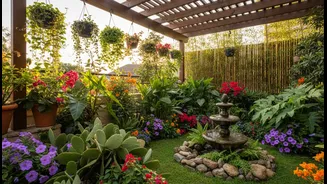
To create a truly interconnected ecosystem, pair your marigolds with other plants. They are fantastic companions for many vegetables grown in containers, such as tomatoes, cucumbers, peppers, and beans. By planting marigolds nearby, you provide a protective barrier, helping to shield these vegetables from common pests. You can also plant them alongside herbs like basil or lavender. This not only creates a diverse and resilient little garden but also makes for a beautiful, multi-textured display on your balcony.