


A Doctor in the Stars
Before becoming a NASA astronaut, Anil Menon’s career was already a high-altitude, high-stakes blend of medicine and exploration. A US Space Force colonel and emergency physician, his path was anything but ordinary. Menon’s parents immigrated to the United
States from India and Ukraine, and he grew up in Minneapolis, Minnesota. His extensive medical background includes serving as a first responder in disasters like the 2010 Haiti earthquake and providing medical support on the frontlines in Afghanistan. This experience in extreme environments eventually led him to aerospace medicine. He was SpaceX's first-ever flight surgeon, where he helped build the medical program that supported the historic Demo-2 mission, which sent the first humans to space on a commercial spacecraft. He also served NASA as a crew surgeon for astronauts on the International Space Station (ISS), even living in Russia for six months to support Soyuz missions. It was this unique blend of skills that made him a prime candidate for NASA's 2021 astronaut class.
The Eight-Month Mission
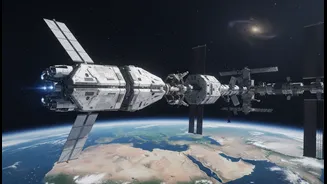
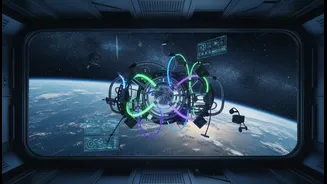
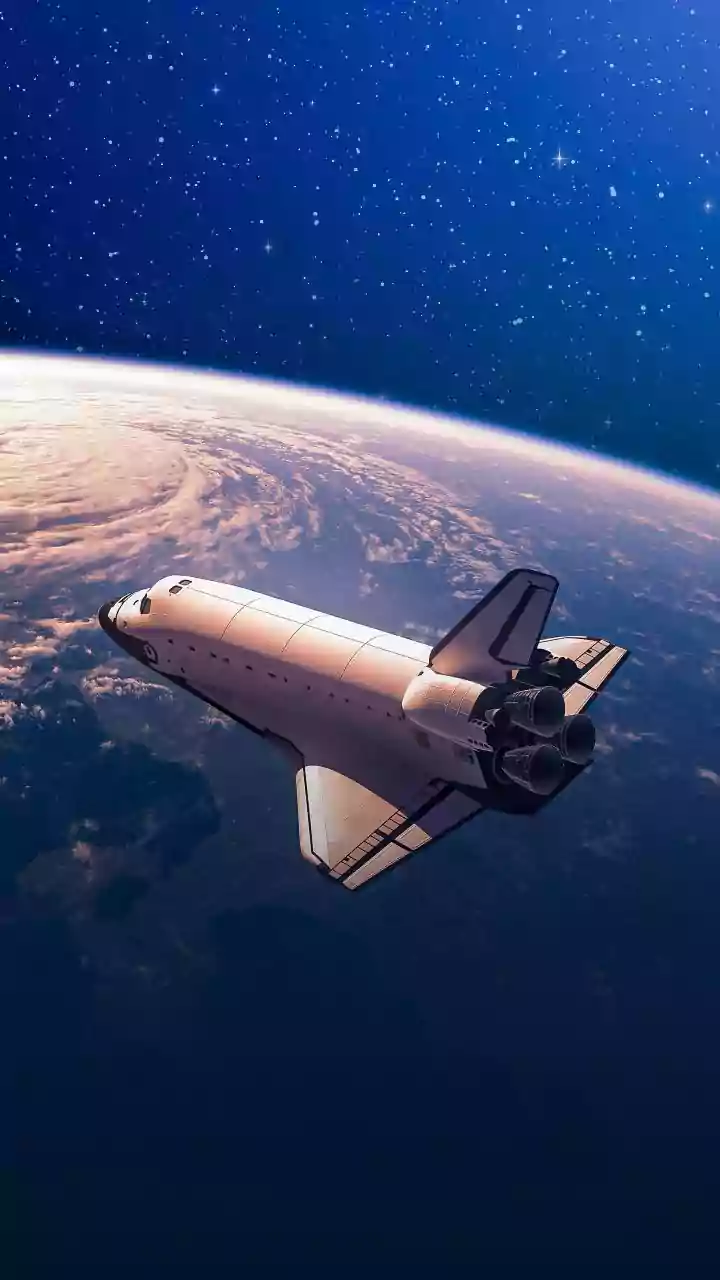
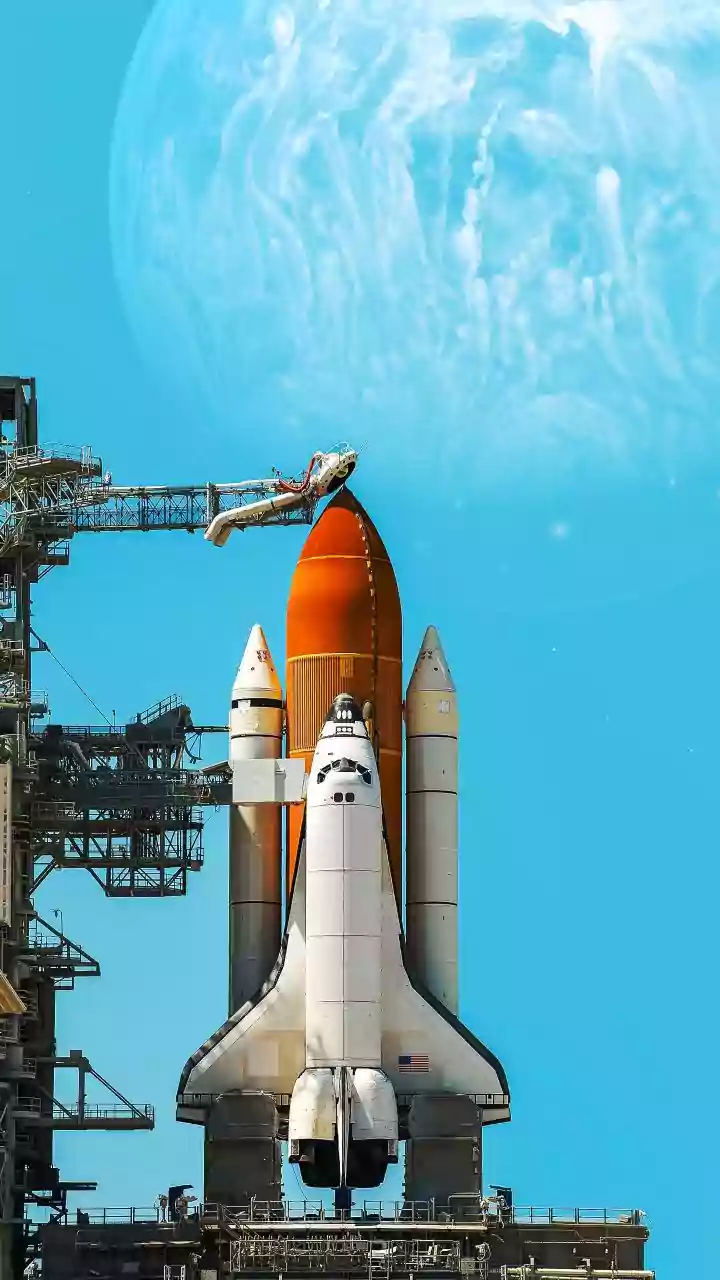
On July 14, 2026, Menon launched aboard a Soyuz spacecraft for his first spaceflight, an approximately eight-month mission to the International Space Station. He is serving as a flight engineer for Expeditions 74 and 75. While the ISS is a familiar destination for humanity, this mission is fundamentally about looking forward. The experiments Menon is conducting are not just about operating in low-Earth orbit; they are designed to solve problems that will arise when humans venture much farther, to the Moon and Mars, as part of NASA's Artemis program. His work aboard the station represents a crucial pivot from simply living in space to figuring out how to survive deep space, where the safety net of Earth is much farther away.
The Deep-Space Difference
Life support on the ISS is a modern marvel, but it relies on regular resupply missions from Earth. For a multi-year journey to Mars, that simply won't be possible. This is where the focus on deep-space life support comes in. The challenges are immense. Without Earth’s magnetic field and atmosphere, astronauts face significantly higher levels of space radiation, which can damage DNA and increase cancer risk. The complete self-sufficiency required for a Mars mission means every drop of water, every molecule of oxygen, and all waste must be recycled in a closed-loop system. Furthermore, medical emergencies that are manageable on Earth could be catastrophic millions of kilometres away, with communication delays of up to 20 minutes each way making real-time consultations impossible. These systems must be flawlessly reliable, autonomous, and robust enough to handle the unforeseen challenges of a years-long voyage.
Menon’s Focus: Medical Independence
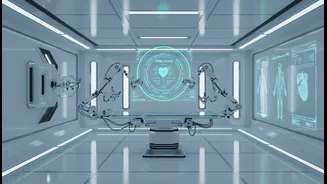
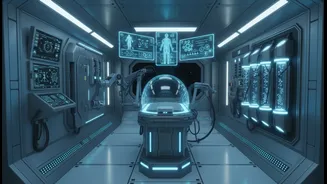
Menon’s work directly addresses this need for medical autonomy. With his background as a physician, he is perfectly positioned to lead experiments that will become the foundation of deep-space healthcare. A key experiment involves testing technology to produce intravenous (IV) fluids from the station's drinking water, a critical capability when medical supplies are finite. He is also using augmented reality and AI-assisted ultrasound, technologies designed to allow non-specialists to perform complex medical diagnostics without direct guidance from Earth. Another area of his research is bioprinting vascular tissue in microgravity, which not only helps scientists understand the aging process but could one day lead to regenerative therapies for astronauts on long missions. Each of these experiments is a building block for creating a self-sufficient medical system, reducing reliance on Earth and making long-duration missions safer.
A Vital Role for the Future
While rocket launches and spacewalks often capture the public imagination, the less glamorous work of developing life support is arguably more critical for the future of human exploration. Without reliable systems to provide breathable air, clean water, and urgent medical care, any mission to Mars would be impossible. Menon's shift in focus during his mission is not just a personal assignment; it reflects a broader strategic pivot by NASA. As the agency looks beyond the Moon with the Artemis program, the focus is increasingly on solving the fundamental challenges of keeping a crew healthy and productive for years at a time, far from home. For an astronaut with Menon's unique medical and engineering expertise, there is no more important role to play. His work on the ISS is laying the groundwork to ensure that when the next generation of explorers takes humanity's next giant leap, they have the support systems needed to survive the journey.