


The Air Turns 'Poor'
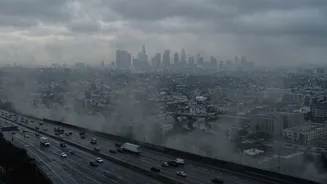
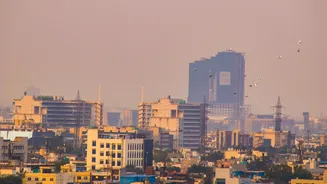
The seasonal shift in air quality has begun. On Wednesday, October 21, 2026, the Commission for Air Quality Management (CAQM) announced the immediate implementation of GRAP Stage 1 measures across the NCR. This decision was triggered after Delhi's average
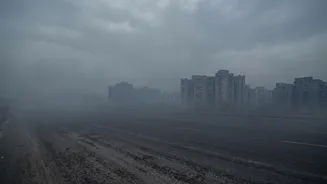
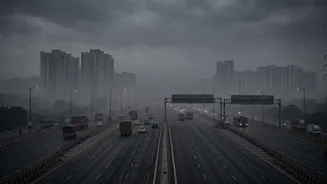
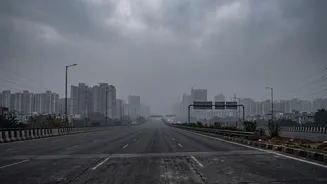
Air Quality Index (AQI) saw a sharp spike, jumping from a 'moderate' 179 on Tuesday to 244 by Wednesday afternoon, officially entering the 'poor' category. This marked the first 'poor' air day of the season. Forecasts from the India Meteorological Department (IMD) and the Indian Institute of Tropical Meteorology (IITM) predict that the air quality is likely to remain in the 'poor' range in the coming days, necessitating preemptive action.
What is GRAP?
The Graded Response Action Plan (GRAP) is an emergency response system designed to combat air pollution in Delhi-NCR. Think of it as a step-by-step instruction manual that activates increasingly stringent measures as the air quality deteriorates. Notified in 2017, it doesn't replace long-term pollution control efforts but serves as a way to prevent the air from getting even worse during pollution episodes. The plan is divided into four stages, each tied to a specific AQI bracket: Stage 1 ('Poor', AQI 201-300), Stage 2 ('Very Poor', AQI 301-400), Stage 3 ('Severe', AQI 401-450), and Stage 4 ('Severe+', AQI above 450).
The Rules Under Stage 1
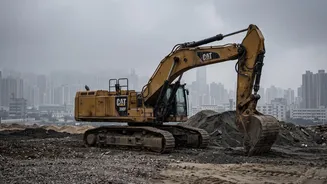
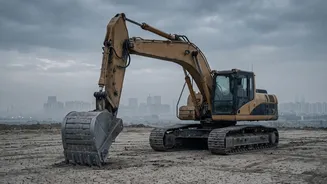
With Stage 1 now in effect, a series of targeted restrictions are being enforced across the region. A primary focus is on controlling dust pollution. This includes ensuring all construction and demolition sites strictly adhere to dust control norms, such as installing anti-smog guns and covering debris. Open burning of any kind of waste, including garbage and biomass, is strictly prohibited. For commercial establishments, the use of coal and firewood in tandoors at hotels, restaurants, and other eateries is banned. There are also curbs on the use of diesel generator sets, which are now permitted only for emergency and essential services. Authorities will also intensify mechanised sweeping and water sprinkling on roads to suppress dust.
Impact on Transport and Industry
The initial stage of GRAP also brings specific directives for transport and industry. Authorities have been instructed to ensure that only electric, CNG, or BS-VI diesel buses from neighbouring states are allowed to enter Delhi. There will be a crackdown on visibly polluting vehicles, which can be impounded or face heavy fines. The long-standing ban on diesel vehicles older than 10 years and petrol vehicles older than 15 years will be strictly enforced. While Stage 1 does not halt major industrial or construction activities, it serves as a warning shot, mandating polluting units to take all necessary precautions and adhere to emission norms.
Why Early Action Matters
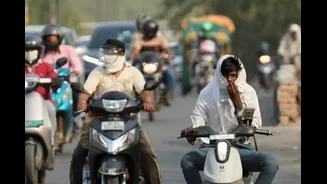
Invoking GRAP at the 'poor' stage is a proactive strategy. The goal is to curb pollution at its source before meteorological conditions, like lower temperatures and calmer winds, trap pollutants close to the ground and push the AQI into the 'severe' categories. Experts note that even 'poor' quality air can have health impacts, especially for vulnerable populations like children, the elderly, and those with respiratory conditions. These initial measures are designed to flatten the pollution curve, providing a buffer and hopefully reducing the need for more disruptive and economically impactful restrictions, such as the 'odd-even' vehicle scheme or bans on construction, which are part of later GRAP stages.