

The Route Debate: Shimla vs. Manali
The route you take is your first major safety decision. For an autumn trip, especially for first-timers, the Shimla-Kaza highway is highly recommended. This route involves a gradual ascent, allowing your body to acclimatise to the high altitude, which
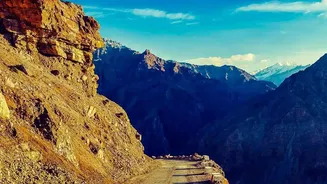
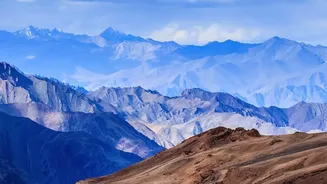
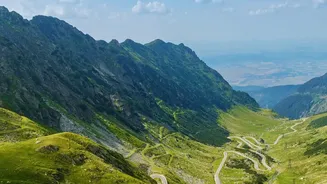
significantly reduces the risk of Acute Mountain Sickness (AMS). The journey is longer, taking 2-3 days to reach Kaza, but it’s a scenic and safer introduction to the cold desert. The Manali-Kaza route, while shorter, involves a rapid climb to high passes like Kunzum La (over 4,500 metres), which can trigger severe AMS. In autumn, particularly from mid-October onwards, the Manali route is also prone to early snowfall, making it unreliable. For a comprehensive experience, a circuit entering via Shimla and exiting via Manali (if road conditions permit) is ideal, but only if you have buffer days.
Respect the Altitude: Acclimatise Smartly
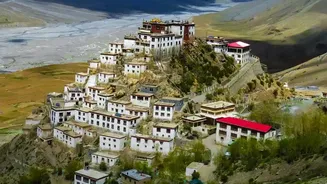
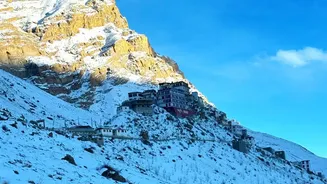
Acute Mountain Sickness is a real risk in Spiti, where Kaza itself sits at around 3,650 metres. The golden rule is to ascend slowly. Once you reach a high-altitude town like Kaza, rest for the first 24 hours. Avoid strenuous activity. Hydration is crucial; aim to drink 3-4 litres of water daily to help your blood carry oxygen more efficiently. Eat light, carbohydrate-rich meals and avoid alcohol, as it dehydrates you and can mask early AMS symptoms. A common mountaineering principle that applies here is 'climb high, sleep low'. You can take a short drive to a higher village like Key Monastery during the day, but return to a lower altitude for the night to help your body adjust. Listen to your body; if you experience persistent headaches, nausea, or dizziness, do not ascend further. If symptoms worsen, the only cure is immediate descent.
Vehicle Prep: Your Car is Your Lifeline
The remote and rugged terrain of Spiti demands a well-prepared vehicle. An SUV with high ground clearance is ideal, but even sedans and hatchbacks can make the journey with careful driving, especially on the Shimla route. Before you leave, get a thorough service. Pay special attention to the brakes, tyres, clutch, and coolant system. Ensure your tyres have ample tread. It's wise to carry a complete toolkit, a reliable puncture repair kit (and learn how to use it), a tow rope, and a tyre inflator. Given the sparse population and limited services, also carry extra fuel in a jerry can, as petrol pumps are few and far between. A clean air filter is essential for engine performance in the dusty conditions.
Driving Technique: Master the Mountain Roads
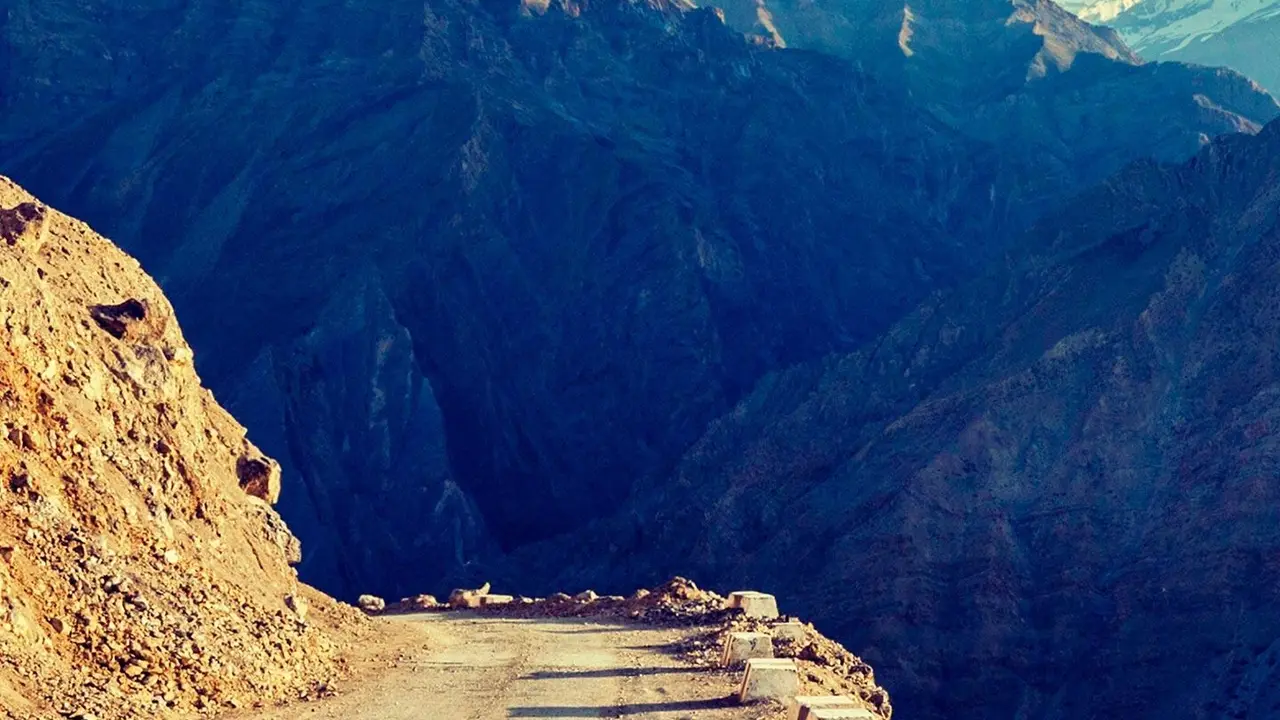
Autumn introduces a specific and dangerous hazard: black ice. This is a thin, transparent layer of ice that forms on the road, especially in shaded areas, during the cold mornings and evenings. It's nearly invisible and extremely slippery. Local police often issue advisories for it. Drive slowly, especially on turns and shaded patches, and avoid sudden braking. Start your driving day after the sun is up to allow any ice to melt, and aim to reach your destination before sunset. Roads are narrow with steep drop-offs, so maintain a steady, moderate speed and be courteous to oncoming traffic. Use lower gears for both uphill climbs and descents to maintain control and reduce brake fatigue.
Pack for All Seasons and Stay Prepared
In autumn, Spiti's weather is fickle. Sunny days can be pleasant, but temperatures plummet dramatically after sunset, often falling below freezing. Layering is the most effective way to dress. Pack thermal base layers, fleece jackets, and an insulated, windproof outer shell. Don't forget a warm cap, gloves, wool socks, and sturdy, comfortable shoes with good grip. The high-altitude sun is harsh, so sunscreen and lip balm are non-negotiable. Connectivity is patchy at best, with only BSNL and Jio offering limited service in main towns like Kaza. Download offline maps for your entire route. Carry a good first-aid kit with basic medicines for pain, fever, and stomach issues, along with any personal prescriptions. It's also wise to have a list of emergency contacts, including local police and hospital numbers, saved offline.