
1. Prepare Your Vehicle Before You Ride
Before the rains intensify, a thorough vehicle check is non-negotiable. Your tyres are the first line of defence against slippery roads. Ensure they have adequate tread depth, which is crucial for dispersing water and preventing aquaplaning. Worn-out
tyres lose their grip on wet surfaces, significantly increasing your risk of skidding. Also, maintain the manufacturer-recommended tyre pressure. Your braking system is equally vital. Wet roads increase stopping distances, so inspect your brake pads and cables for wear. If you hear any screeching sounds or feel reduced efficiency, get them replaced immediately. Finally, check that all your lights are functional — headlights, taillights, and indicators. Clear visibility is a two-way street; you need to see and be seen, especially during heavy downpours or in low-light conditions.
2. Master Defensive Riding Techniques
Riding in the rain demands a change in style from dry-weather cruising. The most important rule is to slow down. Speeding on wet roads drastically reduces your reaction time and makes the vehicle harder to control. The initial spell of rain can be the most dangerous, as it mixes with oil and dust on the road to create an exceptionally slippery film. Increase the following distance between you and the vehicle ahead to at least double what you would normally keep. This gives you more time and space to react to sudden stops. Avoid sudden movements, whether it's abrupt acceleration, harsh braking, or sharp turns. Smooth, deliberate inputs are key to maintaining traction and stability. When braking, apply both front and rear brakes gently and progressively to avoid locking the wheels.
3. Watch for Hidden Road Hazards
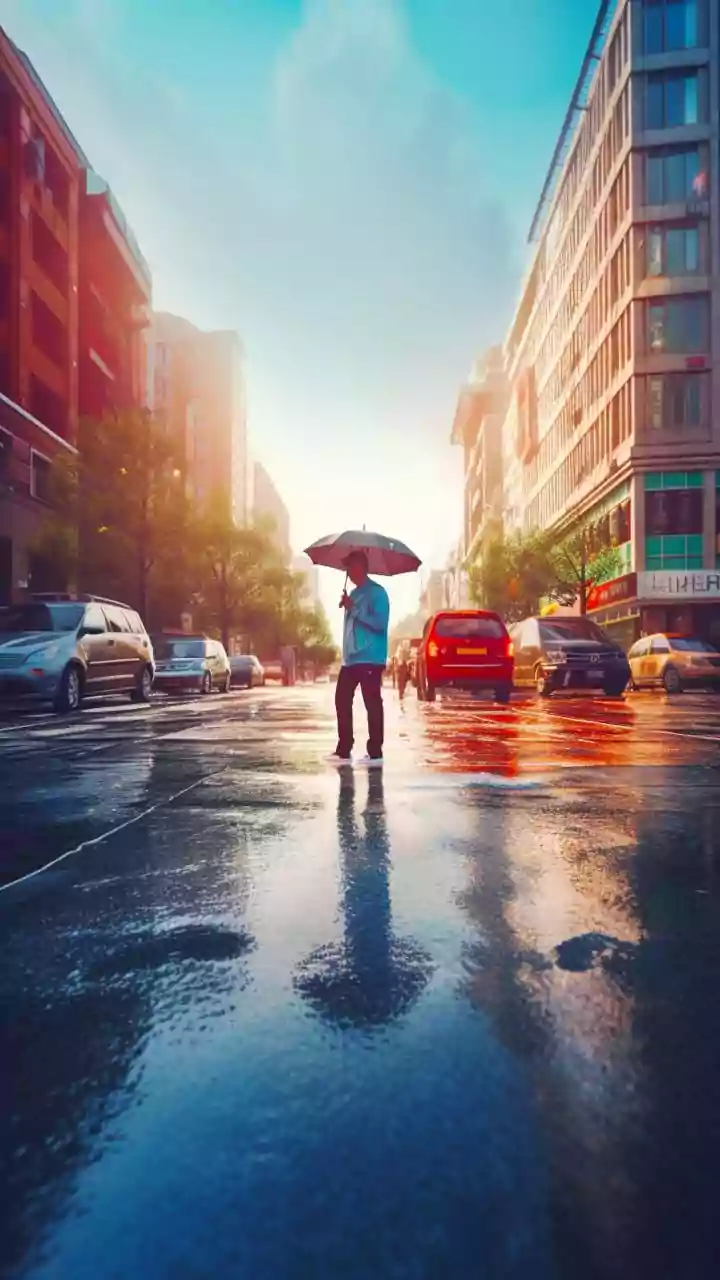
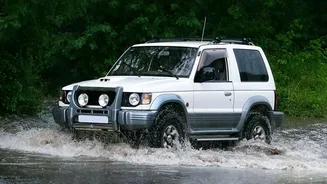
Monsoon rains transform familiar roads into obstacle courses. Potholes, which are a common issue, get filled with water and become invisible traps. A submerged pothole can cause you to lose balance or severely damage your vehicle. Be extremely cautious and try to remember the locations of major potholes on your regular routes. Waterlogged streets present another major challenge. It's impossible to judge the depth of the water or know what lies beneath — it could be a deep pothole or an open manhole. If you can, avoid flooded roads entirely. If you must cross a waterlogged patch, keep the throttle steady and avoid braking or accelerating suddenly. If the water seems deep, the safest option is often to find an alternative route or wait for it to recede.
4. Gear Up for Visibility and Protection
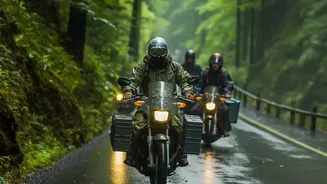
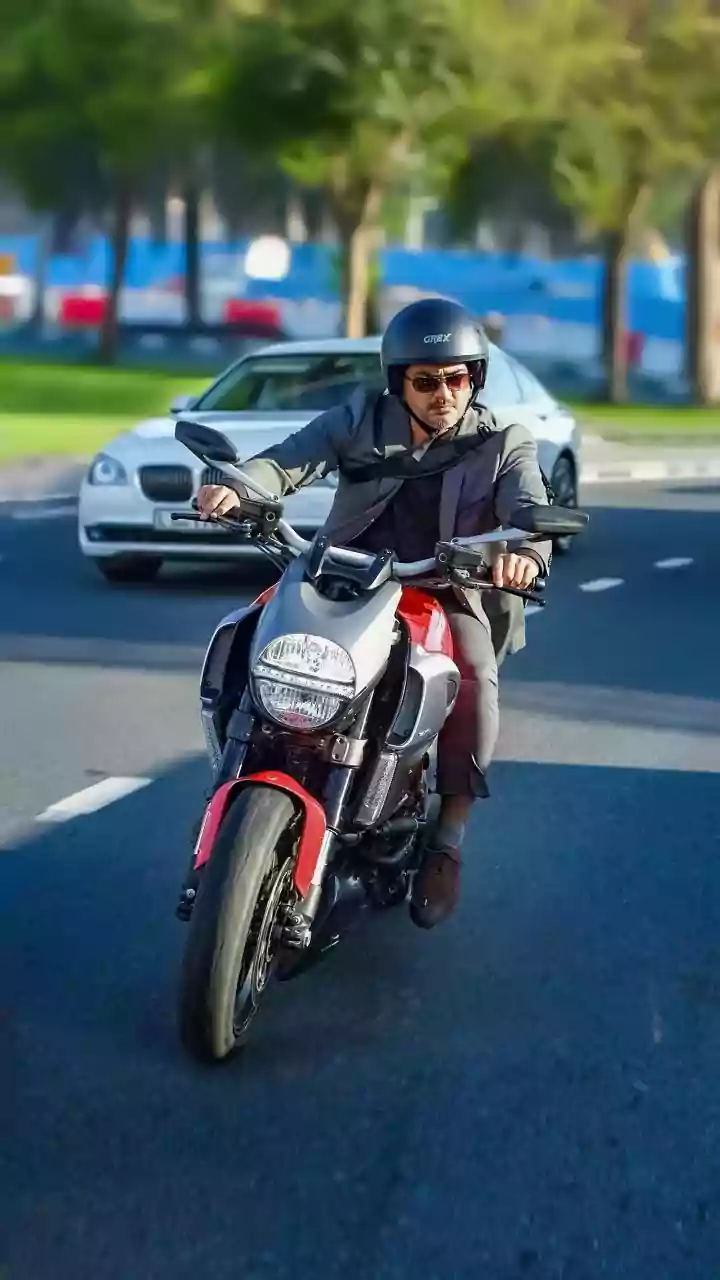
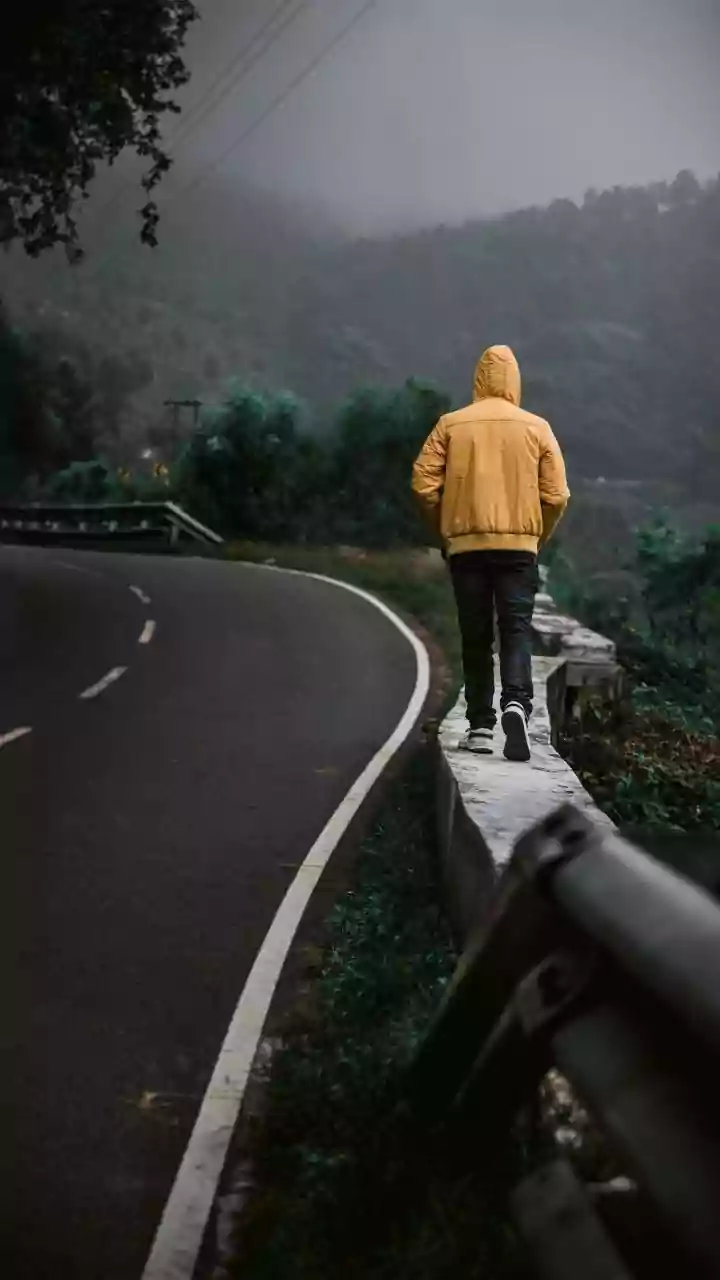
The right gear is essential for both comfort and safety during the monsoon. A high-quality waterproof jacket and pants will keep you dry, allowing you to focus on the road instead of shivering. For visibility, choose brightly coloured or reflective rainwear. Your helmet is the most critical piece of safety equipment. A full-face helmet offers the best protection. During the monsoon, a helmet with an anti-fog visor or a Pinlock insert is invaluable for maintaining clear vision. Fogged-up visors are a common and dangerous problem in humid, rainy conditions. Waterproof gloves with a textured palm will ensure you maintain a firm grip on the handlebars, while waterproof boots or shoe covers will keep your feet dry and prevent them from slipping off the pegs.
5. Prioritise Post-Ride Maintenance
Your job isn’t over once you’ve reached your destination. Taking a few minutes for post-ride care can save you from costly repairs down the line. Rainwater and road grime can cause rust and corrosion, especially on metal parts. Give your bike a quick rinse with clean water to wash away the mud and dirt, paying special attention to the undercarriage. The chain is particularly vulnerable to rust during the monsoon, as rain can wash away its lubrication. After cleaning, dry the chain and apply a coat of high-quality chain lubricant designed for wet conditions. This not only prevents rust but also ensures smooth operation. If possible, park your two-wheeler in a covered or dry area to protect it from continuous exposure to moisture.