


The Moon’s Unseen Danger
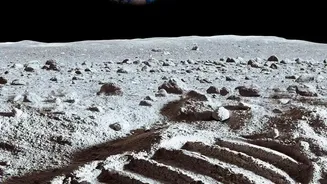
The lunar surface is a hostile environment. With no atmosphere and no global magnetic field, it is constantly bombarded by two types of dangerous radiation: galactic cosmic rays (GCRs) from deep space and intense bursts of solar energetic particles (SEPs)
from our own Sun. For a human crew, long-term exposure to this radiation is a critical health risk, capable of causing cellular damage and increasing the likelihood of cancer. A surface base would require heavy, cumbersome shielding, likely constructed from tons of lunar regolith (soil), a logistically difficult and expensive task. On the surface, astronauts would receive a radiation dose hundreds of times higher than on Earth, severely limiting the duration of their missions and posing a constant threat to their well-being.
Nature's Underground Shelter
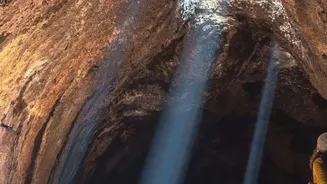
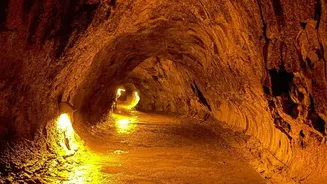
This is where lava tubes come in. These are vast, hollow caverns beneath the lunar surface, formed billions of years ago when the Moon was volcanically active. Rivers of molten lava flowed, and as the outer surface cooled and hardened, the molten rock inside continued to flow, eventually draining out to leave behind a hollow tunnel. Scientists believe some of these tubes could be enormous—hundreds of metres wide and many kilometres long, large enough to house entire cities. The thick roof of basalt rock, potentially over 40 metres thick, provides a natural and highly effective shield. Studies have shown that the radiation levels inside a horizontal lava tube could be reduced to less than 1 millisievert per year, a level comparable to the natural background radiation on Earth.
More Than Just Radiation Protection
Beyond shielding from radiation, these subterranean structures offer a remarkably stable environment. While the Moon's surface experiences wild temperature swings, from a scorching 127°C in daylight to a frigid -173°C at night, the temperature inside a lava tube remains nearly constant at around -20°C to -25°C. This stability dramatically reduces the engineering challenges for habitats, which would no longer need to endure constant thermal stress. Furthermore, the tubes provide protection from the relentless rain of micrometeorites that pepper the lunar surface, as well as from the abrasive lunar dust that can damage equipment and pose health risks to astronauts. This makes them prime real estate for future long-term lunar bases.
The Robotic Hunt for a New Home
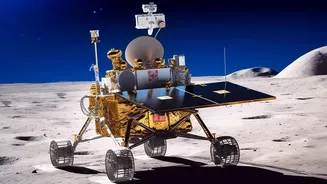
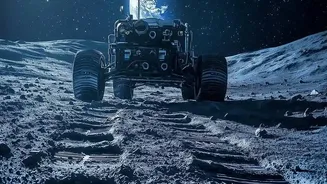
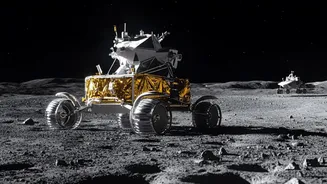
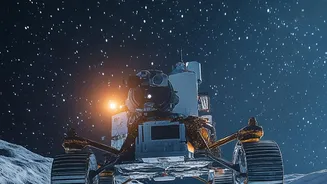
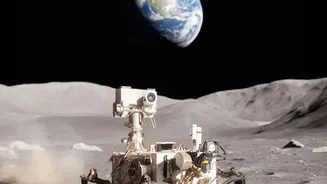
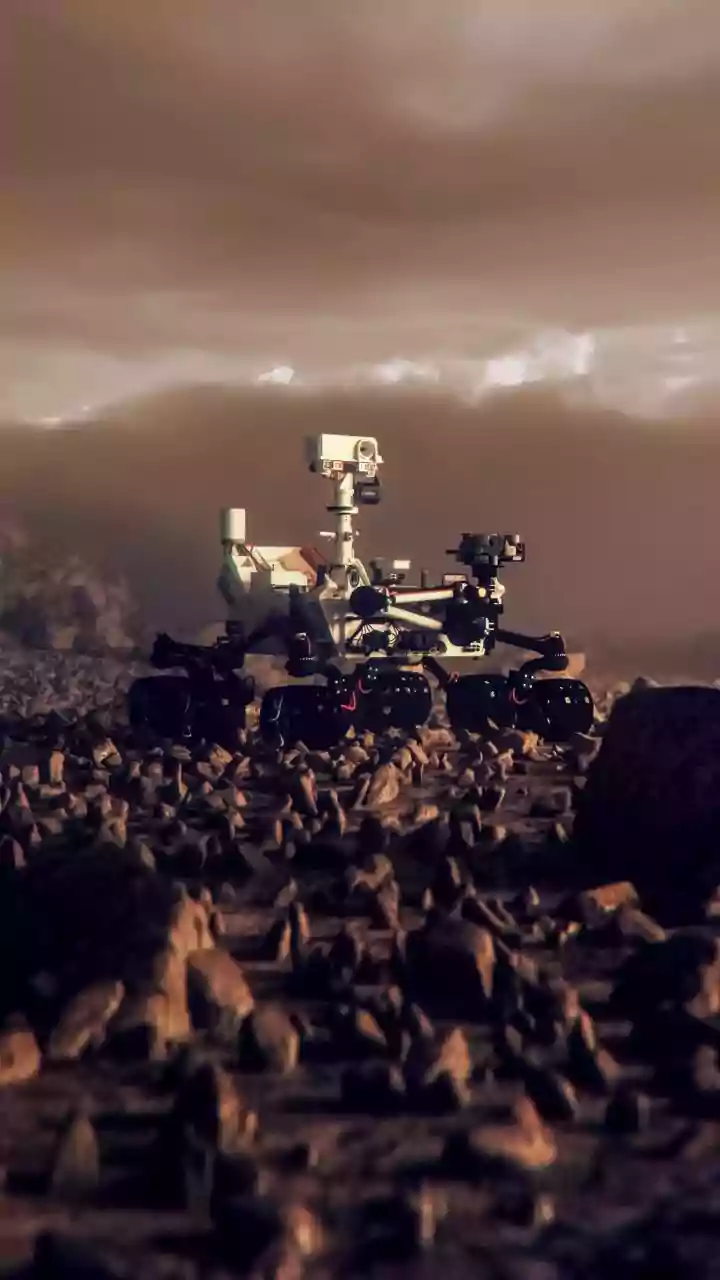
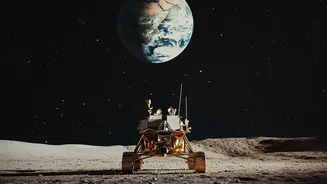
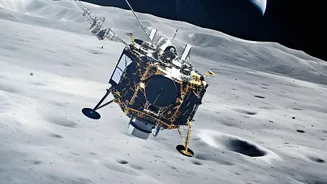
Finding and exploring these tubes is the critical next step. While no rover has entered a lava tube yet, the groundwork is well underway. Orbiters like NASA’s Lunar Reconnaissance Orbiter and Japan's Kaguya spacecraft have identified hundreds of pits on the lunar surface that are believed to be 'skylights'—collapsed sections of a lava tube’s roof that provide an entrance to the cavern below. To explore these promising sites, a new generation of robotic explorers is being developed. Missions are being designed that use teams of autonomous robots. For example, a European consortium is testing a three-robot system in the volcanic caves of Lanzarote, Spain, which mimics the lunar environment. One rover maps the entrance while another is lowered inside to create a 3D map of the subterranean world. Similarly, rovers like the German Aerospace Centre's SCOUT and the WOLF Rover are specifically designed with unique wheels and sensors to navigate the dark, uneven, and GPS-denied terrain inside these tunnels.
The Challenges of Subterranean Living
Despite the immense promise, significant challenges remain. First, rovers must safely descend through the skylight pits, which can be dozens of metres deep with unstable rubble at the bottom. Once inside, navigating in total darkness without GPS requires advanced autonomous mapping technology. Power generation is another hurdle; bases inside a tube would need to run cables up to solar panels on the surface or rely on other power sources. Before any humans venture in, the structural integrity of these ancient tubes must be thoroughly assessed by robotic scouts to ensure they are safe from collapse. These missions are not just about finding a cave; they are about proving that these primordial structures can serve as the foundation for humanity's sustained presence on the Moon.