






The Three Pillars of Soil Health
When we talk about 'soil health', we are referring to its capacity to function as a vital living system. Think of it like a three-legged stool. For it to be stable, all three legs must be strong. In soil, these legs are its chemical, physical, and biological
properties. For decades, much of the focus was on the chemical aspects, like providing nutrients through fertilisers. However, a truly healthy and resilient soil requires a balance across all three interconnected domains. If one aspect is compromised, the others are inevitably affected, impacting everything from crop yields to environmental quality.
The Chemical Foundation: A Balanced Diet
The chemical properties of soil are like a plant's diet. This includes the availability of essential nutrients like nitrogen, phosphorus, and potassium, as well as crucial micronutrients. A key factor here is the soil's pH level, which determines how easily plants can absorb these nutrients. Imbalanced fertiliser use, especially an over-reliance on certain types, can disrupt this delicate chemical balance, leading to nutrient deficiencies and even toxicity. In India, a significant portion of soil suffers from deficiencies in micronutrients and declining organic carbon, which is a vital chemical component that holds nutrients and water.
The Physical Structure: The House for Roots
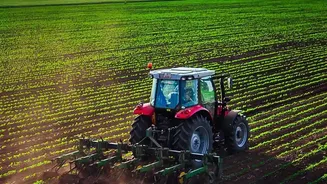
The physical characteristics of soil refer to its structure, texture, and density. Think of this as the house where plant roots live. A good physical structure has a crumbly texture with plenty of pore space, which allows air and water to move freely. This ensures roots can grow deep and breathe, while also enabling the soil to absorb and retain water effectively. When soil becomes compacted from heavy machinery or loses its structure due to erosion, it's like the walls of the house closing in. This makes it harder for water to infiltrate, increasing runoff and leaving plants vulnerable to both floods and droughts.
The Living Biology: The Underground Workforce
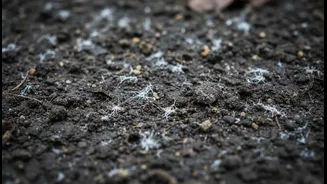
Often overlooked, the biological component is the bustling, invisible life within the soil. This includes a vast community of bacteria, fungi, earthworms, and other microorganisms. This underground workforce is responsible for critical tasks like decomposing organic matter, cycling nutrients to make them available for plants, and even suppressing diseases. Beneficial fungi can form symbiotic relationships with plant roots, extending their reach for water and nutrients. These living organisms are essential for creating good soil structure and are the engine of a fertile, functioning ecosystem. Without this vibrant biological community, soil is merely an inert medium.
An Integrated Approach for India's Future
The health of India’s soil is under significant pressure from degradation, with estimates suggesting nearly a third of the country's land is affected. Issues like erosion, which strips away fertile topsoil, and unsustainable practices have led to widespread nutrient imbalances and a decline in organic matter. Simply adding more chemical fertilisers to a biologically dead or physically compacted soil is inefficient; it's like trying to fill a leaky bucket. The path forward lies in sustainable and integrated soil management. Practices like crop rotation, using cover crops, reducing tillage, and adding organic matter can revive the soil's living component, improve its physical structure, and create a more balanced chemical environment, ensuring the land remains productive for generations to come.