



The Daily Discard Dilemma
If you maintain a sourdough starter, you know the routine. To keep the wild yeast and bacteria healthy and active, you must periodically 'feed' it with fresh flour and water. But before you feed it, you typically have to remove a portion to prevent the starter from
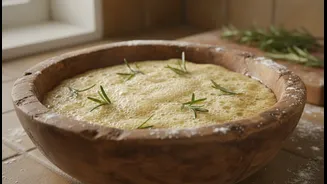
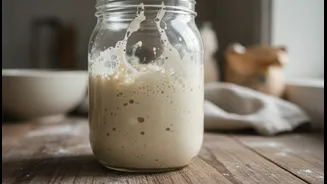
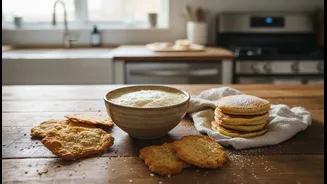
growing into an unmanageable quantity. This removed portion is known as 'discard'. While the name implies it should be tossed, it's a perfectly good and useful ingredient for baking. It contains all the same components as your active starter—flour, water, wild yeast, and beneficial bacteria—it just lacks the fresh burst of energy needed to leaven a traditional loaf of bread on its own. Thinking of it not as waste, but as an opportunity, is the first step toward a more sustainable and flavourful kitchen.
From Waste to Flavourful Wonder
Using your sourdough discard is a fantastic way to reduce food waste and make your baking habit more economical. But the benefits go far beyond sustainability. Sourdough discard adds a complex, tangy flavour to recipes that you simply can't get from other ingredients. This subtle acidity can balance sweetness in desserts and add a depth, almost like cheese, to savoury dishes. Depending on its age and how it's stored, the flavour can range from mild and gentle to distinctly sour and tangy. This versatility allows you to tailor the flavour profile of your creations. In recipes that use other leavening agents like baking soda or yeast, the discard contributes tenderness, moisture, and that signature fermented character without needing to be at its peak activity.
Delicious Savoury Creations
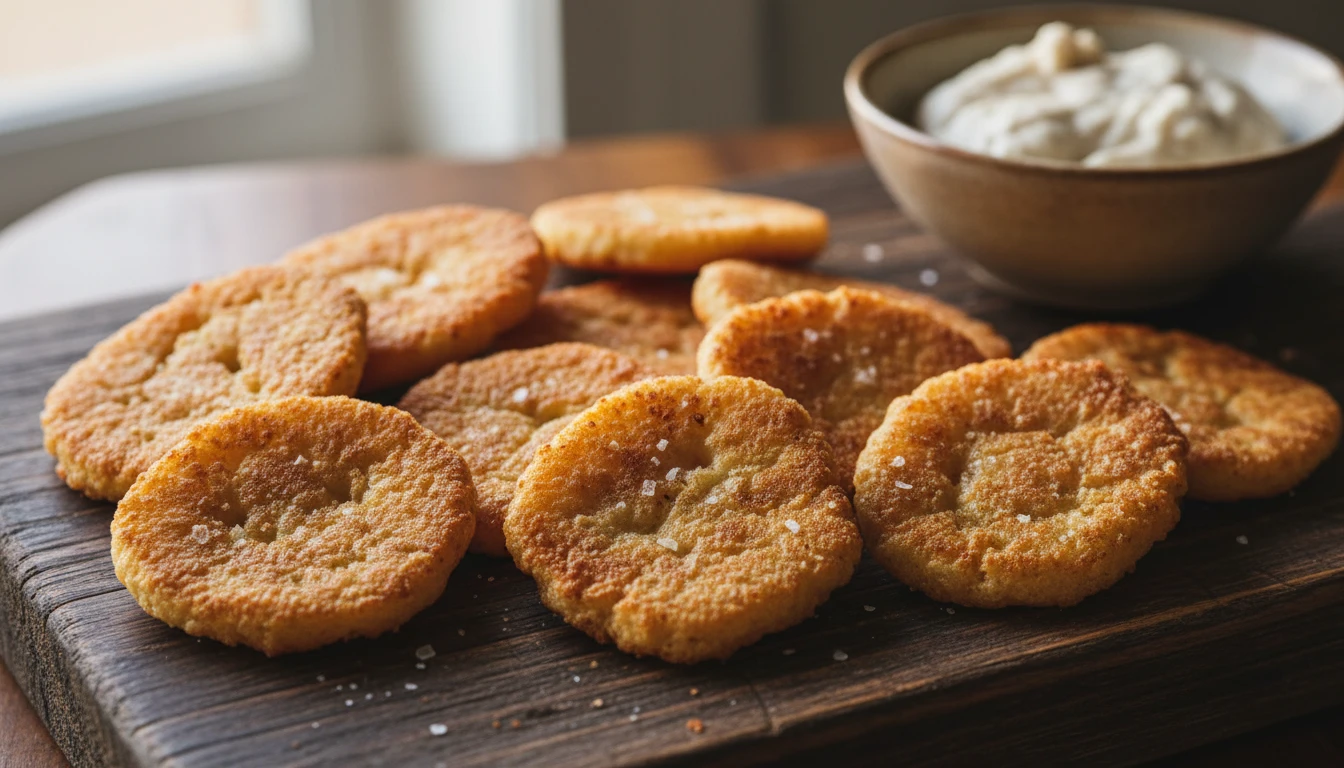
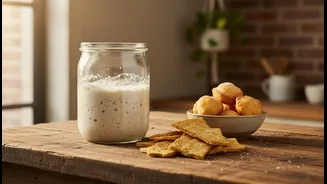
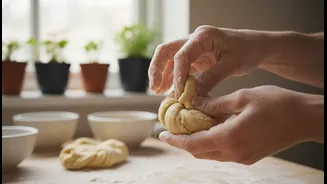
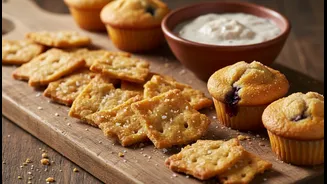
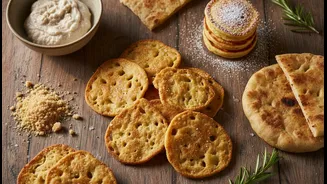
Some of the most popular uses for sourdough discard are savoury. Crispy, golden crackers are incredibly simple to make, requiring little more than discard, some fat like olive oil or butter, salt, and your favourite herbs or spices. They are a perfect vehicle for cheese and dips. Another easy and rewarding option is scallion pancakes or other types of flatbreads. The discard can also form the base of a flavourful pizza crust, giving it a chewy texture and tangy undertone that complements any topping. For a more adventurous project, you can incorporate discard into pasta dough, biscuit recipes, or even as a batter for fried chicken, adding a unique twist to classic comfort foods.
Sweet Treats and Breakfast Delights
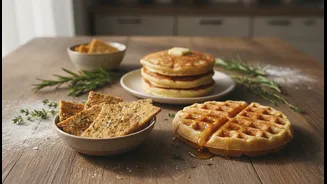
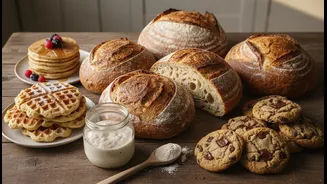
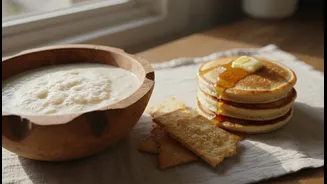
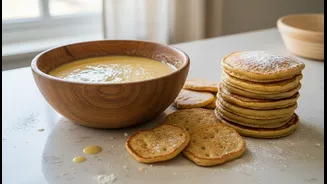
Discard truly shines in the world of sweets and breakfast foods. Pancakes and waffles are often the first things new bakers try, and for good reason—they are quick, easy, and incredibly delicious, with a slight tang that perfectly balances maple syrup. The acidity in the discard also helps create a tender crumb in muffins, quick breads like banana bread, and cakes. It can be added to cookie dough, particularly for chocolate chip or oatmeal cookies, to create a more complex and interesting flavour profile that cuts through the sweetness. From fudgy brownies to tender English muffins and even flaky pie crusts, sourdough discard is a versatile ingredient that can elevate nearly any sweet recipe.
Tips for Storing and Using Your Discard
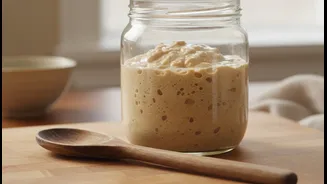
To make the most of your discard, proper storage is key. The easiest method is to keep it in a sealed jar in the refrigerator. You can add to this jar each time you feed your starter. Stored this way, it will last for about a week or two, though it will become progressively more sour over time. For longer-term storage, some bakers freeze their discard. Generally, fresher, milder discard is best for sweet recipes, while older, more sour discard can be used in savoury dishes where the tang is a welcome addition. Don't worry if a dark liquid, called 'hooch', forms on top; it's a normal byproduct of fermentation and can either be stirred back in or poured off. Just remember to only use discard that smells pleasantly sour or yeasty—if it develops mould or an off-putting odour, it's best to throw it out.