


The Fleeting Fame of Food Reels
Social media platforms have become the new tastemakers in India. A dish no longer needs a famous chef or a glowing magazine review to become a sensation; it just needs to be photogenic. This has led to a “camera eats first” culture, where restaurants
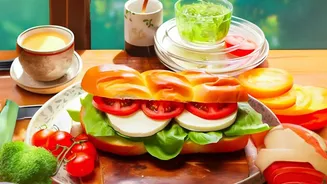
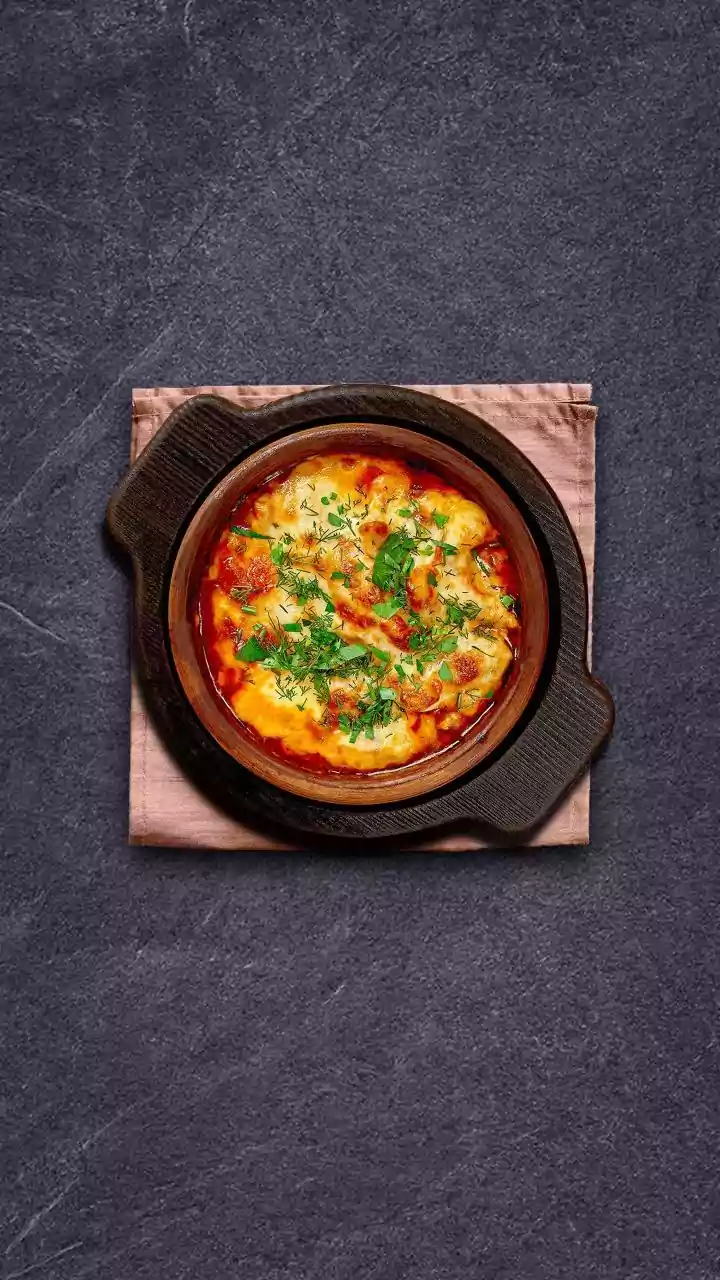
and street vendors design dishes for visual appeal—think dramatic cheese pulls, vibrant colours, and unusual presentations. These trends, from cheese-laden Maggi to experimental pani puri, spread rapidly, creating a nationwide buzz around a hyper-local creation. Yet, this fame is often fleeting. The videos are consumed passively, liked, and shared, but the experience is shallow. The viewer gets a glimpse of the food but misses the story, the context, and the cultural soul embedded within the dish. The trend moves on, and the dish is often forgotten as quickly as it appeared.
From Watching to Making
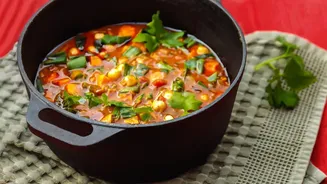
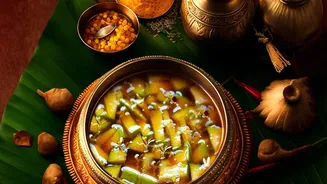
The real magic happens when you decide to stop scrolling and start cooking. Taking a viral recipe—whether it’s a regional delicacy or a clever fusion creation—and recreating it in your own kitchen transforms the entire experience. Cooking is an active, not passive, engagement. It forces you to get to know the ingredients, the techniques, and the patience required to bring a dish to life. Suddenly, a Bisi Bele Bath is not just a colourful rice dish on a screen; it’s a careful balance of rice, lentils, vegetables, and a specific masala blend that you measure and combine yourself. A home-cooked meal is a form of self-expression and creativity that provides a sense of accomplishment far greater than simply watching a video.
A Kitchen-Counter Cultural Education
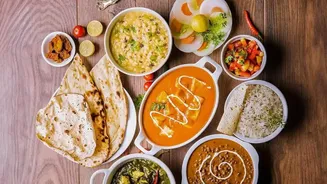
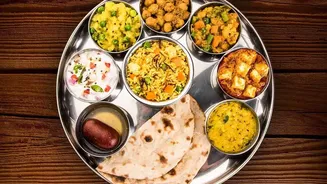
Every traditional recipe is a history lesson. It tells a story about a region’s climate, its agriculture, and the generations of people who have cooked it before you. When you decide to make a dish from a different part of the country, you’re not just following instructions; you are participating in its culture. You learn why certain spices are used, why a particular cooking method is preferred, and how simple, local ingredients can be turned into something extraordinary. This process fosters a deeper respect for India’s immense culinary diversity. Social media can sometimes flatten these rich traditions into a single, shareable aesthetic, but cooking them restores their unique identity. You begin to appreciate the subtle differences that make Chettinad cuisine fiery or Kashmiri Wazwan aromatic.
Forging a Personal Connection
Beyond the cultural education, cooking a dish for yourself or your family creates a personal memory. The meal becomes part of your own story. Food has always been deeply tied to love, care, and connection. Sharing a meal you’ve cooked is one of the most fundamental ways we bond with others. That viral dish you saw online is no longer just a trend; it's the centrepiece of a family dinner, a topic of conversation, and a flavour that will remind you of a specific time and place. This personal investment turns a fleeting digital phenomenon into a tangible, meaningful experience that nourishes both body and soul. The act of cooking breathes life and personal significance into what was once just content.