



The Strain of Popularity
The allure of places like Shimla, Manali, and Goa is undeniable, but their popularity has become a double-edged sword. This phenomenon, known as overtourism, occurs when the number of visitors exceeds a destination's capacity to cope. The result is all too
visible: crippling traffic jams snaking through mountain towns, overburdened infrastructure, and a strain on essential resources like water. In popular Himalayan states, tourism generates millions of tonnes of waste annually, a burden that local ecosystems were never meant to handle. This isn't just an inconvenience; it's a sign that these beloved locales are buckling under the pressure of unchecked commercial foot traffic.
More Than Just Footprints
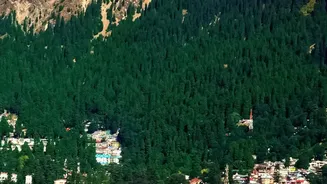
The environmental toll of overtourism goes far beyond crowded viewpoints. In fragile ecosystems like the Himalayas, the surge in visitors leads to soil erosion on trekking trails, deforestation to make way for hotels, and immense pressure on water resources. Coastal areas face their own battles, with plastic waste polluting pristine beaches and unregulated construction damaging natural barriers like mangroves and dunes. This pollution doesn't just spoil the view; it contaminates water sources and disrupts delicate habitats, harming wildlife and threatening biodiversity. The 'leave no trace' philosophy is no longer just a suggestion but an urgent necessity.
When Culture Becomes a Commodity
Beyond the environmental damage, heavy commercialization risks diluting the very culture that makes a destination unique. When local traditions are packaged into easily digestible, mass-market experiences, they can lose their authenticity. This can lead to what is known as 'tourism leakage', where profits flow to large, often non-local corporations, rather than the community members who are the true custodians of the local heritage. Ethical tourism, however, seeks to reverse this. It encourages genuine cultural exchange, where travellers can learn about local life respectfully through homestays, community-led workshops, and direct interaction, ensuring that traditions are preserved, not just performed.
Your Rupee, Your Vote for Preservation
Every travel decision is an economic one, and making conscious choices can directly empower local communities and promote conservation. When you choose to stay in a locally-owned homestay, hire a local guide, or buy handicrafts directly from artisans, your money stays within the community. This provides a powerful financial incentive for locals to protect their natural and cultural heritage. Supporting small, local businesses helps create sustainable livelihoods, reduces migration to cities, and fosters a sense of pride and ownership over the resources that attract visitors in the first place. In this way, your travel spending becomes a direct investment in the long-term health of the destination.
The Ethical Traveller's Playbook
Becoming an ethical tourist doesn't require grand gestures; it’s about a series of small, thoughtful actions. Start by carrying a reusable water bottle and a bag to minimize plastic waste. Choose homestays or eco-lodges that are committed to sustainable practices. When exploring, stick to marked trails to prevent erosion and respect wildlife by observing from a distance without feeding or disturbing them. Dress modestly, especially when visiting religious sites, and always ask for permission before photographing people. Engaging with a destination on its own terms, rather than demanding it conform to ours, leads to a much richer and more respectful travel experience for everyone involved.