

Understanding Shravan Eating
The holy month of Shravan, which in 2026 begins around July 30th for North India, is dedicated to Lord Shiva and involves fasting and dietary discipline. Many devotees adopt a 'Sattvic' diet, which emphasizes pure, light, and wholesome foods that are
easy to digest. This typically means avoiding meat, eggs, onions, and garlic, and focusing on fresh vegetables, fruits, dairy, and specific grains. This culinary practice aligns perfectly with the monsoon harvest, offering a natural opportunity to detoxify and eat seasonally.
The Glorious Gourds
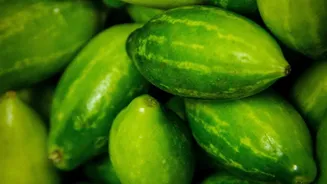
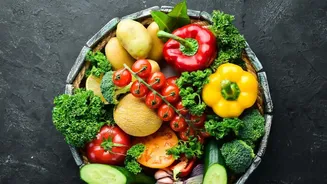
Monsoon is the season of gourds, and they form the backbone of Shravan cooking. Bottle gourd (lauki) is celebrated for its hydrating and cooling properties, making it a staple. Ridge gourd (tori), snake gourd (chichinda), and pointed gourd (parwal) are also abundant. These vegetables are incredibly versatile, lending themselves to simple curries, stir-fries, and soups. Their mild flavours are enhanced by gentle spices like cumin, turmeric, and coriander, cooked with rock salt (sendha namak) as is traditional for fasting foods.
Vibrant Root Vegetables and More
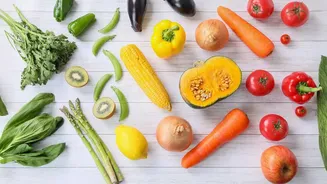
Root vegetables provide essential energy during fasting periods. Potatoes, sweet potatoes (ratali), and taro root (arbi) are widely permitted and used to make comforting and filling dishes. Boiled sweet potato is a classic fasting food, often enjoyed with just a squeeze of lemon and a sprinkle of rock salt. Beyond roots, corn (bhutta) is a monsoon favourite, often roasted and enjoyed as a snack. Cucumber (kakadi) offers a refreshing, hydrating crunch, perfect for salads or raita. Pumpkin is another versatile vegetable used in both savoury dishes and sweet preparations.
An Abundance of Seasonal Fruits
Fruits are a cornerstone of the Shravan diet, providing natural sugars, vitamins, and hydration. The monsoon markets are filled with a colourful array of options. Juicy plums and peaches make their appearance, alongside tangy jamuns (Indian blackberry) and sweet litchis. Pears, apples, and pomegranates are also excellent choices. These can be eaten fresh, added to fruit salads, or blended into smoothies with yogurt for a fulfilling and refreshing meal or snack that adheres to fasting principles.
Fasting Grains and Flours
While regular grains like wheat and rice are often avoided, Shravan has its own special pantry of flours and pseudo-grains. Sabudana (tapioca pearls) is a fasting superstar, used to make khichdi, vadas, and kheer. Flours made from amaranth (rajgira), water chestnut (singhara), and buckwheat (kuttu) are used to prepare puris, parathas, and cheelas. Barnyard millet (samak rice) serves as a popular substitute for rice, perfect for making pulao or a simple steamed side dish.
Nuts, Seeds and Dairy
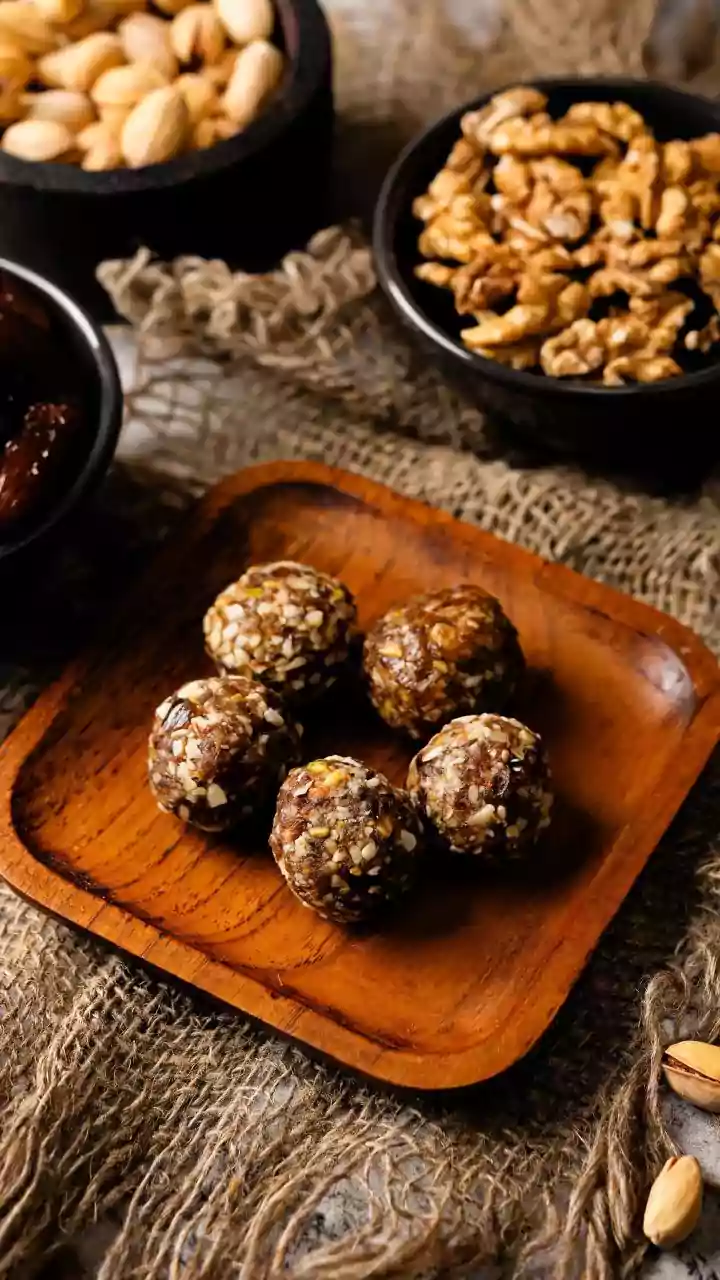
To ensure meals are satisfying and nutritious, nuts and seeds play a vital role. Almonds, walnuts, and cashews provide healthy fats and protein. Makhana (fox nuts) are a light, crunchy, and popular snack, often roasted with a little ghee and rock salt. Dairy products like milk, curd (yogurt), and paneer are also central to the Shravan diet, offering protein and calcium. A simple bowl of curd or a glass of buttermilk can be incredibly refreshing and balancing during this period.