
Croatia's dazzling coastline is no secret, but its fame comes at a cost. Certain hotspots are now synonymous with overwhelming crowds and inflated prices. To truly experience Croatia's charm, sometimes you have to look beyond the obvious.
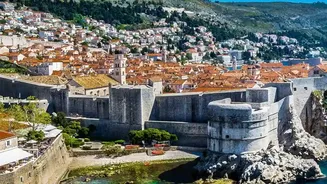
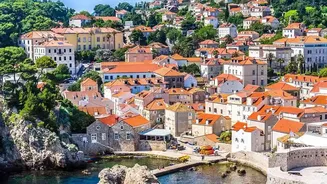
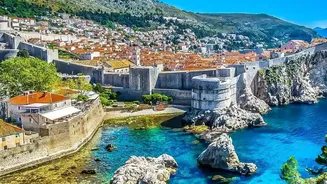
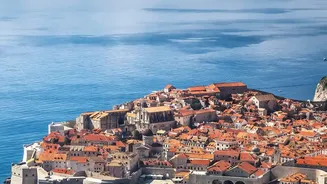
The Overrated Spot: Dubrovnik's Old Town
Known for its
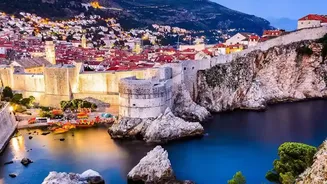
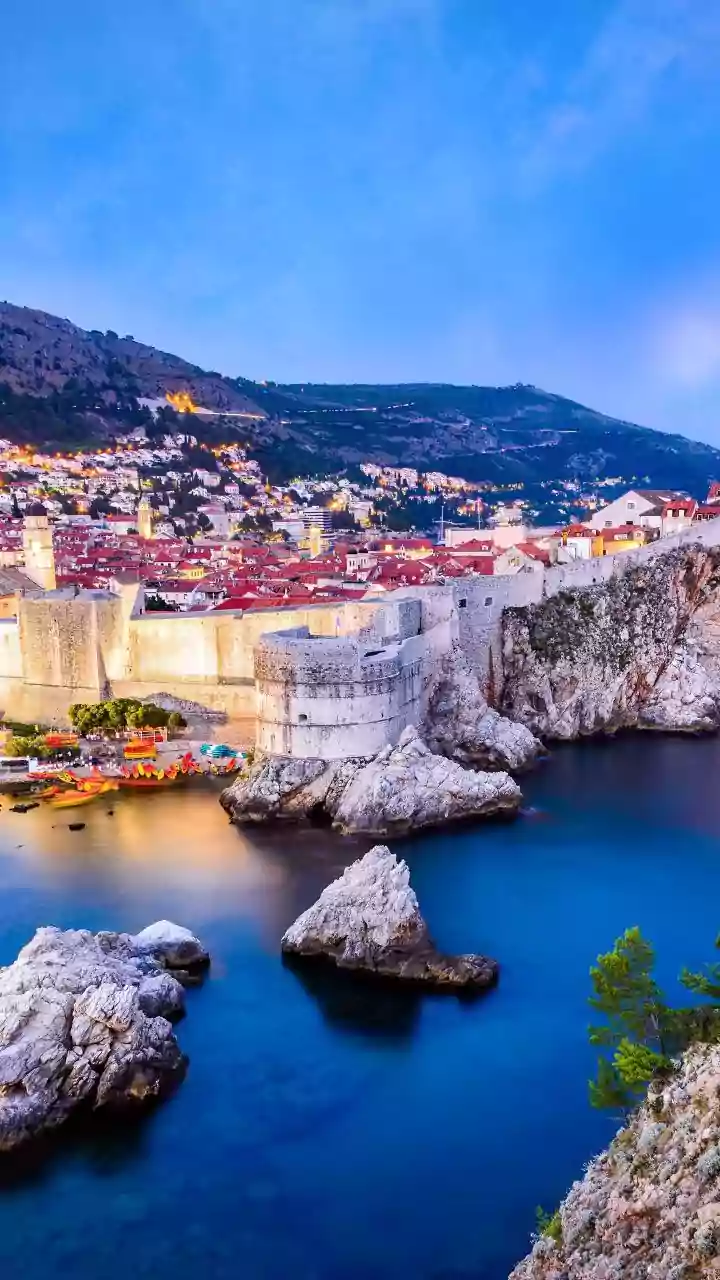
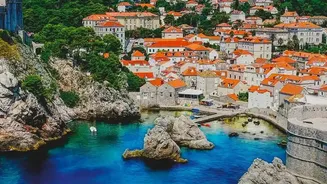
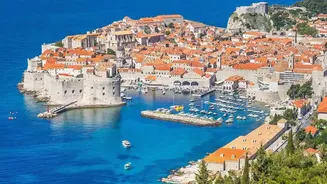
magnificent medieval walls and historic architecture, Dubrovnik is undeniably stunning. However, its popularity, amplified by its use as a major filming location, has led to what many call 'overtourism'. During peak season, the narrow limestone streets become choked with tour groups, and the experience of walking the city walls can feel more like a queue than a historic stroll. Restaurants lining the main squares and offering harbour views are notorious for their high prices, catering almost exclusively to the tourist influx with menus that can be double the price of those found just a few streets away.
The Smarter Alternative: Šibenik or Zadar
For a similar vibe of a historic stone city by the sea, consider Šibenik. It's the only city in Croatia with two UNESCO World Heritage sites, including the incredible St. James Cathedral, yet it feels like a lived-in town rather than a tourist museum. You can get lost in its steep, quiet alleys and find authentic 'konobas' (taverns) serving fresh, local seafood at a fraction of Dubrovnik's prices. Alternatively, Zadar offers a fascinating blend of ancient Roman ruins and modern art installations like the Sea Organ, with a vibrant local atmosphere and what Alfred Hitchcock once called the world's most beautiful sunset.
The Overrated Spot: Hvar Town's Party Scene
Hvar has earned a reputation as Croatia's premier party island, attracting a jet-set crowd to its glamorous bars and clubs. This comes with a hefty price tag. Accommodation, drinks, and even basic meals in Hvar Town can be exorbitant, making it one of the most expensive destinations in the country. While the nightlife is vibrant, the focus on high-end tourism means you often pay a premium for experiences that can be found elsewhere for much less. Unless you're specifically seeking this pricey party atmosphere, the island's true charm can be overshadowed.
The Smarter Alternative: Vis or Korčula Island
The island of Vis offers an antidote to Hvar's scene. As a former Yugoslav military base closed to foreigners until 1989, it has retained a rugged authenticity that many other islands have lost. Its beaches, like the world-famous Stiniva, are spectacular, and its food scene is celebrated for its genuine local character and significantly lower prices. For a dose of history, Korčula Town, often called 'Little Dubrovnik', provides a stunning, fortified medieval town with beautiful beaches and local vineyards, offering a more relaxed and affordable island escape.
The Overrated Spot: Plitvice Lakes in Peak Summer
Plitvice Lakes National Park is a natural wonder of cascading turquoise lakes and waterfalls. It is, without a doubt, breathtaking. However, visiting in July or August can be a lesson in frustration. The narrow wooden boardwalks that wind through the park become incredibly congested, turning a serene walk in nature into a slow, crowded shuffle. The experience can feel stressful, with long waits for the park's ferries and buses, and it's hard to capture the magic when surrounded by thousands of other people.
The Smarter Alternative: Krka National Park or Shoulder Season Travel
While also popular, Krka National Park can sometimes be a less crowded alternative. It offers beautiful waterfalls and, in some designated areas, the chance to swim near the cascades, which is forbidden at Plitvice. For a more peaceful experience, explore the park's less-visited areas like Roški Slap. The ultimate strategy for Plitvice, however, is to visit during the 'shoulder seasons' of May, June, or September. The weather is still beautiful, but the crowds are much thinner, allowing you to experience the park's majesty in relative peace. Arriving very early or late in the day can also help you avoid the tour bus rush.
The Overrated Spot: Rovinj's Main Drags
The Istrian peninsula's star, Rovinj, is a fairytale-like fishing town with colourful houses and cobblestone streets. Its beauty has made it immensely popular and, consequently, expensive. The main streets and waterfront are lined with tourist-focused shops selling generic souvenirs and restaurants with premium pricing. While picturesque, it can feel like a bit of a tourist trap, and finding an authentic, affordable meal requires steering clear of the most obvious spots.
The Smarter Alternative: Istria's Hilltop Towns
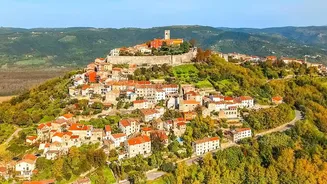
To find the true soul of Istria, head inland to its enchanting hilltop towns. Motovun, perched dramatically over a valley, is famous for its truffles and historic walls. Grožnjan is a tiny, impossibly quaint 'village of artists', with galleries and studios tucked into ancient stone houses. These towns offer a more authentic atmosphere, stunning views, and family-run 'konobas' where you can savour regional specialties like truffle pasta and local wines at a much more reasonable price. Coastal alternatives like Novigrad also offer a quieter, more local feel.
The Overrated Spot: Split's Palace Peristyle
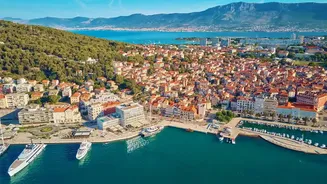
Diocletian's Palace, the living heart of Split, is a magnificent UNESCO World Heritage site. Its central square, the Peristyle, is the main draw. This also makes it the epicentre of congestion, especially when cruise ships are in port. The cafes here charge a premium for the location, and the sheer volume of people can make it difficult to appreciate the Roman architecture. The experience can feel overwhelming, with much of the palace's ancient charm lost in the shuffle.
The Smarter Alternative: Trogir or Split's Other Neighborhoods
Just a short trip from Split lies Trogir, another UNESCO-listed town. This tiny island-town is packed with stunning Renaissance and Baroque architecture and offers a much more relaxed and intimate atmosphere. Within Split itself, simply wandering away from the Peristyle into the Varoš or Radunica neighborhoods will lead you to quieter squares and more affordable, family-run restaurants. Here, you can enjoy the historic setting without the suffocating crowds and inflated bills of the main tourist corridor.