






Emotional Intelligence and Empathy
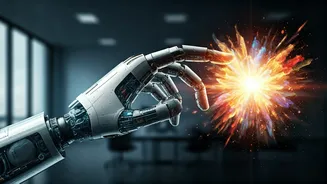
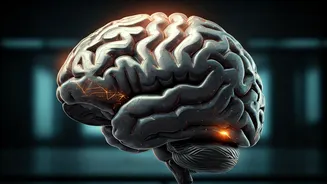
Perhaps the most significant differentiator between human and artificial intelligence is the ability to genuinely understand and navigate emotion. Emotional intelligence (EQ) is the capacity to recognize your own feelings and those of others, build trust,
and manage relationships. While an AI can be trained to recognize emotional patterns in text or voice, it doesn't actually 'feel' or 'understand' the human experience behind those patterns. This skill is critical in roles that depend on building rapport, such as leadership, sales, nursing, and counseling. True empathy—the ability to share and understand another's feelings—allows for nuanced communication and connection that machines cannot currently simulate with authenticity. It's what enables a manager to motivate a struggling team member or a doctor to deliver difficult news with compassion, skills that are fundamental to effective human interaction.
Complex Problem-Solving and Critical Judgment
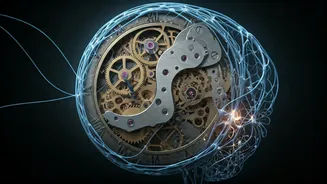
AI is a powerful tool for analyzing vast datasets to find patterns and solutions within clearly defined parameters. However, it struggles in ambiguous situations that lack historical data or have no clear right or wrong answer. This is where human critical thinking and judgment become essential. Professionals are often required to solve problems that involve ethical gray areas, incomplete information, and competing stakeholder interests. They must weigh context, apply moral reasoning, and make judgment calls that go beyond mere data processing. For example, while an AI can optimize a supply chain, it can't decide whether to prioritize a long-term supplier relationship over a short-term cost saving during a crisis. That requires a level of strategic, context-aware judgment that remains a human advantage.
Genuine Creativity and Originality
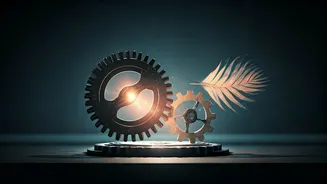
Generative AI can produce impressive creative outputs, from text to images, by recombining patterns from its training data. However, this is different from true human creativity, which often involves challenging assumptions, taking imaginative risks, and generating genuinely new ideas. AI is excellent at pattern recognition but struggles with creating something truly novel that breaks from existing data. Research has shown that while AI can improve the quality of individual ideas, it can also lead to more homogenous thinking across groups. True innovation often comes from unique lived experiences, flashes of insight, and the ability to connect seemingly unrelated concepts—a chaotic and deeply human process that AI cannot easily replicate. This skill is vital for entrepreneurs, artists, brand strategists, and anyone whose role involves dreaming up what's next.
Leadership and Interpersonal Influence
Effective leadership is about much more than just assigning tasks and monitoring progress. It involves inspiring and motivating people, resolving conflicts, and building a cohesive team culture. These are deeply social and emotional skills that AI struggles to replicate. While AI can assist with administrative aspects of management, it cannot build the personal trust and relationships that are the bedrock of great leadership. The ability to read a room, navigate complex office politics, mentor a junior colleague, and unite a team around a shared vision are all dependent on a nuanced understanding of human dynamics. As routine tasks become more automated, the leader's role as a motivator, coach, and culture-builder becomes even more critical and valuable.