
Why Vague Labels Fail You
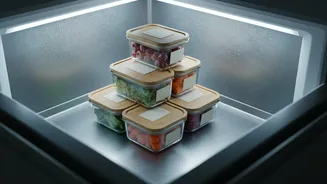
An unlabelled or poorly labelled container in the freezer is more than just a minor inconvenience; it's a direct path to food waste and potential disappointment. When you can't confidently identify what's inside, you're less likely to use it. This leads
to forgotten meals that eventually suffer from freezer burn, losing their flavour and texture until they are fit only for the bin. Beyond waste, there's a food safety component. Knowing when a dish was frozen is critical for determining if it's still at its best quality and safe to eat. Relying on memory is a losing game. A clear, simple system is your best defence against turning your freezer into a graveyard of unidentifiable meals.
The Anatomy of a Perfect Label
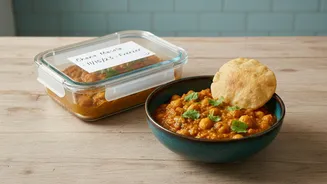
To make a label truly effective, it needs to provide clear information at a glance. Think of it as a brief, essential passport for your food. At a bare minimum, every single item you freeze should be labelled with two key details: the name of the dish and the date it was frozen. Be specific with the name — 'Chicken Curry' is good, but 'Spicy Chettinad Chicken Curry' is better, especially if you have multiple versions. The date is non-negotiable. It tells you how long the item has been stored and helps you practice the 'First-In, First-Out' (FIFO) method, ensuring you use older items first to keep your freezer inventory fresh and rotating.
Level Up With More Details
Once you've mastered the basics of name and date, consider adding extra details that will make your life even easier during a busy week. A 'Use-By' date can be incredibly helpful, acting as a prompt to consume the food while its quality is still at its peak. For most home-cooked meals, this is typically three to four months. You can also add reheating instructions ('Thaw overnight, then heat in a pan') or portion information ('Serves 2'). If anyone in your household has allergies, including a note like 'Contains nuts' or 'Dairy-free' is a crucial safety measure. These extra seconds of effort when packing pay huge dividends when it's time to prepare a quick meal.
The Best Tools for the Job
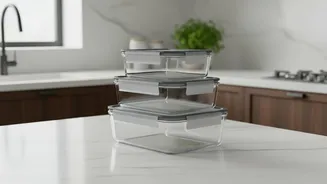
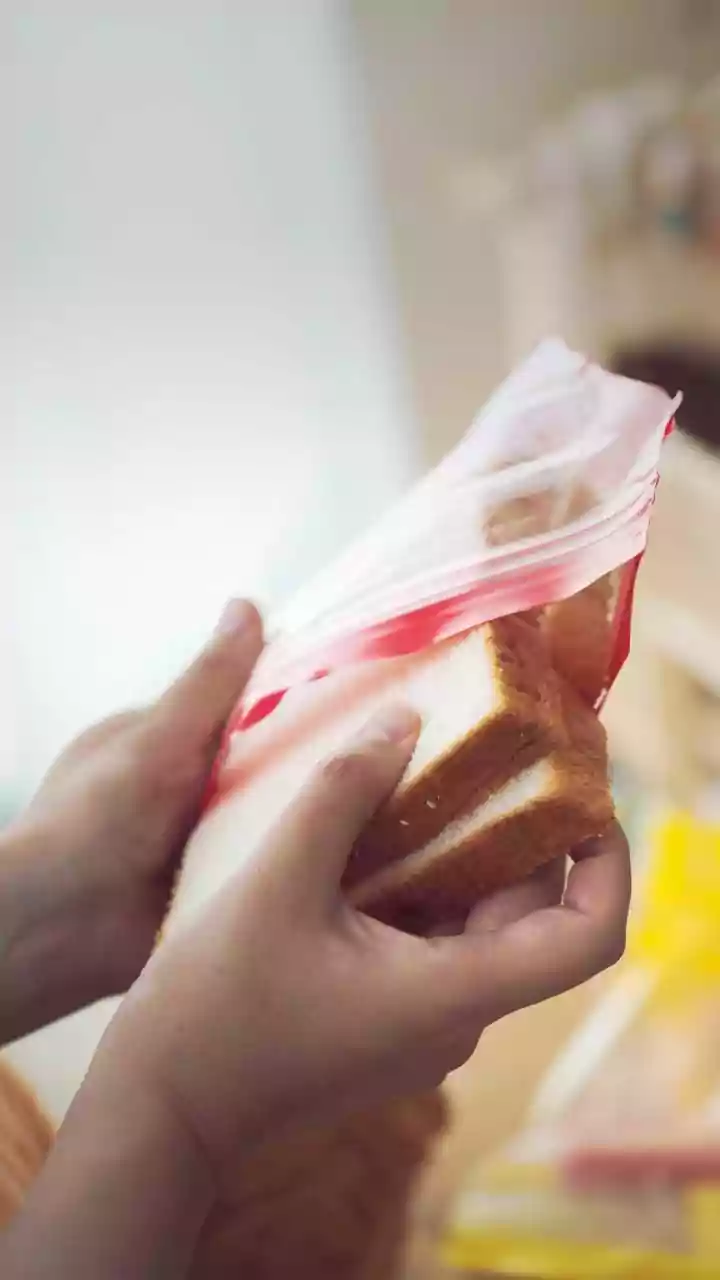
Your labelling system is only as good as the tools you use. Regular pens can smudge, and standard paper labels can peel off in the cold, damp environment of a freezer. A permanent marker is an excellent starting point. For labeling bags or disposable containers, many people find that simple masking tape works surprisingly well; it's inexpensive and stays put in the cold but peels off easily. For reusable containers, consider investing in freezer-specific labels. These are made with special adhesives designed to withstand low temperatures and moisture. Options range from removable labels that peel off without residue to dissolvable ones that wash away cleanly in the sink, preventing a build-up of sticky residue on your favourite containers.
Create a System That Sticks
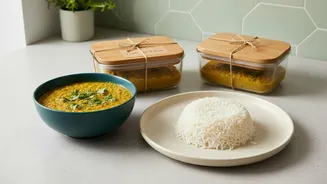
The key to successful freezer organisation isn't just the label itself, but integrating it into a consistent habit. Make labelling part of the process of storing leftovers or batch-cooked meals. Keep your chosen labels and a marker in a convenient spot right near where you pack food for the freezer. Take it a step further by organising your freezer into zones: one area for dals and curries, another for vegetables, and a third for meats. This, combined with the FIFO method where you place new items at the back and move older items forward, transforms your freezer from a chaotic ice box into a highly efficient, money-saving extension of your pantry. This systematic approach ensures that food is used efficiently, tastes better, and is always safe to eat.