




The Star of the Show: The Humble Hibiscus
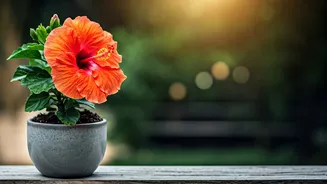
The perfect tropical beauty for Indian homes, big or small, is the hibiscus. Known as 'gudhal' (गुड़हल) and a familiar sight in gardens and temples, this plant is a powerhouse of blooms. While traditional varieties can grow into large shrubs, a fantastic
range of dwarf and hybrid hibiscus plants are perfectly suited for container gardening. These compact versions offer the same breathtaking flowers—in shades of fiery red, sunny yellow, delicate pink, and vibrant orange—on a plant that stays manageable, often growing no more than two to three feet tall. They are ideal for urban gardeners who want maximum impact in minimum space, thriving on balconies and terraces where they can soak up the sun.
Finding the Right Pot and Soil
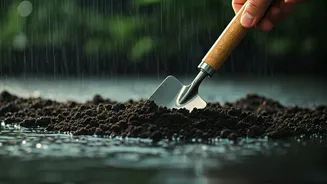
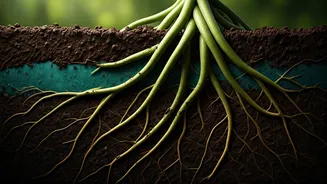
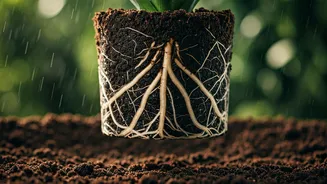
Success starts from the ground up. Hibiscus plants prefer a slightly snug pot, as being a little root-bound can encourage more flowering. For a new dwarf plant, a 10- to 12-inch pot is an excellent starting point. The most crucial feature is a drainage hole at the bottom; hibiscus hates having 'wet feet' and is prone to root rot in soggy soil. The ideal soil mix should be light and well-draining yet able to retain some moisture. A simple and effective mix for Indian climates is 40% garden soil, 30% compost or vermicompost, and 20% cocopeat, with the final 10% being sand to improve drainage. This ensures the roots have room to breathe while getting the nutrients they need.
A Place in the Sun
Hibiscus is a sun-worshipper. To produce those glorious, large flowers, it needs at least five to six hours of direct sunlight every day. An east or south-facing balcony is a jackpot location, providing ample morning or all-day sun. While the plant is well-suited to the Indian climate, the harsh afternoon sun during peak summer, especially in hotter regions, can scorch the leaves. If you notice leaf burn, consider moving the pot to a spot where it gets some afternoon shade or using a green shade net to filter the intense rays. Insufficient light is a common reason for a hibiscus plant to stop flowering, so ensuring it gets enough sun is non-negotiable for a bloom-filled season.
Watering and Feeding for Abundant Blooms
Watering is a balancing act. The rule of thumb is to water when the top inch of the soil feels dry. During hot Indian summers, a potted hibiscus might need watering every day. In the monsoon or cooler winter months, you'll need to reduce the frequency significantly. Always water thoroughly until you see it run out of the drainage hole, then discard any excess water from the saucer. When it comes to feeding, hibiscus is a hungry plant, especially during its growing season. It thrives on a fertilizer that is high in potassium (the 'K' in N-P-K) but low in phosphorus (P). Many 'superbloom' fertilizers are high in phosphorus, which can actually hinder nutrient absorption in hibiscus. Feed your plant every 15-20 days with a balanced, water-soluble fertilizer or use organic options like compost tea or a diluted seaweed extract for a steady supply of essential micro-nutrients.
Pruning and Pest Management
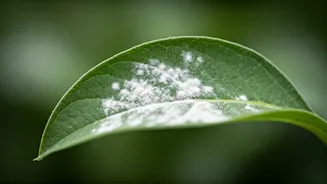
Light, regular pruning encourages a bushier plant and more flowers. After a flower has faded, pinch it off (a practice called deadheading) to stop the plant from putting energy into seed production. If your plant gets a bit leggy, don't be afraid to trim the branches back by a few inches to encourage new, fuller growth. When it comes to pests, the most common culprits are mealybugs, aphids, and spider mites. Often, a strong jet of water is enough to dislodge them. For more persistent issues, a simple spray of neem oil solution is an effective and organic first line of defense. Regular inspection of the undersides of leaves will help you catch any potential infestations before they become a major problem.