
Embrace the Monsoon Magic
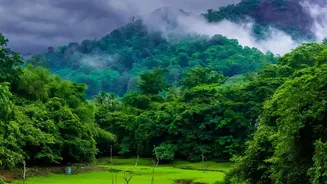
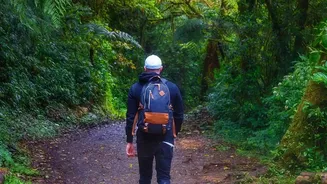
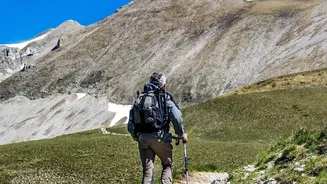
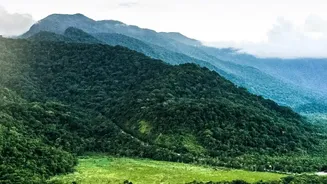
Trekking in the Western Ghats during the monsoon is an experience unlike any other. The dusty trails of summer give way to lush, vibrant landscapes. Every path seems to lead to a gushing waterfall, and the air is thick with the fresh scent of wet earth.
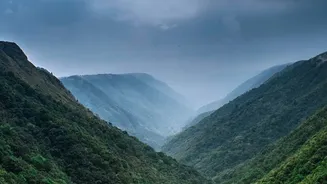
The clouds play hide-and-seek, engulfing the peaks in mist one moment and revealing breathtaking panoramic views the next. It’s a time when the region is truly alive, offering a sensory feast for those willing to brave the rain. This season is less about chasing clear summit views and more about immersing yourself in the moody, atmospheric beauty of the hills. Fewer crowds and rejuvenated flora and fauna make it an intimate rendezvous with nature.
Choosing Your Monsoon Trail
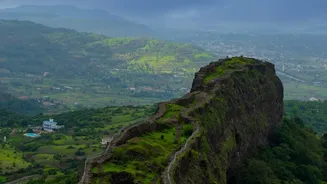
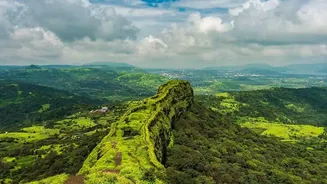
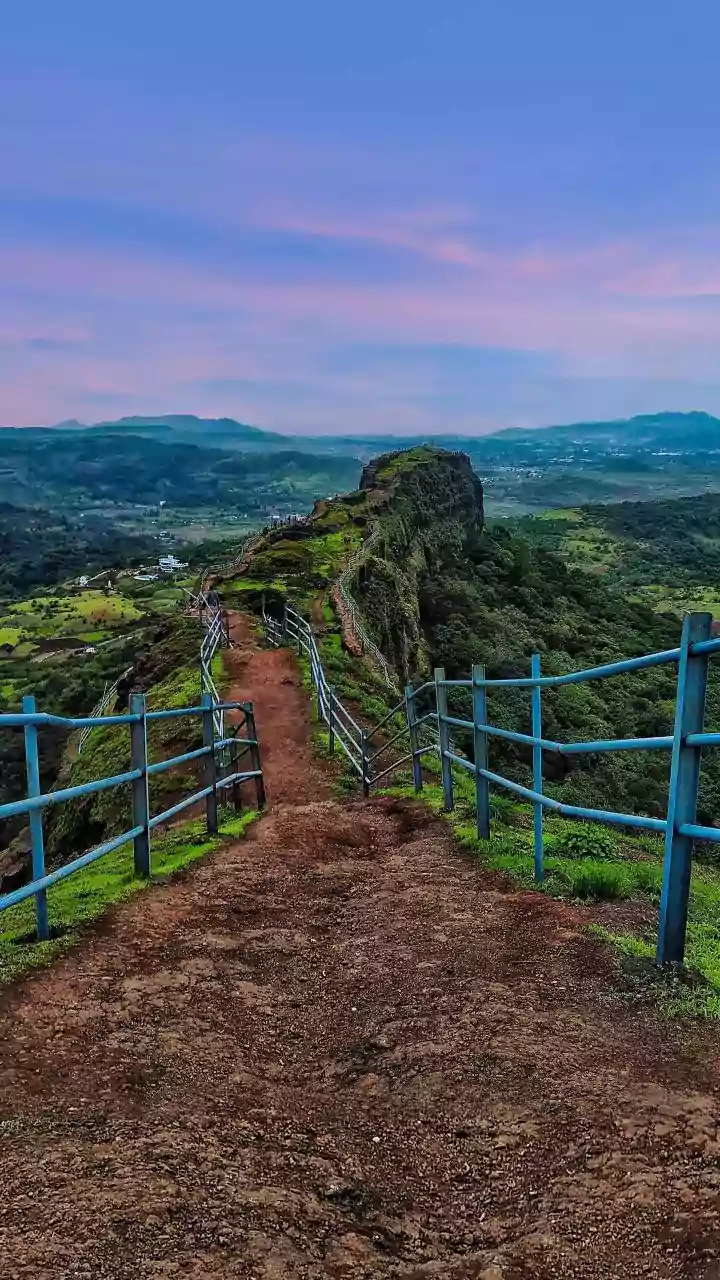
Not all trails are suited for the heavy rains. The key is to select routes that are beautiful but manageable, especially for a long weekend trip. Many treks in Maharashtra, Karnataka, and Kerala are ideal. Near Mumbai and Pune, fort treks like Rajmachi and Lohagad offer stunning scenery with historical ruins. In Karnataka, Mullayanagiri, the state's highest peak, is a popular choice for beginners, while the rolling hills of Kudremukh offer a more challenging, yet incredibly scenic, experience. Further south, Chembra Peak in Kerala, famous for its heart-shaped lake, provides a regulated and guided trekking option. Always check with local authorities or trekking groups for current trail conditions, as some paths may be closed due to heavy rainfall or landslide risks.
Crucial Trail Guidelines
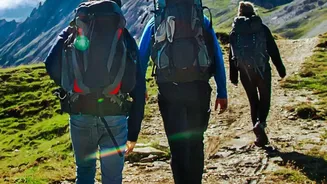
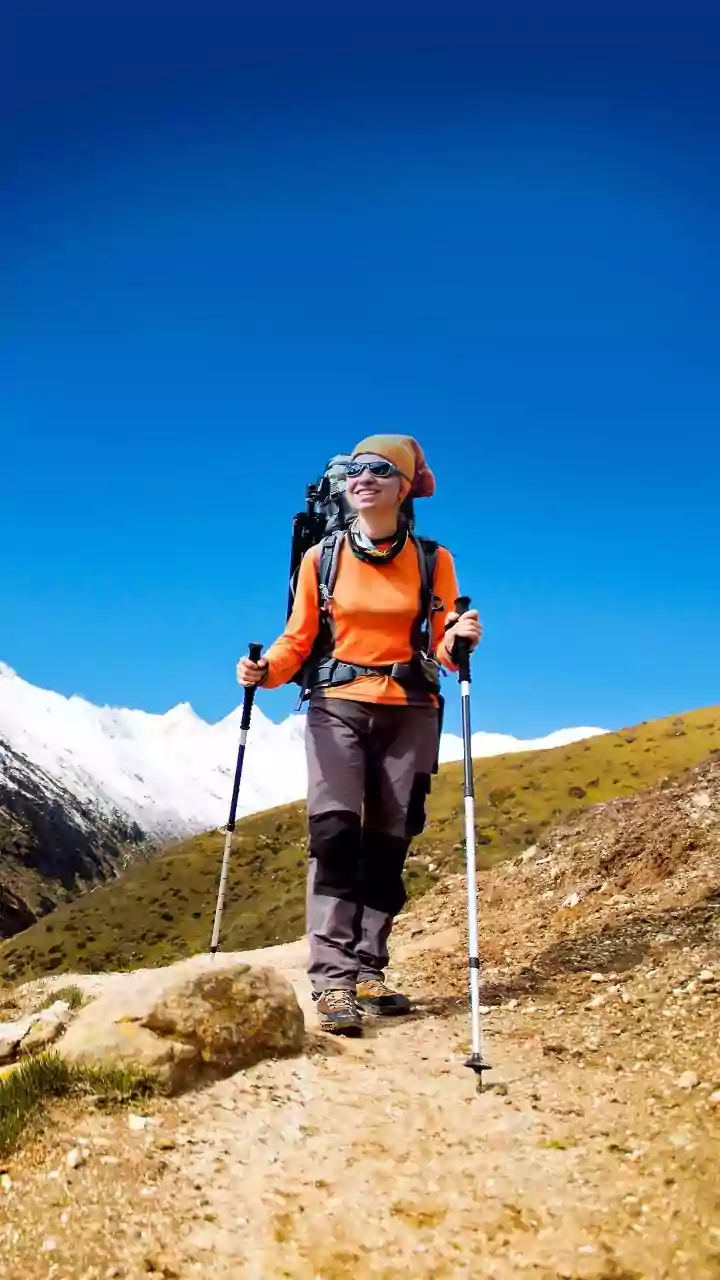
Safety is paramount when navigating wet and unpredictable terrain. The most important rule is to check the weather forecast before you leave and be prepared to change plans. Always start your trek early to avoid poor visibility in the afternoon and make the most of the daylight hours. Inform a friend or family member of your itinerary. On the trail, stick to marked paths and avoid shortcuts, which can be treacherous. Walk at a comfortable pace, taking care on slippery rocks and muddy slopes. Trekking poles can provide crucial stability. Finally, hiring a local guide is highly recommended, especially on less-traveled routes. They possess invaluable knowledge of the terrain, weather patterns, and safe water crossings.
The Gear Checklist: Clothing & Rainwear
Your clothing choices can make or break a monsoon trek. The mantra is 'quick-dry,' not cotton. Cotton absorbs moisture, gets heavy, and takes forever to dry, leaving you cold and uncomfortable. Opt for synthetic t-shirts and trekking pants. A reliable waterproof jacket is non-negotiable, but a poncho can also be a great option as it covers you and your backpack. Pack at least two extra pairs of quick-dry socks and an extra set of clothes in a waterproof dry bag or sealed plastic bag to ensure you have something warm and dry to change into.
The Gear Checklist: Footwear & Pack
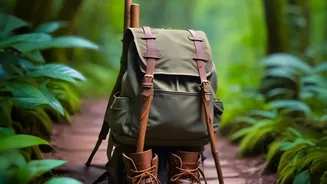
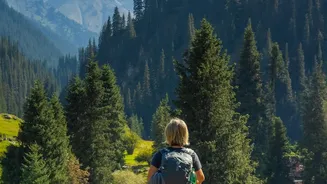
Good footwear is your best friend on slippery monsoon trails. Invest in trekking shoes with excellent grip; waterproof shoes are a bonus but a strong grip is the priority. For campsite comfort or gentle river crossings, a pair of floaters or sandals is useful. Your backpack, ideally 20-40 litres for a weekend trip, must be protected. Use a dedicated rain cover that fits snugly. For an extra layer of protection, line the inside of your backpack with a large plastic bag before packing and keep electronics and wallets in smaller ziplock bags or a waterproof pouch.
The Gear Checklist: Essentials & Leech Protection
Beyond clothes, several essentials are vital. Carry a basic first-aid kit with antiseptic, bandages, and any personal medications. A headlamp or torch is crucial, as is a power bank for your phone. Stay hydrated even if you don't feel thirsty; carry at least two litres of water. High-energy snacks like nuts and energy bars will keep you fuelled. Now, for the infamous monsoon critters: leeches. While generally harmless, they are a nuisance. Wear anti-leech socks, which are long, thick socks that create a barrier. You can also tuck your trousers into your regular socks. Carrying a small pouch of salt or a Dettol spray can help in detaching any leeches that latch on.