





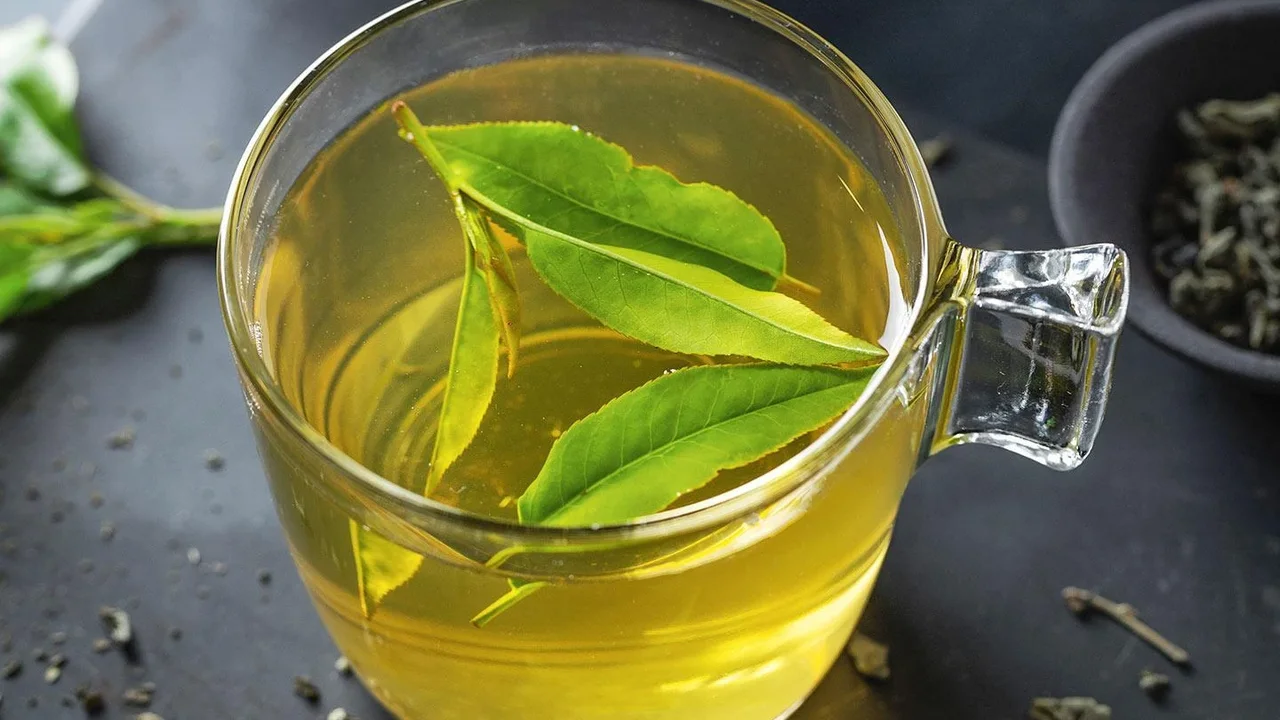
The Unique Charm of Nilgiri Tea
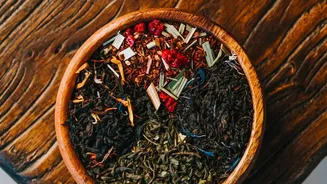
To understand the cold brew phenomenon, you first have to appreciate the star of the show: Nilgiri tea. Grown in the Blue Mountains of Southern India, these leaves are often called a 'blender's dream' for a reason. Unlike the bold, malty notes of Assam
or the delicate, muscatel character of Darjeeling, Nilgiri tea offers a wonderfully balanced profile. It is known for being exceptionally aromatic, with fragrant floral, fruity, and citrusy notes. Crucially, Nilgiri leaves are naturally low in tannins, the compounds that cause bitterness and astringency in many black teas. This low tannin content is a key reason why it is perfectly suited for cold brewing, resulting in a brew that is smooth, naturally sweet, and never cloudy, even when chilled.
The Gentle Science of Cold Brewing
The magic of cold brew lies in its chemistry. Traditional hot brewing is an aggressive process; hot water quickly extracts everything from the tea leaf, including caffeine and the bitter-tasting tannins. Cold brewing, on the other hand, is all about patience. By steeping leaves in cold water for an extended period—typically 8 to 12 hours in the refrigerator—the extraction process becomes slow and selective. This gentle method coaxes out the delicate, sweet, and aromatic compounds while leaving a significant portion of the larger, bitter tannin molecules behind. The result is a drink that is remarkably smooth, naturally sweeter, and less acidic, making it easier on the stomach. It also contains less caffeine than its hot-brewed counterpart, making it a perfect, hydrating refreshment for any time of day.
A Perfect Canvas for Seasonal Fruits
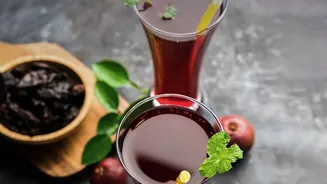
The smooth, clean, and balanced profile of cold-brewed Nilgiri tea makes it an ideal base for creative flavour infusions. Its inherent floral and citrusy notes act as a perfect complement to a wide array of seasonal fruits, rather than competing with them. During the hot summer months, pairing it with slices of ripe mango, lychee, or fresh peaches enhances its natural sweetness and creates a complex, tropical beverage. The tea's briskness cuts through the fruit's richness beautifully. In cooler months, fruits like oranges, pomegranates, or even slices of crisp apple can be used. The bright acidity of citrus fruits elevates the tea's natural zest, while berries add a pleasant tartness and a beautiful colour to the brew. This versatility allows for an endless variety of refreshing, all-natural drinks tailored to what's fresh and in season.
Crafting Your Own Cold Brew Infusion
Making your own artisanal cold brew at home is surprisingly simple and requires more patience than skill. Start with a clean glass jar or pitcher. For every litre of cold, filtered water, use about four to five teaspoons of good quality loose-leaf Nilgiri tea. Add your chosen seasonal fruits—a handful of berries, a few slices of citrus, or chunks of stone fruit all work well. There's no need to muddle or crush the fruit excessively; a gentle press is enough. Cover the container and place it in the refrigerator to steep for at least eight hours, or overnight. The next day, simply strain the leaves and fruit out, and you'll be left with a crystal-clear, flavourful, and deeply refreshing tea. It looks as beautiful as it tastes, offering a vibrant, jewel-toned drink that needs little to no added sugar.