





The Engine of Efficiency in Rowing
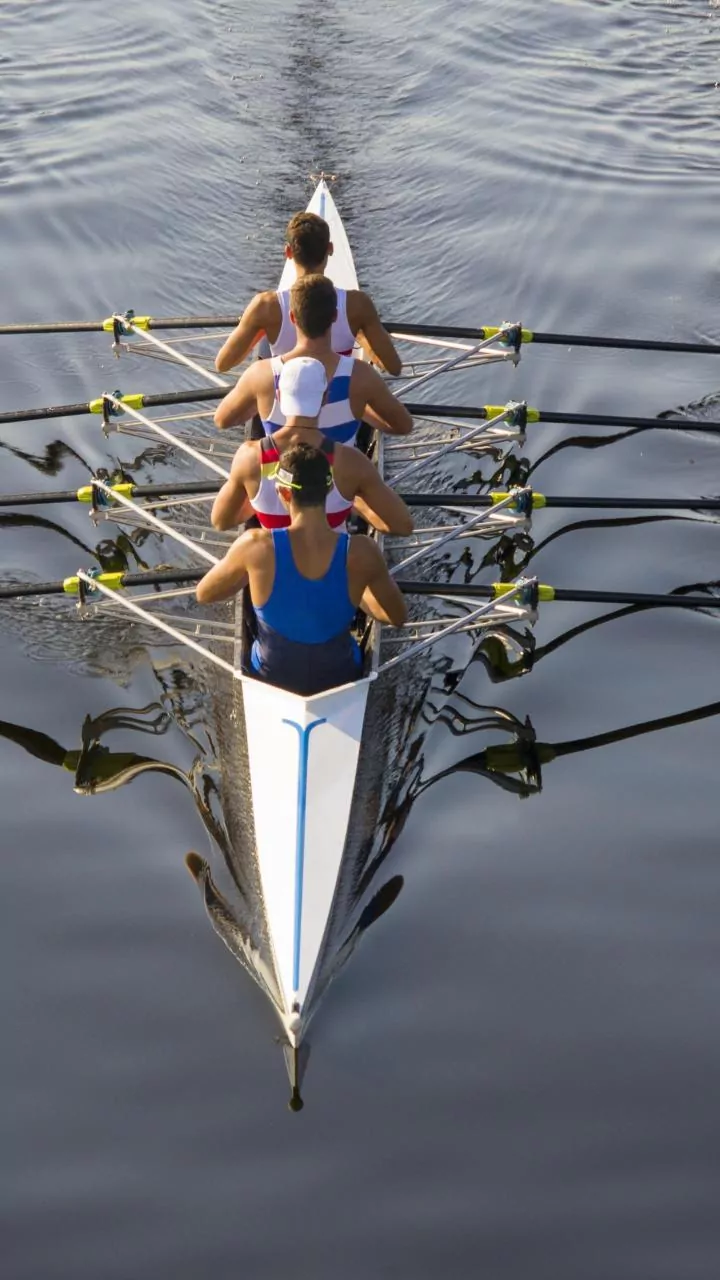
In rowing, rhythm is not about aesthetics; it is about physics. The primary goal is to move a boat as fast as possible, and this requires near-perfect synchronization among the crew. This unified motion is often called 'swing', an elusive state where
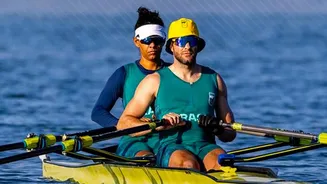
all rowers move in such perfect unison that the boat glides with minimal resistance. The rhythm is built around a four-part sequence: the catch (when oars enter the water), the drive (the power phase), the finish (when oars exit the water), and the recovery (the slide forward for the next stroke). The timing of these phases is critical. A perfectly timed catch by all eight rowers ensures that power is applied instantly and together. A mismatched 'drive' phase, where rowers apply pressure at different moments, can slow the boat down or disrupt its balance. Rhythm in rowing is a tool for mechanical efficiency, converting human energy into boat speed with as little waste as possible.
The Soul of Expression in Dance
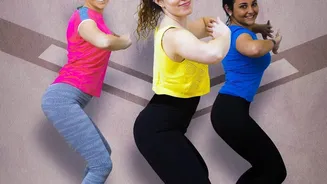
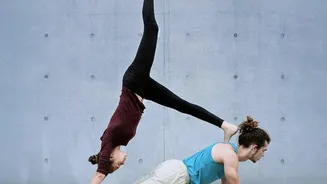
In dance, rhythm is the foundation for expression, emotion, and storytelling. While rowing’s rhythm is internally generated for a functional purpose, a dancer's rhythm is most often a response to an external cue: music. It’s not just about moving on the beat, but interpreting it. This is known as musicality. A dancer might use a sharp movement to accent a cymbal crash or a flowing turn to match a smooth melody. The timing of a dancer’s movements—their ability to land a jump or complete a turn precisely on a musical count—is what an audience perceives as being 'in sync'. Unlike the uniform, repetitive motion of rowing, dance involves a vast vocabulary of movements. Timing here is not just about coordinating with others, but about coordinating with the emotional and structural layers of the music itself.
Synchronization: Mechanical Unity vs. Dynamic Conversation
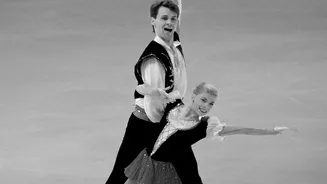
Both activities demand synchronization, but the nature of that unity is different. In a rowing crew, especially an eight, the goal is for every rower to be a perfect mirror of the 'stroke seat', the rower who sets the rhythm for the boat. Individuality is suppressed in favour of creating a single, powerful engine. The movements are intended to be identical. In dance, particularly partner dances like ballroom, synchronization is more of a physical conversation. There's a lead-and-follow dynamic, where one partner initiates a move and the other responds. While a choreographed group performance requires precise unison, there is still room for individual expression and interpretation that would be detrimental in a racing shell. Dancers listen to each other and the music; rowers listen to the feel of the boat and the calls of the coxswain, who acts as an on-the-water coach.
The Source of the Beat
The source of rhythm also marks a key distinction. For dancers, the beat is typically provided by music, a metronome, or even the sound of their own footfalls. This external beat is a guide and an inspiration. For rowers, the rhythm is generated from within the boat itself. The stroke seat sets a specific stroke rate—the number of strokes per minute—and the rest of the crew must match it perfectly. While some crews use music during land-based training as a metronome, in a race, the rhythm is a product of pure internal discipline and feel. It's a closed loop: the crew generates a rhythm to move the boat, and the boat's movement provides feedback to help them maintain that rhythm. A rower's rhythm is a relentless, self-sustained tempo; a dancer's rhythm is a dynamic response to an external soundtrack.
When Timing Fails
The consequences of a rhythmic error highlight the different stakes. In rowing, a single rower catching their oar incorrectly—an event known as 'catching a crab'—can bring the entire boat to a halt, throw off the balance, and instantly end any hope of winning a race. Because the system is so tightly coupled, one person's mistake immediately affects everyone. In dance, a misstep or a timing error might break the aesthetic illusion or lead to a stumble. While it can disrupt a performance, it often doesn't create the same systemic failure. A professional dancer can often recover from a minor timing issue without the audience even noticing. The goal in rowing is error-free repetition, while in dance, performance allows for adaptation and recovery.