







The Game-Changer: A Freight-Free Path
For decades, Mumbai’s suburban rail lines—the city's lifeline—have been choked by mixed traffic. Passenger locals and long-distance expresses have had to share tracks with slow-moving goods trains, creating bottlenecks and severely limiting the number
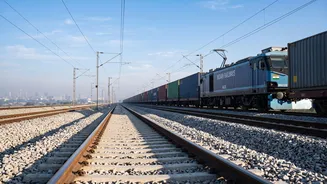
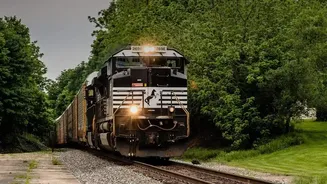
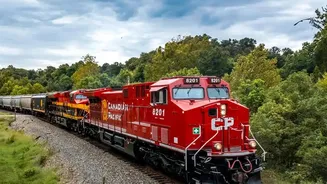
of suburban services that can be run. This is the reality that the Dedicated Freight Corridor (DFC) project was designed to change. In a major milestone, the Western Dedicated Freight Corridor (WDFC), a 1,506-km freight-exclusive railway line connecting Dadri in Uttar Pradesh to Jawaharlal Nehru Port (JNPT) in Navi Mumbai, was declared complete in March 2026. This means that the bulk of goods trains heading to and from the country's largest container port can now be diverted off the main passenger network. By creating a separate, high-speed highway for freight, the WDFC frees up invaluable space on the tracks that Mumbaikars use every day.
Unlocking New Paths for People
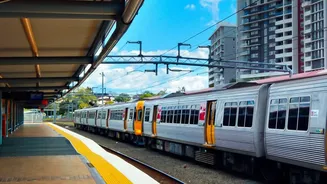
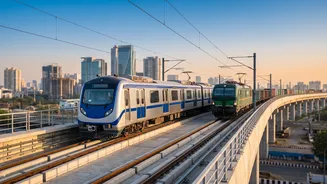
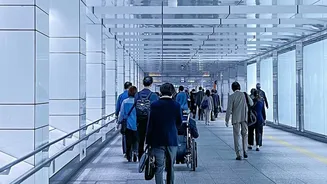
The primary benefit of segregating freight traffic is the immediate potential to increase passenger train capacity. With goods trains no longer competing for slots, railway authorities can introduce more suburban services, reduce the agonisingly long wait times between trains, and improve punctuality. According to railway officials, the DFCs will help reduce pressure on the existing network, providing additional capacity for passenger trains. This opens the door for a significant overhaul of the Mumbai suburban system, which currently runs about 3,200 services daily. The goal is to not only add more trains but also to run them more efficiently, tackling the root cause of the infamous super-dense crush load that defines peak-hour travel for so many.
The Next Step: MUTP and Modernisation
The newly available track capacity is the foundation upon which the next phase of Mumbai's railway expansion will be built. This is where the Mumbai Urban Transport Project (MUTP) comes in. With phases of the project already having delivered new lines and converted the network to a more efficient electrical system, the current and upcoming stages are set to leverage the DFC's benefits. Plans are underway to introduce hundreds of new-generation air-conditioned local trains, with the first expected to enter production in 2027 and a target of 238 new rakes by 2030. Furthermore, billions of rupees are being invested in projects to add more platforms at key stations like Dadar and Jogeshwari, extend existing platforms to accommodate longer 15-coach trains, and construct new lines to segregate suburban and long-distance traffic completely.
More Services, Better Commutes
The long-term vision is clear. Railway Minister Ashwini Vaishnaw recently stated that the aim is to increase the number of daily suburban services in Mumbai to around 3,500 by 2030. This represents a significant capacity boost. The upgrades are not just about quantity but also quality. The introduction of 238 new AC local trains will offer a more comfortable travel experience, while infrastructure upgrades under MUTP, like the quadrupling of the Virar-Dahanu Road corridor and the new Panvel-Karjat line, will de-congest some of the most saturated sections of the network. As part of a nationwide plan to expand high-density routes, the lines connecting Mumbai to other metros are also being strengthened, which will further streamline train movement in and out of the city.