




Why Food Dries Out
When you reheat food, particularly in a microwave or a hot oven, you're causing the water molecules within it to vibrate and evaporate. This process, which is what heats the food, is also what robs it of moisture. Starches congeal, proteins tighten, and what was
once tender and juicy becomes hard and chewy. The goal of proper reheating is to introduce heat gently while simultaneously reintroducing or trapping moisture, tricking your food into thinking it was just freshly cooked.
The Three Pillars of Reheating
Before we get into specific foods, remember these three rules. First, use low to medium heat. Blasting leftovers with high heat is the fastest way to dry them out.. Second, add a little liquid. A tablespoon or two of water, broth, or even sauce can create the steam needed to keep things moist.. Third, cover it up. Using a lid, a damp paper towel, or foil traps that steam, ensuring it penetrates the food instead of escaping.. Following these principles is half the battle won.
Grains: Rice, Quinoa, and More
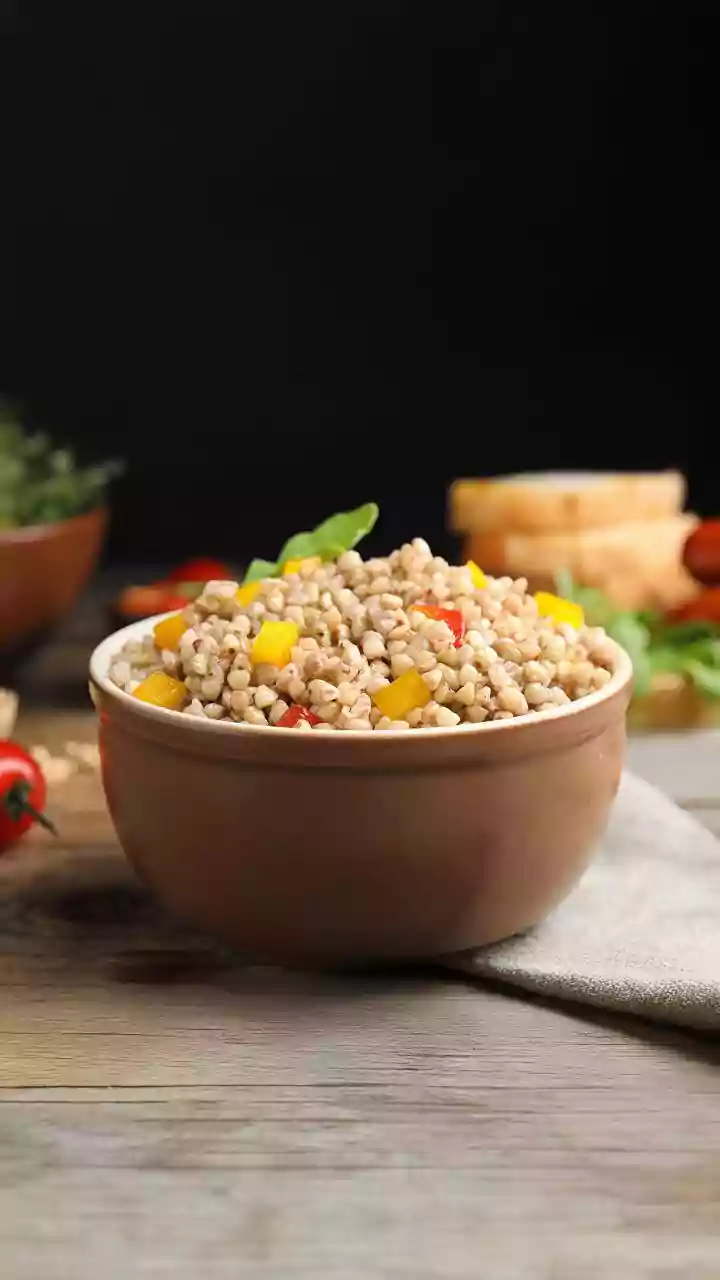
Leftover rice is notorious for becoming hard and clumpy. The stovetop method works wonders: add the rice to a pot with a splash of water or broth and heat it over low heat with a lid on, fluffing occasionally until warm and steamy.. In a hurry? The microwave can work if you do it right. Place the rice in a bowl, break up any large clumps, sprinkle about two tablespoons of water over the top per cup of rice, and cover the bowl with a damp paper towel before heating.. This steaming action will restore its fluffy texture.
Pasta and Noodles
Reheating pasta is a delicate art. If the pasta is plain without sauce, the best method is to dip it in boiling water for just 30-60 seconds to warm it through without overcooking.. For sauced pasta, the stovetop is your friend. Place it in a skillet over medium-low heat. Add a splash of water for tomato-based sauces or a bit of milk or cream for creamy sauces.. Stir gently until it's heated through. This replenishes the sauce's moisture and prevents the pasta from becoming a sticky, dry mess.
Meats: Chicken, Mutton, and Fish
Proteins are perhaps the most susceptible to becoming tough and dry. The oven is the most reliable tool here. Place your chicken or other meat in an oven-safe dish, add a splash of broth or water, and cover it tightly with foil.. Reheat in a preheated oven at a moderate temperature, around 175°C (350°F), until warmed through.. The foil traps steam, gently reheating the meat and keeping it juicy.. If using a microwave, cut the meat into smaller pieces, cover it with a damp paper towel, and heat in short 30-second intervals, checking frequently..
Pizza, Breads, and Pastries
For pizza, the goal is a crispy base and melted cheese, something the microwave rarely achieves. For one or two slices, a dry, non-stick skillet over medium heat is perfect.. Heat the slice for a couple of minutes until the bottom is crisp, then add a few drops of water to the pan (away from the slice) and cover it with a lid for a minute. The steam will melt the cheese and warm the toppings perfectly.. For multiple slices, an oven at 190°C (375°F) will bring them back to life.. A similar low-and-slow oven approach works for reviving breads and pastries without making them tough.