






From Concrete View to Green Oasis
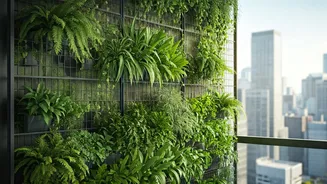
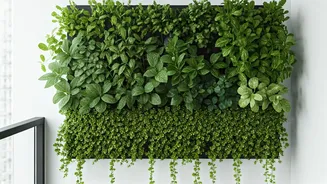
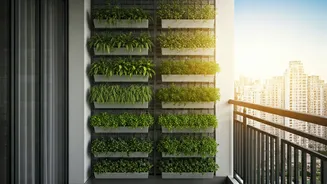
Look around any major Indian city, and you'll see a skyline dominated by high-rise apartments. While offering a home, they often come with a disconnect from the natural world. Enter the vertical garden grid. This simple yet ingenious system uses a frame,
often made of metal or recycled plastic, that attaches to a wall. It holds multiple small pots or planting pockets, allowing you to grow a variety of plants upwards instead of outwards. For the millions living in apartments in Mumbai, Bengaluru, or Delhi, where floor space is a premium, this is a game-changer. It transforms a bare, overlooked balcony wall into a vibrant, green centrepiece without sacrificing precious seating or walking area.
More Than Just a Pretty View
The appeal of a vertical garden goes far beyond aesthetics. They are small but mighty ecosystems that bring tangible benefits into your home. Plants are natural air purifiers, helping to filter common urban pollutants and improve the air quality in your immediate vicinity—a welcome bonus in our cities. The act of gardening itself, even on a small scale, is a proven stress-buster. Tending to your plants provides a mindful escape from the digital world and the daily hustle. Furthermore, these living walls can have a subtle cooling effect on your balcony, providing shade and reducing the ambient temperature. And, of course, there’s the sheer joy of watching something grow, bringing a sense of life and accomplishment into your daily routine.
Choosing Your Vertical Canvas
Getting started is easier than you think, with plenty of options now available across Indian e-commerce sites and local nurseries. The most common type is a metal grid with rings to hold pots. These are sturdy and allow for easy rearrangement. Another popular choice is a frame with felt or fabric pockets, which is lightweight and great for plants that don't need deep soil. Before you buy, consider two key factors: sunlight and support. Observe your balcony to see how much direct sun it gets throughout the day, as this will determine what you can grow. Also, ensure the wall you plan to use is strong enough to support the weight of the grid, pots, soil, and water. For renters, freestanding vertical planters are an excellent alternative that requires no drilling.
What to Plant: A Beginner's Guide
The key to a thriving vertical garden is choosing the right plants for your conditions. For Indian climates, especially on a sunny balcony, hardy and low-maintenance options are your best friends.
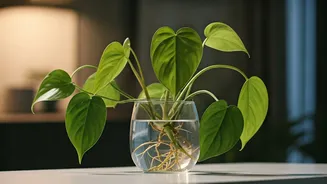
* For foliage and easy care: Money Plant (Pothos), Spider Plant, and Syngonium are incredibly forgiving and create a lush, trailing effect.
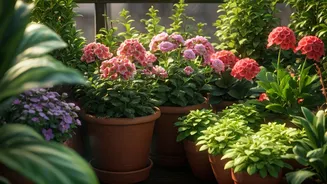
* For a pop of colour: Portulaca (Office Time flower), Verbena, and Pentas are sun-loving and produce vibrant, continuous blooms.
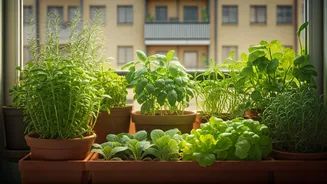
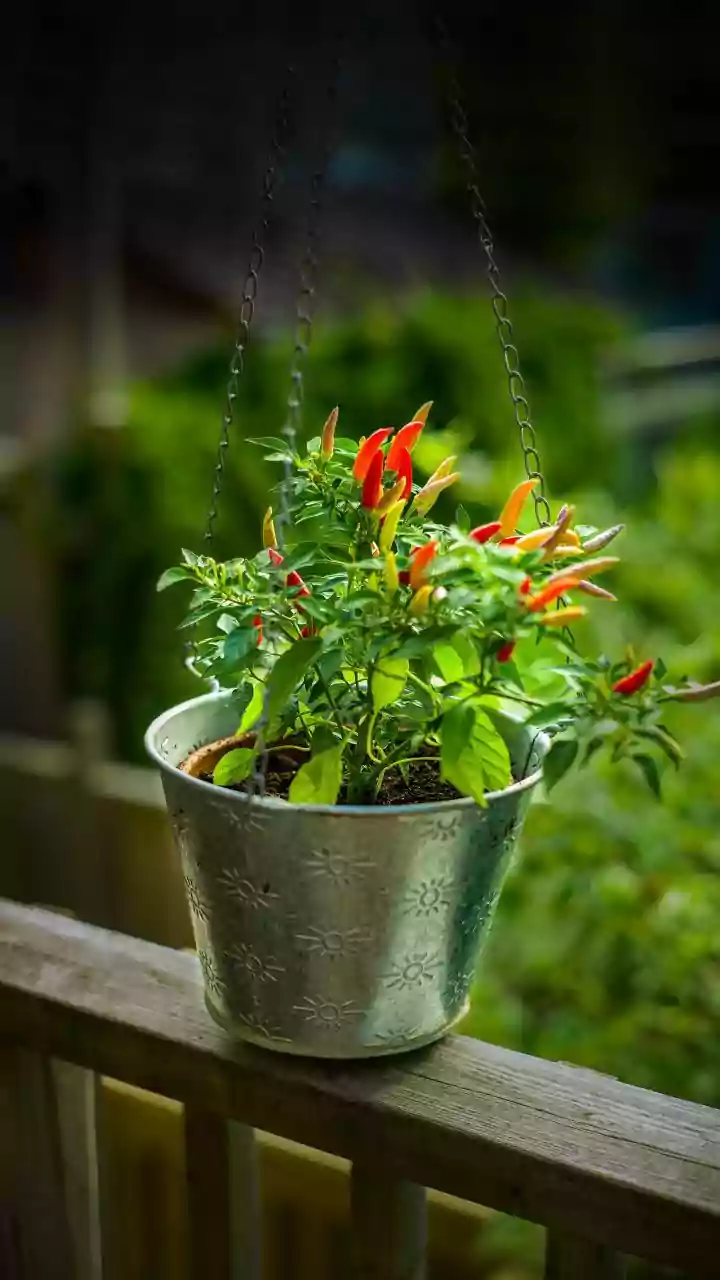
* For fresh edibles: A small herb garden is perfect for a vertical setup. Mint (pudina), Indian Borage (ajwain), coriander (dhania), and chillies can all thrive in pots with enough sunlight.
Start with 3-4 different types of plants to see what works best in your space. Grouping plants with similar light and water needs together will make maintenance much simpler.
The Essentials of Upkeep
Maintaining a vertical garden is not complicated, but it requires consistency. Because the pots are small, the soil can dry out quickly, especially during hot Indian summers. Check the soil moisture daily by poking a finger in; water only when the top inch feels dry. A small watering can or a spray bottle is often easiest to manage. Plants grown vertically still need nutrients, so feed them with a diluted liquid fertiliser every 3-4 weeks during the growing season. Finally, keep an eye out for pests and dust. A simple spray of neem oil solution once a month can help keep common pests at bay, and wiping down the leaves with a damp cloth will remove urban dust, allowing your plants to breathe and photosynthesise effectively.