
The Foundation: Start with Variety
The secret to a lush, professionally styled indoor garden is variety. A collection of plants that are all the same height and shape can look flat and uninspired. The goal is to create layers of visual interest. This means thinking like a designer and considering
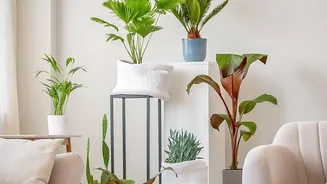
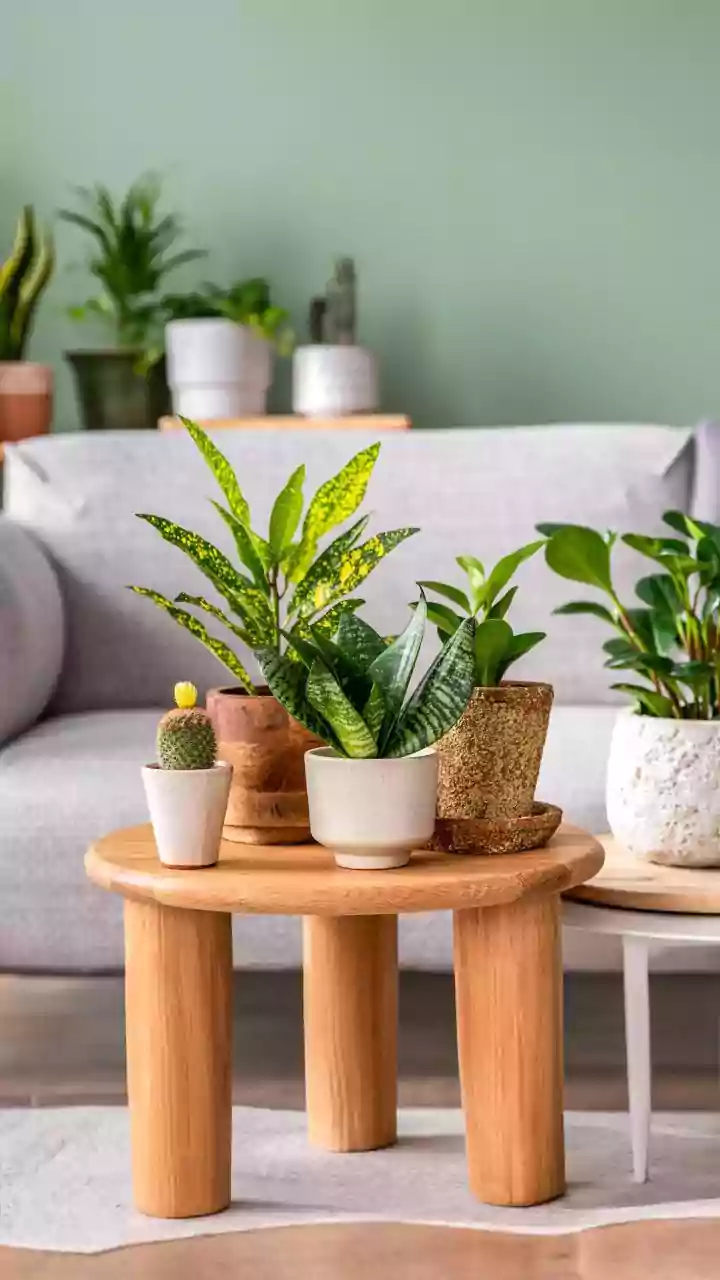
how different forms, textures, and sizes interact. By combining plants with diverse characteristics—such as a tall, upright plant next to a full, bushy one and a trailing vine—you create a more dynamic and natural-looking arrangement. This principle applies whether you have three plants or thirty. The interplay between different heights draws the eye up and down, while varied leaf shapes provide textural contrast that makes the entire grouping more compelling.
Mastering Height: The 'Thriller, Filler, Spiller' Method
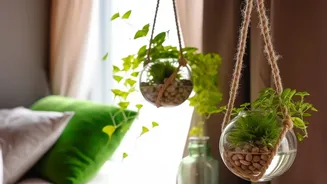
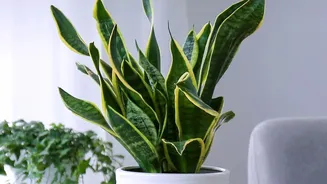
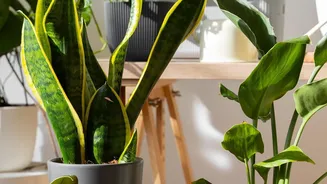
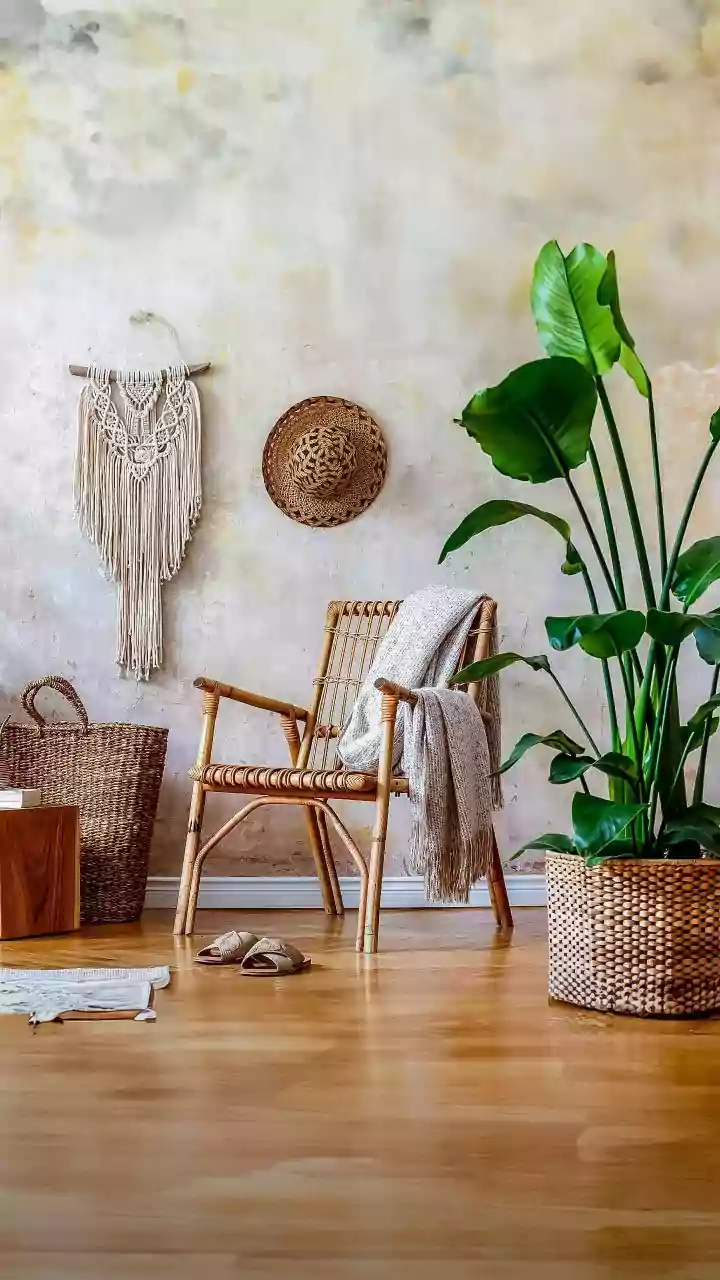
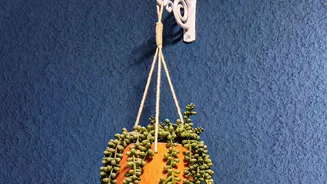
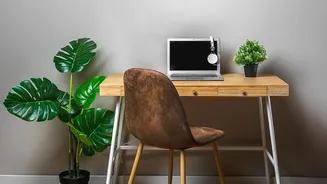
A classic concept in outdoor container gardening works just as well indoors: 'thriller, filler, and spiller'. Your 'thriller' is a tall, eye-catching plant that provides a strong vertical element. Think of a Fiddle Leaf Fig, a Bird of Paradise, or a Snake Plant. These are often best placed in corners or behind furniture to anchor the space. 'Fillers' are mid-sized, bushy plants that add fullness to the arrangement, like a Peace Lily or a Calathea. 'Spillers' are trailing plants, such as a Pothos or String of Hearts, that cascade over the edges of shelves or pots, softening the lines of your display. Arranging these in groups creates a balanced composition. Using plant stands, books, or shelves to create different levels further enhances this effect, ensuring each plant has its own visual space.
Playing with Leaf Shapes and Textures
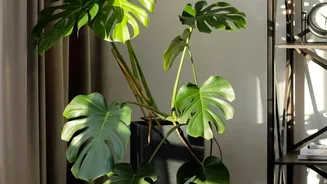
Texture is just as important as height. Mixing different leaf shapes prevents your plant collection from becoming a monotonous sea of green. Pair the large, bold leaves of a Monstera Deliciosa with the delicate, feathery fronds of a fern. Combine the sharp, architectural lines of a cactus with the soft, rounded leaves of a Peperomia. This contrast is what makes the arrangement feel rich and complex. Variegated leaves, with their patterns of white, yellow, or pink, can also add another layer of depth and interest to your groupings. Don't be afraid to mix glossy leaves with matte ones, or smooth textures with fuzzy or spiky surfaces. This tactile variety invites closer inspection and makes the arrangement more engaging.
Creating Cohesive Groupings
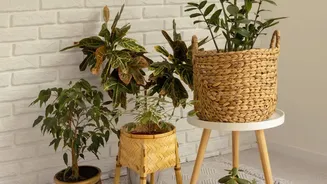
When arranging your plants, think in odd numbers. Groups of three, five, or seven tend to be more visually appealing than even-numbered clusters. This is a long-standing design principle that creates a sense of harmony and natural balance. When grouping, ensure the plants have similar care needs, particularly for light and water. A cactus that loves dry conditions won't thrive next to a tropical fern that needs high humidity. While a cohesive look is important, it doesn't mean everything has to match perfectly. Using pots of different materials—like terracotta, ceramic, and woven baskets—can add another layer of texture, as long as they share a complementary colour palette or style. This helps unify the design while still allowing for individual character.
Strategic Placement for Maximum Impact
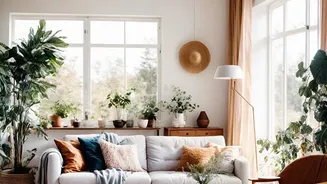
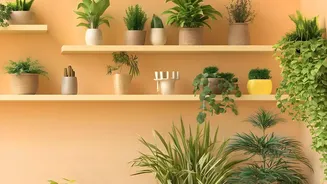
Where you place your arrangements is key. An empty corner is a perfect spot for a tall floor plant to create a focal point. A wide windowsill or a long bench can host a lineup of plants with varying heights. Use bookcases and shelves to play with different levels, placing trailing plants on higher shelves to cascade down. You can even use a line of plants to act as a soft, natural room divider in an open-plan space. Consider the light in each potential spot before you commit. The most beautiful arrangement will falter if the plants aren't getting the light they need to thrive. Ultimately, the goal is to integrate your plants into your home's decor, turning them from simple accessories into living, breathing art.