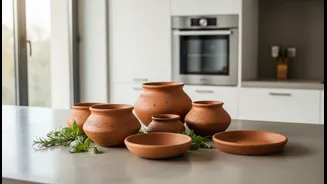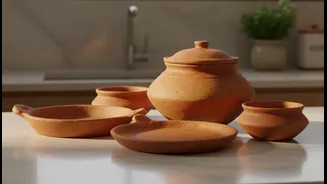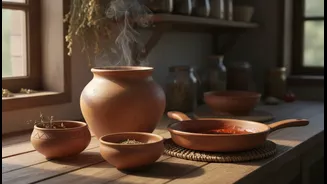



The Allure of Earthenware: More Than Just Nostalgia
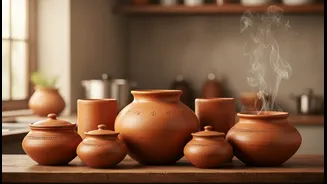
The renewed interest in clay pot cooking isn't just about romanticising the past. Proponents point to tangible benefits backed by both tradition and science. Clay is a porous material that allows for slow, even heat distribution, which helps in retaining
the delicate nutrients in food that are often destroyed by the high, direct heat of metal pans. This gentle cooking process also means less oil is required, as the pot's walls retain moisture, creating a self-basting effect that keeps food tender. Furthermore, clay is naturally alkaline, which can help neutralise the pH of acidic foods like tomatoes and tamarind, making dishes easier to digest. Unlike some modern cookware, pure, unglazed clay pots do not leach harmful chemicals into your food, offering a non-toxic cooking experience.
The Practical Hurdles: Space, Stoves, and Sensitivity
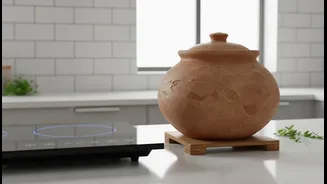
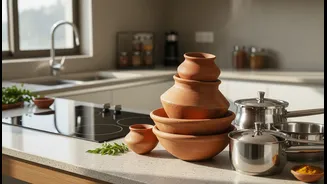
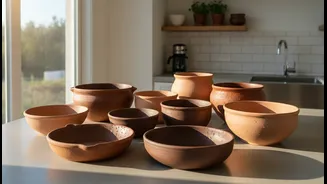
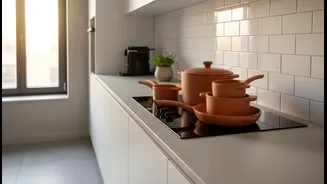
Despite the benefits, the challenges are real, especially in a compact kitchen. Earthen pots are bulkier and more fragile than their steel or non-stick counterparts. Stacking them is ill-advised, meaning each pot needs its own dedicated, secure space, a luxury many small kitchens don't have. Then there's the issue of compatibility. Most traditional earthen pots are not suitable for induction cooktops, although some flat-bottomed versions may work. They perform best on gas stoves but require careful handling. You must always start on a low flame and gradually increase the heat to prevent thermal shock, which can cause the pot to crack. Placing a hot pot on a cold surface or under cold water is a sure way to break it.
The Art of Maintenance: Seasoning and Cleaning
Earthen cookware demands patience and a specific care routine. Before its first use, a new pot must be seasoned. This typically involves soaking it in water for several hours (sometimes overnight), scrubbing it gently without soap, and then often boiling rice water or a flour-water mixture inside it to seal the pores. This process strengthens the pot and prevents it from cracking. Cleaning is also different. Harsh detergents and metal scrubbers are forbidden, as the porous clay can absorb soap, which will then leach into your next meal. Instead, cleaning is done with hot water, and a soft scrub brush or by using natural abrasives like salt or baking soda. After washing, the pot must be dried completely before storage to prevent mould growth.
Making It Work: Smart Solutions for Modern Homes
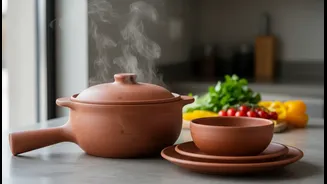
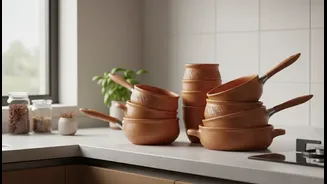
Seamless integration might be difficult, but thoughtful adoption is entirely possible. Instead of replacing your entire cookware collection, start small. Introduce one or two key pieces, like a handi for slow-cooking dals and curries or a pot for setting curd. This allows you to enjoy the benefits without overwhelming your storage. Look for modern, flameproof clay cookware, which is designed to be more durable for stovetop use. To manage space, consider vertical storage solutions. A sturdy rack or organiser can help you store pots safely without stacking them. Some people use heat diffusers on gas stoves to provide an extra layer of protection between the flame and the pot, ensuring more even heating and reducing the risk of cracks. Think of it not as an all-or-nothing switch, but as adding a specialised tool to your culinary arsenal for specific jobs it does best.