




Rethink Your Flour Mix
The foundation of any good pakora is the batter, which traditionally uses besan (gram flour). While besan provides that classic nutty flavour, it can also absorb a fair bit of oil. The secret to a lighter pakora lies in combination flours. For every cup
of besan, try adding two to three tablespoons of either rice flour or fine suji (semolina). Rice flour is a game-changer; it absorbs less oil and fries up exceptionally crispy. Similarly, suji lends a wonderful, gritty crunch. This simple adjustment creates a barrier that results in a pakora that is crisp on the outside and tender, not oily, on the inside. You will not lose the essential besan flavour, but you will gain a significantly improved texture.
The Magic of Batter Consistency
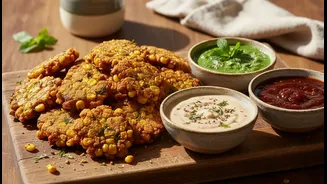
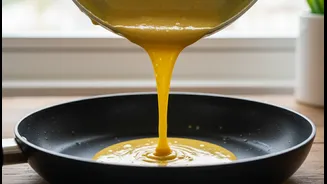
A common mistake that leads to dense, oil-logged pakoras is a runny batter. The ideal batter should be thick—enough to coat the corn kernels and other ingredients without dripping off instantly. When making corn pakoras specifically, leverage the moisture from the corn itself. If using fresh or frozen-and-thawed kernels, try mixing all your dry ingredients with the corn first. You might find you need little to no water at all. The natural juices from the corn will bind the flour. If you must add liquid, use cold water and add it one tablespoon at a time. A cold, thick batter is less porous and will absorb significantly less oil when it hits the hot kadhai.
A Little Lift Goes a Long Way
To achieve a lighter, airier texture, a leavening agent is your best friend. Just a pinch of baking soda (about ¼ teaspoon for a cup of flour) can make a world of difference. When it hits the hot oil, baking soda releases tiny bubbles of carbon dioxide, which make the batter expand and become fluffier. This not only lightens the pakora but also helps it cook faster from the inside out, reducing its time in the oil. Another clever trick is to add a teaspoon of hot oil from the frying pan into your batter just before you start frying. This emulsion helps to create a crispier crust and prevents the pakoras from soaking up excess grease.
Master Your Frying Temperature
This might be the most critical factor of all. The oil must be hot, but not smoking—ideally around 180°C. If the oil is not hot enough, the batter will absorb it like a sponge before it has a chance to cook, resulting in greasy pakoras. If it is too hot, the outside will burn before the inside is cooked. Test the oil by dropping a tiny speck of batter into it; if it sizzles and rises to the surface immediately, you are good to go. Furthermore, do not overcrowd the pan. Frying in small batches ensures the oil temperature remains stable, giving each pakora the space it needs to cook evenly and become perfectly golden and crisp.
Boost Flavour, Not Weight
Flavourful pakoras do not need to be heavy. Instead of relying solely on salt, ramp up the aromatics. Freshly chopped coriander, mint leaves, finely diced green chillies, and grated ginger add layers of fresh flavour. Spices like crushed coriander seeds, ajwain (carom seeds), and chaat masala also provide a big flavour punch. For corn pakoras, coarsely crushing some of the kernels before adding them to the batter releases their sweet milk, infusing the entire mixture with more corn flavour. This technique also doubles as a safety precaution, as whole kernels can sometimes pop and burst in hot oil.
Consider Healthier Cooking Methods
If you want to drastically reduce the oil content, move away from the kadhai altogether. Modern appliances offer fantastic alternatives. An air fryer can produce impressively crisp corn pakoras with just a light spray of oil. Bake them on a lined tray in a preheated oven at around 200°C for 20-25 minutes, flipping halfway through, for a less traditional but still delicious result. While the texture will not be identical to the deep-fried classic, you will get a tasty, guilt-free snack that satisfies the craving.