

The Search for Serenity
One of the most significant shifts is the growing demand for wellness and spiritual tourism. This goes beyond a simple vacation; it's a quest for mental and physical rejuvenation. While destinations like Rishikesh remain popular, travellers are increasingly
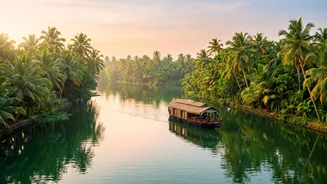
looking for holistic retreats that combine yoga, meditation, Ayurveda, and mindful living. This trend is driven by a desire to disconnect from the frantic pace of modern life and reconnect with oneself. New hubs are emerging in serene locations, from the backwaters of Kerala to lesser-known Himalayan hamlets, offering tailored wellness programs. The market for this type of travel is booming, with industry projections suggesting it will be a major driver of tourism in the coming years as more people, especially younger generations, redefine spirituality as a moment to pause and reflect.
Back to the Roots with Agri-Tourism
A strong desire to connect with the land is fuelling the rise of agri-tourism. Urban dwellers, in particular, are seeking authentic rural experiences, from staying on working farms to participating in agricultural activities. This trend allows travellers to understand where their food comes from, engage directly with farming communities, and enjoy the peace of the countryside. States like Maharashtra, Karnataka, and Punjab are seeing a surge in farm stays that offer everything from fruit picking and tractor rides to learning about organic farming practices. This isn't just a rustic holiday; it's an educational and grounding experience that supports local economies and promotes a deeper appreciation for rural life. Market reports indicate that agri-tourism is growing at a significant rate annually, signalling a major shift in vacation preferences.
The Rise of the Conscious Traveller
Sustainability is no longer a niche concern but a mainstream priority for a growing number of Indian travellers. There's a clear move towards eco-conscious travel, which involves choosing accommodations that use sustainable practices, participating in low-impact activities like trekking and cycling, and ensuring tourism benefits local communities. This has led to the popularity of eco-lodges and community-run homestays in ecologically sensitive areas like the Western Ghats and the Northeast. Travellers are actively looking to minimize their carbon footprint and contribute positively to the places they visit. This trend extends to wildlife tourism, with a greater focus on visiting buffer zones and supporting conservation efforts rather than just crowding popular national parks.
Exploring India's Hidden Corners
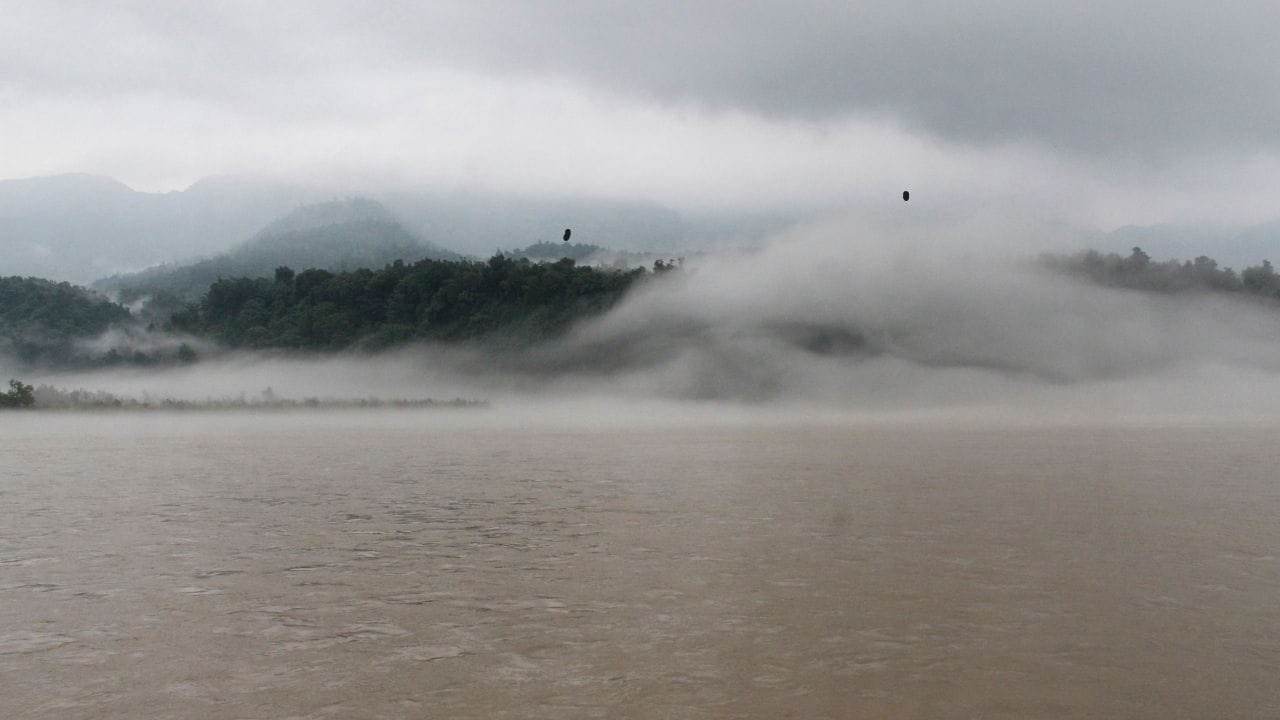
Perhaps the most exciting trend is the exploration of offbeat destinations. Data shows a significant increase in searches for non-traditional locations, with interest in the Northeast, for example, surging dramatically compared to drops in searches for traditional hotspots. Travellers are venturing into regions previously overlooked, seeking unique cultural encounters and unspoiled landscapes. Places like Ziro Valley in Arunachal Pradesh, known for its Apatani tribal culture, the historic Chettinad region in Tamil Nadu with its grand mansions, and the vast river island of Majuli in Assam are gaining traction. This shift is driven by a desire for authenticity, fewer crowds, and the thrill of discovery, proving that India's travel map is being redrawn by curious explorers looking to go beyond the familiar.