




An Appetite for Authenticity
The Indian diner's palate is evolving. For decades, eating out often meant choosing from a predictable rotation of butter chicken, paneer tikka masala, and biryani. While beloved, these dishes represent just a fraction of India's culinary map. Today,
there's a growing appetite for something more. Diners are actively seeking dishes that tell a story, offering context, memory, and a genuine connection to a place. This shift is driven by a desire for honesty on the plate—food that is tied to a specific climate, geography, and community. As domestic travel grows and diners experience local cuisines at their source, they return home with a craving for those authentic tastes, rejecting generic preparations for food that feels rooted and real.
A New Generation of Culinary Storytellers
This movement is being led by a new wave of Indian chefs who see themselves as culinary ambassadors and historians. They are moving beyond recreating classics and are instead digging deep into their own heritage, championing hyper-regional ingredients and reviving forgotten techniques. In Himachal Pradesh, Chef Prateek Sadhu’s destination restaurant, Naar, is an ode to Himalayan cuisine, built almost entirely around foraged and locally farmed ingredients. In Goa, Chef Avinash Martins speaks of entering an “era of the micro-culinary narrative,” focusing on the specific traditions of a single village or community. These chefs are rewriting the rules, transforming lesser-known ingredients—from weaver ants in Odisha to unique Himalayan greens—into celebrated dishes that redefine modern Indian fine dining.
The Flavours Finding the Spotlight
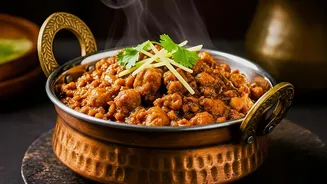
So, what does this trend look like on the menu? It’s about discovering the incredible diversity that has always existed. Restaurants are now proudly showcasing specific regional identities. Keralan cuisine, with its veggie-forward dishes and complex spice blends, is being tipped as a major cuisine to watch. Goan food, with its unique blend of Indian and Portuguese influences, is finding a wider audience. Even within cities, new menus are celebrating this shift. Mumbai’s HyLo, for example, recently introduced dishes like Thecha Prawns and Kalimpong Style Thukpa. Pop-ups like Safar by KARM offer diners a six-course culinary journey from east to west India in a single evening. From the smoky, earthy flavours of Nagaland and Assam to the rustic slow-cooked Champaran Gosht of Bihar, diners are exploring a richer, more complex taste of India.
From Home Kitchens to a Click Away
This culinary rediscovery isn't just happening in high-end restaurants. Technology has played a huge role in democratizing regional food. Social media has become a powerful tool for discovery, with food creators spotlighting hyper-local home cooking and traditional family recipes that were previously unknown to a wider audience. This digital exposure fuels curiosity and demand. At the same time, food delivery platforms have made it easier than ever to access these diverse flavours. Customers can now order a Rajasthani thali or an Andhra biryani with the same ease as a pizza, bringing the taste of different states directly into their homes and making regional cuisine a part of their everyday lives.