



A Tale of Two Coasts
For decades, Goa was the undisputed king of India's west coast, a magnet for party-goers, international tourists, and anyone seeking a vibrant, high-energy beach holiday. Further south, places like Kovalam in Kerala offered a more family-oriented resort
experience. Today, the script is being rewritten. A growing number of travellers, tired of the commercialisation and crowds, are looking for something different. They are finding it in Gokarna, Karnataka, and Varkala, Kerala. These two towns, once quiet stops for pilgrims or in-the-know backpackers, are now essential destinations, representing a turn towards slower, more experiential travel. They offer a blend of natural beauty, spiritual undertones, and a laid-back atmosphere that feels a world away from the bustling shores of their more famous neighbours.
Gokarna: Spirituality and Serenity
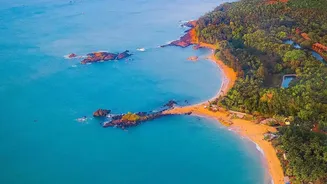
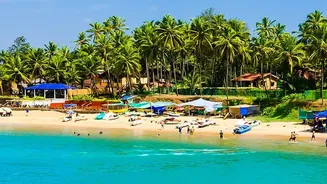
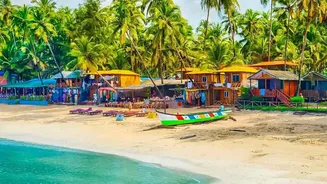
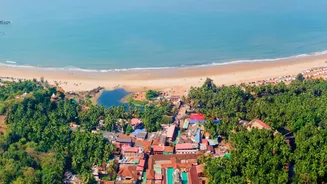
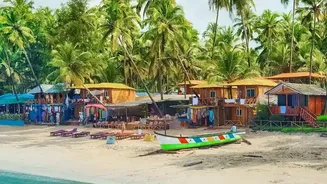
Gokarna’s appeal lies in its dual identity. At its heart, it is one of Karnataka's most revered pilgrimage towns, home to the ancient Mahabaleshwar Temple. This spiritual core infuses the town with a tranquility that parties and commercialism have yet to erode. Radiating from the town centre is a string of pristine beaches, each with a distinct personality. Kudle and Om beaches are the most popular, lined with rustic shacks and yoga schools, while reaching the more remote Half Moon and Paradise beaches requires a trek or a boat ride, rewarding the effort with untouched sands. This raw, slightly rugged feel attracts a crowd of backpackers, yogis, and soul-searchers who prefer stargazing and acoustic jam sessions to loud nightclubs. It’s a place where the day is measured by tides and sunsets, not by a schedule.
Varkala: The Cliffside Bohemian Retreat
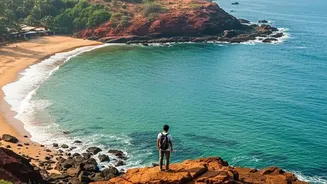
Travel south to Kerala, and you'll find Varkala, a town defined by its stunning geological feature: a long, red laterite cliff that runs parallel to the Arabian Sea. The entire tourist ecosystem is perched atop this cliff, with a winding path connecting a vibrant array of cafes, guesthouses, Ayurvedic centres, and boutique shops, all offering panoramic ocean views. Varkala is more compact and developed than Gokarna, attracting wellness travellers, couples, and a growing community of digital nomads. Its main beach, Papanasam, is believed to have holy waters that wash away sins. The vibe here is bohemian-chic; you’re as likely to find a top-notch flat white as you are a traditional Ayurvedic treatment. It’s a place that masterfully blends modern comfort with spiritual heritage.
The New Traveller: Digital Nomads and Mindful Explorers
The rise of Gokarna and Varkala is deeply connected to the changing profile of the modern traveller. The global shift to remote work has created a generation of digital nomads seeking work-life balance in beautiful, affordable locations. Both towns have risen to the occasion, with cafes and guesthouses offering reliable Wi-Fi, making the 'work from beach' dream a reality. Beyond the practicalities, there is a deeper philosophical shift. More travellers are seeking authenticity and connection. They want to engage with local culture, prioritise wellness, and minimise their environmental impact. Gokarna's blend of pilgrimage and pristine nature, and Varkala's focus on Ayurveda and yoga, cater perfectly to this conscious consumer. These aren't just holidays; they are 'workations' and restorative retreats.
The Challenge of Staying Special
With popularity comes pressure. Both Gokarna and Varkala are grappling with the challenges of rapid tourism growth. In Varkala, the fragile cliffs face erosion, threatened by unregulated construction and the sheer volume of visitors. In Gokarna, there are concerns about waste management and ensuring development doesn't spoil the very tranquility that makes it special. Local communities and authorities are aware of the risks. There are ongoing conversations and initiatives aimed at promoting sustainable tourism, from beach cleanup drives to calls for better regulation to protect the natural landscape. The future of these coastal gems depends on striking a delicate balance: accommodating growth while preserving the unique soul that put them on the map.