





A 'Farm-to-Fork' Philosophy
The Food Safety and Standards Authority of India (FSSAI) is reportedly developing a proposal to implement a 'farm-to-fork' model for food safety. This means that instead of primarily testing finished products on store shelves or at processing plants,
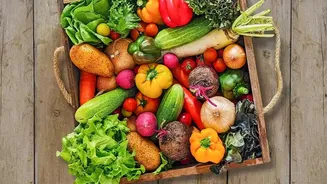
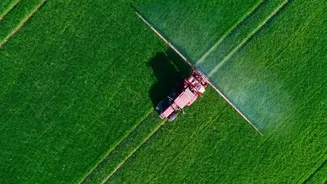
the focus would shift to the primary production stage. The goal is to catch contaminants at the source, whether it's excessive pesticide residue on crops, heavy metals in the soil, or unhygienic practices at the level of small-scale vendors. This represents a move from a reactive strategy—catching problems after they have occurred—to a proactive one aimed at prevention. The plan involves building a more robust surveillance system that monitors the entire supply chain, ensuring safety is embedded from the very beginning.
Why the Current System Needs an Overhaul
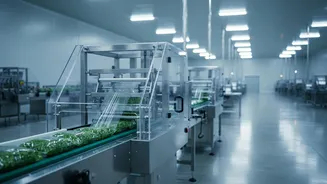
For years, food safety in India has been a downstream effort. A product is often tested long after it has left the farm, been processed, packaged, and transported. This creates significant challenges. By the time a contaminant is found, the product may have already been widely distributed or consumed, making recalls difficult and public health risks high. Furthermore, tracing the contamination back to its specific origin—a particular farm or batch—is often nearly impossible under the current fragmented system. Issues like the indiscriminate use of pesticides and antibiotics at the farm level are major concerns that are difficult to address by only testing the end product. This new approach aims to fix these foundational gaps.
Potential Benefits for Health and Trade
The upsides of a successful shift are significant. For consumers, it means greater confidence in the safety and quality of food, tackling persistent worries about chemical contamination. For the nation's economy, it could be a major boost. Many countries, particularly in the developed world, have stringent standards for imported food products, including limits on pesticide residues. By ensuring quality at the farm level, Indian agricultural exports would be better positioned to meet these international standards, potentially opening up new markets and boosting trade. This proactive model could transform India’s reputation from a reactive market to one that prioritizes and guarantees quality from the ground up, benefiting both domestic consumers and global partners.
The Hurdles of Implementation
While the vision is compelling, the execution will be immensely complex. India’s agricultural sector is dominated by millions of small and marginal farmers, and its food vending landscape is largely informal. Implementing a standardized inspection and traceability system across such a decentralized network is a monumental task. It would require significant investment in infrastructure, including a vast network of testing labs at the district or even block level, a process the government has acknowledged and is working on. It also necessitates extensive training and capacity-building for farmers and local-level inspectors. There are concerns that stringent regulations, if not implemented with adequate support, could place an overwhelming burden on small producers, potentially disrupting their livelihoods. Striking a balance between ensuring safety and supporting the backbone of the agricultural economy will be the critical challenge.