





The Promise of a Perfect Scan
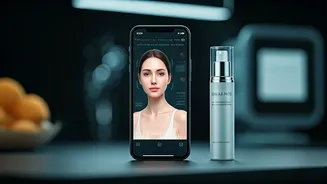
Dozens of apps now offer to decode your skin's secrets. The process is simple: you snap a well-lit, makeup-free selfie, and the app’s artificial intelligence gets to work. Within seconds, you're presented with a detailed report, often scoring you on everything
from wrinkles and dark spots to texture, hydration, and pore size. Many of these services then conveniently recommend a personalized routine of products, often from their own brand, designed to target your specific 'problem' areas. For anyone who has ever felt overwhelmed by the endless aisles of skincare products, the appeal is obvious. It promises a data-driven, objective shortcut to the perfect skincare routine, tailored just for you.
How The AI Sees Your Skin
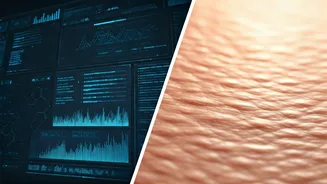
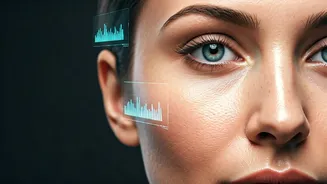
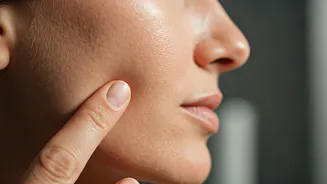
This isn't just a fancy filter. These apps use sophisticated technology, specifically computer vision and machine learning algorithms. The AI has been 'trained' on millions of images of diverse skin types and conditions, learning to recognise visual patterns that correspond to specific issues. When it analyses your selfie, it's cross-referencing the pixels of your face—identifying areas of redness, shifts in pigmentation, and the subtle textures of fine lines—against this vast database. Think of it like a junior dermatologist who has studied millions of case photos. It's designed to spot visible, surface-level features with incredible speed and consistency.
What It Gets Right... And Where It Falls Short
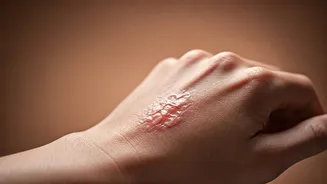
For tracking surface-level cosmetic concerns, these tools can be quite useful. They are generally good at identifying and measuring things like fine lines, uneven pigmentation, visible pores, and texture. Studies have shown that for certain conditions, the AI's analysis can be highly accurate, sometimes comparable to a doctor's assessment for surface-level issues. The real strength is in consistent tracking; by taking photos under the same conditions over weeks or months, you can get objective feedback on whether your new serum is actually reducing dark spots or if your skin texture is improving. However, their limitations are significant. The accuracy is heavily dependent on the quality of your photo—lighting, shadows, and camera resolution can all skew the results. More importantly, these apps can only see the surface. They cannot diagnose underlying medical conditions like eczema, psoriasis, rosacea, or most critically, skin cancer. A concerning mole and a benign sunspot might look similar in a low-quality phone picture, and an app's false reassurance could be dangerous.
The Dermatologist's Verdict
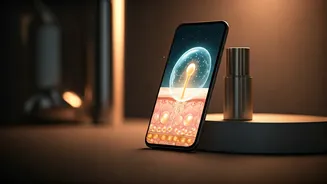
Most dermatologists view AI skin apps with cautious optimism. They see them as potentially useful tools for patient engagement and education, not as diagnostic replacements. An app can be a great starting point to get someone thinking about their skin health and monitoring for changes. However, experts stress that these tools cannot replace the holistic assessment of a trained medical professional. A dermatologist considers not just what they see, but also your medical history, lifestyle, and can use specialized tools like a dermatoscope to look beneath the skin's surface. The biggest concern among medical professionals is misdiagnosis, particularly a false negative for a serious condition like melanoma, which could delay life-saving treatment. The consensus is clear: use the apps for tracking cosmetic goals, but see a doctor for medical concerns.
The Hidden Costs: Privacy and Product Pushing
Before you upload your face, it's worth asking where your data is going. Facial images, especially when used for analysis, can be classified as sensitive biometric data under various privacy laws. While many reputable app developers use secure, encrypted systems and are transparent about their data use, not all are created equal. It's crucial to read the privacy policy to understand how your images are stored, who has access to them, and if they're being used to train third-party AI models. Furthermore, consider the source of the product recommendations. If the app is owned by a skincare brand, the suggestions are part of a sales funnel. The recommendations might be good, but they are not unbiased. The goal is often to sell you their specific products, not necessarily to provide the absolute best solution available on the market.