

Starting the day with a balanced meal is crucial for managing diabetes. Small additions can make a big impact. Here are five nutrient-rich seeds that can easily elevate your breakfast, helping to support stable blood sugar levels.
1. Chia Seeds
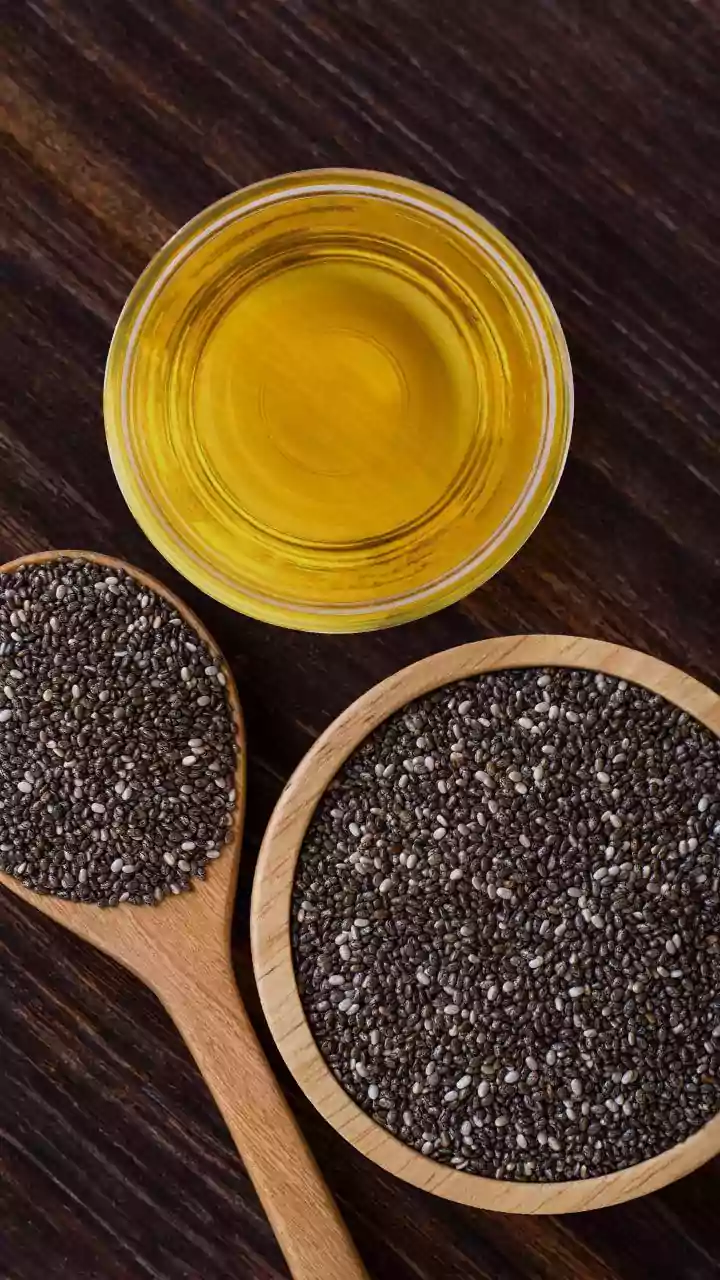
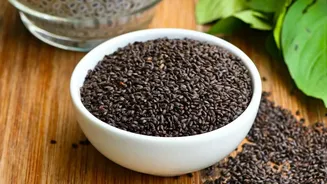
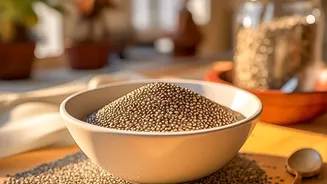
These tiny black seeds
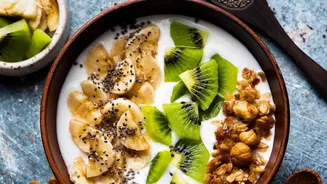
are a nutritional powerhouse, making them an excellent choice for a diabetes-friendly diet. Chia seeds are exceptionally high in soluble fibre, which forms a gel-like substance in your stomach. This process slows down digestion and the absorption of carbohydrates, helping to prevent sharp spikes in blood sugar after meals. With a very low glycemic index, they provide steady energy without disrupting glucose levels. Chia seeds are also a great source of omega-3 fatty acids and protein, which contribute to heart health and promote a feeling of fullness, aiding in weight management. Simply sprinkle a tablespoon over your morning dahi, blend them into a smoothie, or make an overnight chia pudding for an easy and satisfying breakfast.
2. Flax Seeds (Alsi)
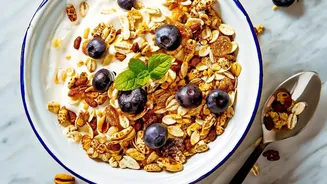
Flax seeds, or 'alsi', are another fantastic addition to a diabetic breakfast routine. They are one of the richest plant-based sources of alpha-linolenic acid (ALA), a type of omega-3 fatty acid that helps reduce inflammation, a key factor in managing diabetes-related complications. Rich in both soluble and insoluble fibre, flax seeds aid in blood sugar control by slowing down the release of sugar into the bloodstream. They also contain lignans, which are plant compounds with antioxidant properties that may improve insulin sensitivity. For best results, consume flax seeds ground, as the whole seeds may pass through your digestive system undigested. Add a spoonful of ground flaxseed to your morning oatmeal, upma, or mix it into the batter for dosa or cheela.
3. Pumpkin Seeds (Kaddu Ke Beej)
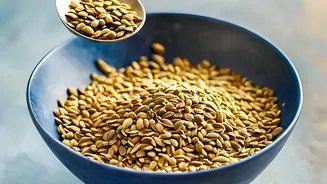
Often overlooked, pumpkin seeds are packed with nutrients beneficial for blood sugar regulation. They are an excellent source of magnesium, a mineral that plays a crucial role in the body's insulin response and glucose metabolism. Many people with type 2 diabetes have low magnesium levels, making pumpkin seeds a valuable dietary addition. These seeds are also rich in healthy fats, protein, and fibre, a combination that promotes satiety and helps maintain stable blood sugar levels. Their low carbohydrate content means they have a minimal impact on glucose. Enjoy a small handful as a snack, or sprinkle them over poha, yogurt, or a breakfast salad for a satisfying crunch.
4. Sunflower Seeds (Surajmukhi Ke Beej)
Sunflower seeds are more than just a crunchy snack; they are a valuable food for diabetes management. They contain healthy fats, protein, and fibre, which work together to slow digestion and prevent rapid blood sugar increases. These seeds are particularly rich in vitamin E, a powerful antioxidant that helps combat inflammation. Furthermore, they are a good source of magnesium and plant compounds like chlorogenic acid that may help in lowering blood sugar. Their low glycemic index makes them a safe and nutritious choice. Add a tablespoon of unsalted sunflower seeds to your breakfast cereal, yogurt, or use them to garnish a vegetable omelette for added texture and nutrients.
5. Sesame Seeds (Til)
A staple in Indian kitchens, sesame seeds ('til') offer significant health benefits for those managing diabetes. They are a good source of protein, healthy fats, and fibre, which help in regulating blood glucose levels. Sesame seeds are also rich in magnesium, a mineral known to help lower blood pressure and support blood sugar control. Studies have suggested that components in sesame seeds may help improve glycemic control over time. Available in both black and white varieties, they can be easily incorporated into your morning meal. Toast them lightly to enhance their nutty flavour and sprinkle them on idli with podi, add them to a bowl of fruit, or blend them into a tahini dressing for a savoury breakfast salad.