




Stage 1: The Raw and The Fresh
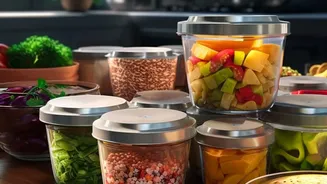
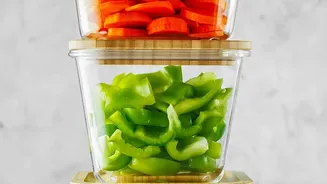
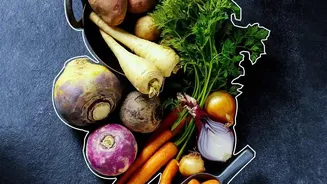
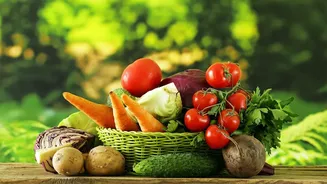
It all begins with fresh produce. Leafy greens like spinach or coriander should be washed, thoroughly dried using a salad spinner or paper towels, and stored in a container lined with a dry paper towel to absorb excess moisture. This prevents them from
going slimy. Root vegetables like carrots and radishes, on the other hand, stay crisper when submerged in a container of filtered water in the fridge, with the water changed every couple of days. For items like ginger and garlic, keep them whole and in a cool, dark place until you’re ready to use them. Chopped onions and garlic can be stored in an airtight container in the fridge for a few days, but be aware that they will lose some of their pungency. The key is to manage moisture and airflow according to the specific vegetable.
Stage 2: The Paste and The Masala
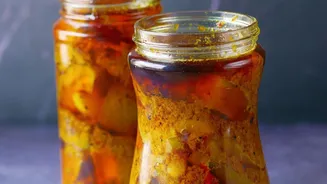
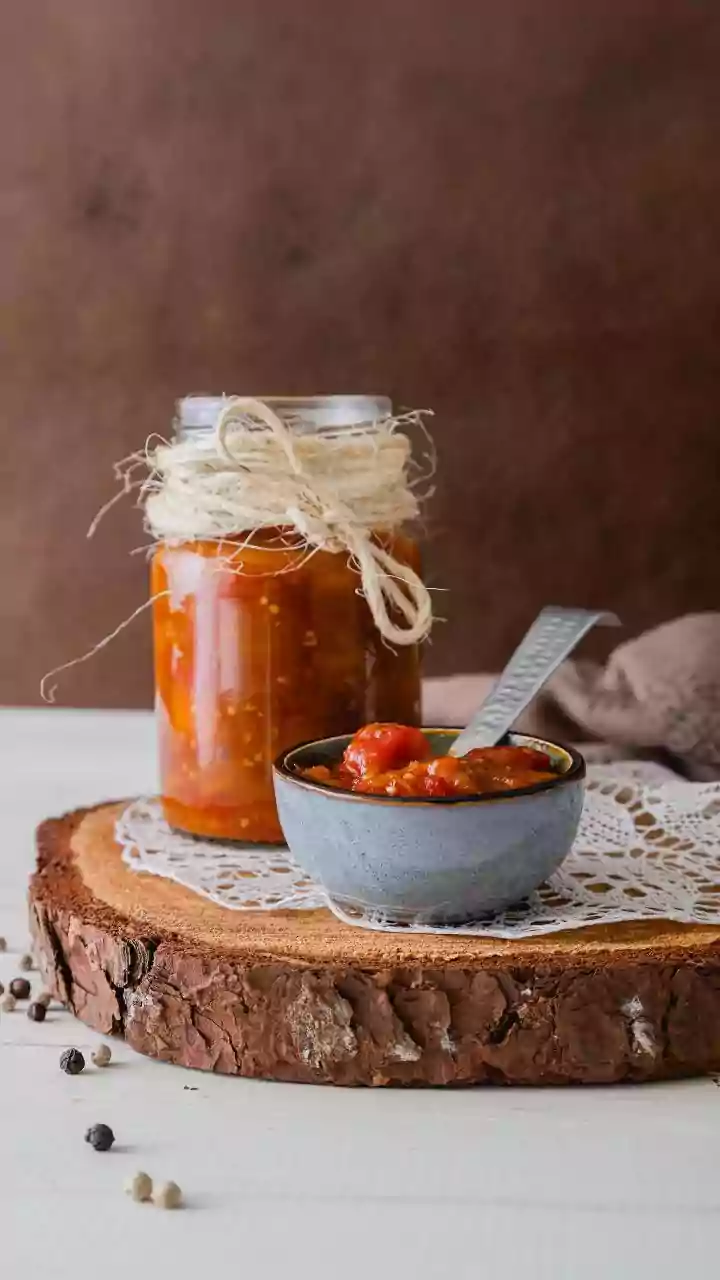
The heart of many Indian dishes is the masala paste, whether it’s a simple ginger-garlic blend or a more complex onion-tomato base. Wet masalas are prone to spoilage due to their moisture content. For short-term use (up to a week), store them in a clean, airtight glass jar in the refrigerator. Adding a thin layer of oil on top can act as a barrier against air and prolong freshness. For longer storage, freezing is the best option. You can freeze the paste in ice cube trays, then transfer the frozen cubes to a zip-top bag. This allows you to use small, pre-portioned amounts as needed. Dry spice mixes, or masalas, should be kept in airtight containers in a cool, dark cabinet, away from heat and sunlight. Contrary to popular belief, refrigeration is often unnecessary for dry masalas and can introduce moisture via condensation, which degrades flavour.
Stage 3: The Marinade Moment
Marinating is crucial for flavourful paneer tikka or chicken curry, but it's a stage that requires strict food safety. Always marinate food inside the refrigerator in a covered, non-reactive container like glass or stainless steel. Never marinate on the kitchen counter, as this can allow harmful bacteria to grow in the temperature 'danger zone' between 40°F (4°C) and 140°F (60°C). For poultry, marination can last up to two days, while tougher cuts of red meat can go for up to five days. However, for delicate items like fish or marinades with high acid content (from citrus or yogurt), the time should be much shorter to prevent the texture from becoming mushy. A crucial rule: never reuse a marinade that has been in contact with raw meat unless you bring it to a rolling boil first.
Stage 4: The Half-Cooked Gravy
Many cooks prepare a base gravy or half-cook components to save time later. This stage is particularly risky. According to food safety experts, partially cooked food should ideally be transferred immediately to a hot grill or pan to finish cooking. Cooling and refrigerating partially cooked meat or poultry is generally discouraged because it may not kill all bacteria, allowing them to multiply when the food slowly cools. If you must store a half-done gravy or par-boiled vegetables, you have to cool them rapidly. Place the pot in an ice-water bath before moving it to the fridge within two hours. This minimises the time food spends in the temperature danger zone where bacteria thrive.
Stage 5: The Finished Dish
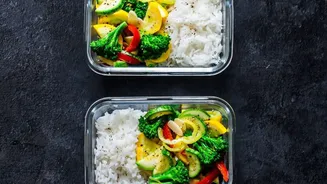
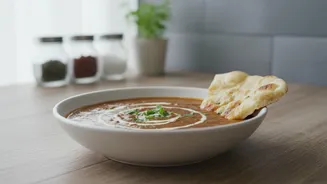
Storing leftovers seems simple, but there's a right way to do it. First, allow the hot curry or dal to cool down before refrigerating. To do this quickly and safely, transfer the food to a wide, shallow container to increase the surface area. Storing hot food directly in the fridge can raise the internal temperature, putting other foods at risk. Once cooled, place leftovers in an airtight container; glass is often preferred as it doesn't stain or retain odours. Most curries and dals can be safely stored in the fridge for 3-4 days. When reheating, bring the dish to a proper temperature on the stove rather than just warming it. Adding a splash of water or milk can help restore the consistency.