


A catastrophic high-speed train collision in Spain that claimed 69 lives has prompted the transport minister's resignation and intensified scrutiny of the nation's celebrated rail network. As investigators probe the cause, the tragedy raises urgent questions
about safety and investment.
What We Know About the Collision
On October 28, a high-speed Renfe AVE train travelling from Madrid to Seville collided with a stationary train from the private operator Iryo near Urda, in the province of Toledo. The crash resulted in 69 fatalities, including 15 foreign nationals, and injured over 200 passengers. The impact was severe, causing several carriages to derail and fall down an embankment. The incident began around 8:30 AM when a computer malfunction disabled the automatic LZB safety system along a 63-kilometre stretch of track, automatically halting all trains in the area. The stationary Iryo train was one of those affected.
An 'Inexplicable' Decision
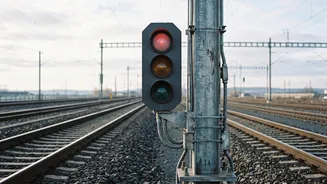
The focus of the investigation, led by Spain's Independent Authority for the Technical Investigation of Accidents and Incidents (AITAT), has quickly turned to human error within the control centre. With the automated safety system down, manual control was assumed by staff in Madrid. According to then-Transport Minister Óscar Puente, a controller made an 'inexplicable' decision to authorise the Renfe train to resume its journey at normal speed, despite a red signal and the stationary train ahead. The train then travelled approximately 25 kilometres at speeds potentially reaching up to 200 km/h before the collision. Investigators are examining why standard safety procedures for such a failure, which require trains to proceed at a much-reduced speed, were not followed.
A Crisis of Confidence
The Urda collision was Spain's second fatal high-speed rail disaster in 2026, shattering the network's previously stellar safety record. In January, a crash on the same Madrid-Seville line near Adamuz killed 46 people. These back-to-back tragedies have triggered a national crisis of confidence and intense political fallout. Six days after the Urda crash, Transport Minister Óscar Puente announced his resignation, stating a minister could not remain in office after two such serious accidents in less than a year. The disasters have cast a dark shadow over a system long hailed as one of the world's best, second only to China's in size.
Underinvestment and Systemic Failures
Beyond the immediate cause, unions and industry experts point to deeper, systemic issues. Railway unions have argued that deteriorating working conditions and understaffing at control centres compromise safety. Critics also highlight chronic underinvestment in maintenance and modernization, especially when compared to the network's rapid expansion and rising passenger numbers. While the government states that maintenance spending has increased, some analyses suggest that when adjusted for inflation and passenger growth, investment has actually fallen. There are also concerns that funding has been prioritized for building new lines over maintaining existing ones, including the oldest high_speed line where both of this year's fatal accidents occurred.
The investigation is also scrutinizing the reliability of both primary and backup safety systems. The initial failure of the LZB automatic system, followed by the apparent failure of manual protocols, has exposed multiple vulnerabilities. While Spain's rail network has been considered one of Europe's safest based on past statistics, the recent events have led to widespread public concern and calls for a comprehensive review of the entire system. Commuter networks, particularly the Rodalies service in Catalonia, have also been plagued by disruptions and accusations of neglect, suggesting that investment and safety concerns are not limited to the high speed lines.