
In our modern world, many of us spend hours sitting at a desk, which can take a toll on our health. But staying active doesn't require a gym membership or intense exercise. Gentle movement is an accessible and effective way to feel better.
The Power of Breaking Up Your Day
Prolonged sitting
is linked to a variety of health concerns, including an increased risk of chronic pain, muscle weakness, and poor circulation. The good news is that interrupting these long sedentary periods with short bursts of activity, often called 'movement snacks', can make a significant difference. Research shows that even brief periods of light activity—as little as a few minutes—can improve circulation, reduce muscle stiffness, and even boost your mood and focus. One study found that reducing sedentary time by just one hour a day was linked to a 26% lower risk of heart disease in women. These small, intentional movements help counteract the negative effects of inactivity.
What Exactly Is Gentle Movement?
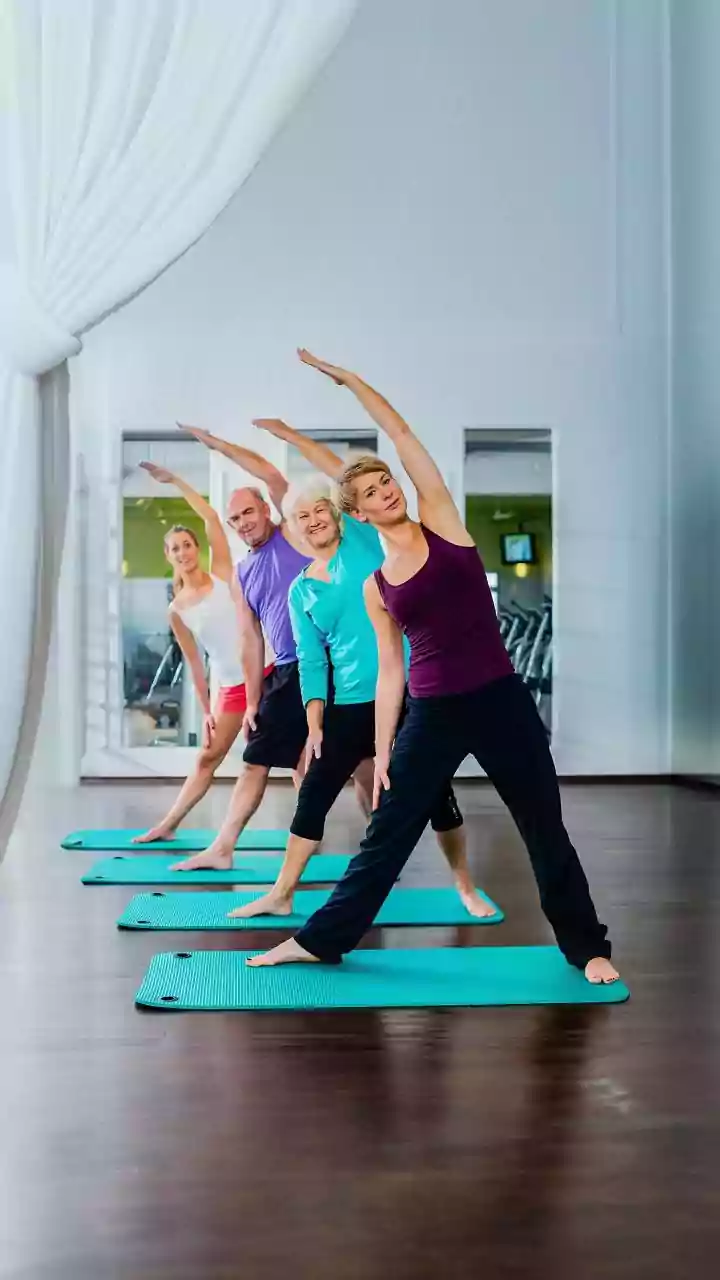
Gentle movement refers to low-impact physical activities that are easy on your joints. Unlike high-impact exercises that involve jumping or running, gentle workouts focus on fluid, controlled motions. This makes them ideal for beginners, people with joint pain, or anyone looking for a less strenuous way to stay active. Examples include stretching, yoga, Pilates, and simple bodyweight exercises. The goal isn't to leave you breathless and drenched in sweat, but to get your body moving, improve flexibility, and build foundational strength in a sustainable way.
Simple Movement Breaks for Your Workday
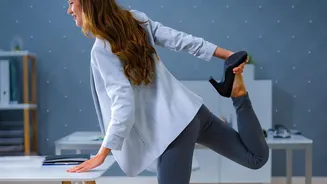
Incorporating movement into a busy workday doesn't have to be complicated. The key is to make it a consistent habit. Try setting a timer to remind yourself to get up and move every hour. You can perform simple stretches right at your desk, such as torso twists, neck rolls, and wrist circles to relieve tension. Standing hip hinges or chair squats can activate your leg muscles. If you have a bit more space or privacy, consider taking short, brisk walks down the hallway, taking the stairs instead of the elevator, or even doing some walking while you take a phone call. Even five minutes of focused movement can reset your body and mind.
Bringing the Walk Indoors
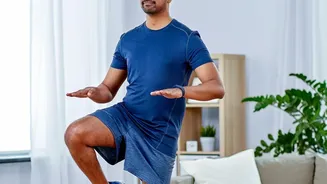
An at_home walking workout is exactly what it sounds like: a structured routine that allows you to get thousands of steps in without leaving your living room. These workouts are a fantastic, weather_proof option that requires no special equipment. They are built around a few core moves: marching in place, side steps, knee lifts, and hamstring curls, often combined with arm movements to increase the intensity and work the whole body. You can follow along with countless free guided videos online or simply put on some music and create your own routine. Research has shown that a 30_minute indoor walk can burn a similar number of calories as an outdoor walk at the same pace.
How to Start Your At Home Walking Workout
Getting starting is simple. Begin with a short warm up of easy marching for a couple of minutes to get your blood flowing. Then, you can increase your pace or start mixing in other movements. A basic routine could involve one minute of brisk marching followed by 30 seconds of side steps, and then 30 seconds of knee lifts. Repeat this cycle for 10–15 minutes. Focus on good form : stand tall with your core engaged and swing your arms naturally. Many popular online walking workouts , like those from Leslie Sansone's 'Walk at Home' program , offer structured routines for all fitness levels , from one–mile beginner walks to more intense five–mile sessions.
Making It a Lasting Habit
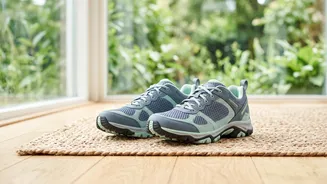
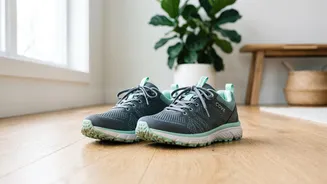
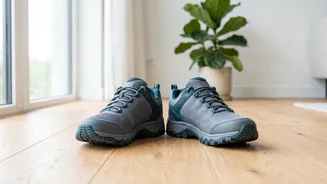
The key to seeing long–term benefits is consistency. Start small with realistic goals , like aiming for three $10$-minute movement breaks or one $15$-minute at–home walk each day . Schedule your activity as you would any other important appointment . To stay motivated , find what makes it enjoyable for you . This could be walking while listening to a podcast , following an energetic instructor online , or simply enjoying the feeling of moving your body . Investing in a comfortable pair of shoes can also make the experience more pleasant and reduce the risk of injury . Remember that every little bit of movement adds up and contributes to a healthier , more active lifestyle .