





Why October Feels So Stifling
October in many Indian cities is known for its 'second summer' or 'October heat'. After the monsoon recedes, clear skies and strong sun return, but the residual moisture in the atmosphere creates a intensely muggy and uncomfortable environment. This high
humidity makes it harder for your sweat to evaporate, which is the body's primary way of cooling down. When you're packed into a crowded metro, surrounded by hundreds of other people, the heat and humidity are amplified. Even with air conditioning systems, the sheer volume of commuters during peak hours can overwhelm the ventilation, leading to stuffy, oxygen-poor conditions that accelerate fluid loss and fatigue.
Hydration is More Than Just Water
While drinking plain water is crucial, it's often not enough when you're losing significant fluids through sweat. Sweat contains essential electrolytes like sodium, potassium, and magnesium, which are vital for muscle function, nerve signaling, and maintaining your body's fluid balance. Relying solely on water can dilute the remaining electrolytes in your system, sometimes making symptoms of dehydration worse. Consider supplementing your water intake with natural, electrolyte-rich alternatives. Coconut water is an excellent choice as it's low in sugar and high in potassium. A simple glass of buttermilk ('chaas') or lemonade ('nimbu pani') with a pinch of salt and sugar can also effectively replenish lost fluids and minerals.
Time Your Sips for Maximum Effect
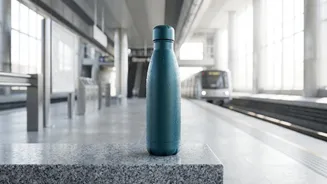
Don't wait until you're on a crowded train and feeling thirsty to start drinking. Thirst itself is an early sign that you are already on the way to being dehydrated. A smarter strategy is to hydrate proactively throughout the day. Start your morning with a glass or two of water to reverse overnight dehydration. Have another glass before you leave for your commute. Carry a reusable bottle with you and take small, frequent sips during your journey rather than gulping large amounts at once. This helps your body absorb the fluid more effectively. Once you reach your destination, drink another glass of water to replenish what you lost during the trip.
Spotting the Sneaky Signs of Dehydration
Thirst and a dry mouth are the most obvious symptoms of dehydration, but there are other, more subtle signs to watch for, especially when you're distracted by the chaos of a commute. Mild dehydration can manifest as a dull headache, unexplained fatigue, irritability, or difficulty concentrating. You might feel unusually sluggish or find that the commute feels more stressful than normal. Another key indicator is the colour of your urine; if it's dark yellow, your body is telling you it needs more fluid. Pay attention to these signals, as they are your body's early warning system.
Beyond the Bottle: Other Commuting Comforts
Staying comfortable in a stuffy metro involves more than just hydration. Your choice of clothing can make a significant difference. Opt for light, breathable fabrics like cotton or linen that allow air to circulate and help sweat evaporate. If you start to feel dizzy or overheated, try to find a spot near a door or an air vent where the air might be cooler. It can also be helpful to carry a small pack of wet wipes or a cooling facial mist for a quick refresh. If you feel faint or severely unwell, don't hesitate to get off at the next station and find a place to sit and recover before continuing your journey.