


Saturn at its Brightest
The month kicked off with a major treat for planet-gazers. On October 4, Saturn reached opposition, meaning Earth passed directly between the ringed planet and the sun. This alignment places Saturn in the sky for nearly the entire night, rising around
sunset and setting around sunrise. For observers in India, this provided an excellent opportunity to spot the planet shining brightly. Although the peak has passed, Saturn remains a fantastic object to view throughout October. It will be visible all night long, appearing as a steady, yellowish point of light. While you can see it with the naked eye, even a small telescope will reveal its famous rings, a sight that never fails to impress. Look for it in the constellation Pisces.
The Draconid Meteor Shower
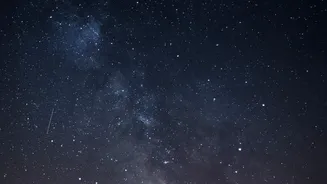
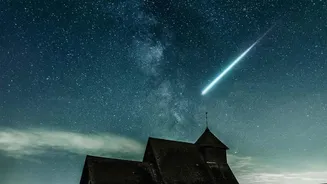
Get ready for some cosmic fireworks early in the month. The Draconid meteor shower is set to peak on the night of October 8-9. Unlike many other meteor showers that are best viewed after midnight, the Draconids are an evening affair. The best time to look is right after nightfall, as its radiant point in the constellation Draco the Dragon is highest in the sky. This year’s viewing conditions are expected to be excellent, as the peak occurs just before the new moon, meaning dark, moonless skies will make it easier to spot the meteors. The Draconids are typically a modest shower, producing around 5 to 10 meteors per hour, but they are known for being slow-moving, which can make them easier to spot.
The Orionid Meteor Shower
Later in the month, another, more famous meteor shower takes the stage: the Orionids. This shower, produced by debris left behind by Halley's Comet, will peak on the night of October 21-22. At its best, the Orionid shower can produce up to 20 fast and bright meteors per hour under perfect conditions. However, a bright waxing gibbous Moon will be present during the peak this year, which may wash out some of the fainter meteors. Your best bet for viewing will be in the few hours before dawn on October 22, after the Moon has set. Find a dark spot away from city lights, let your eyes adjust for about 20-30 minutes, and look towards the constellation Orion.
The Hunter’s Full Moon
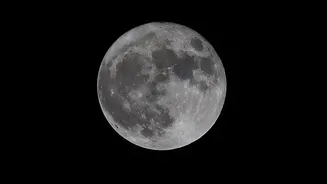
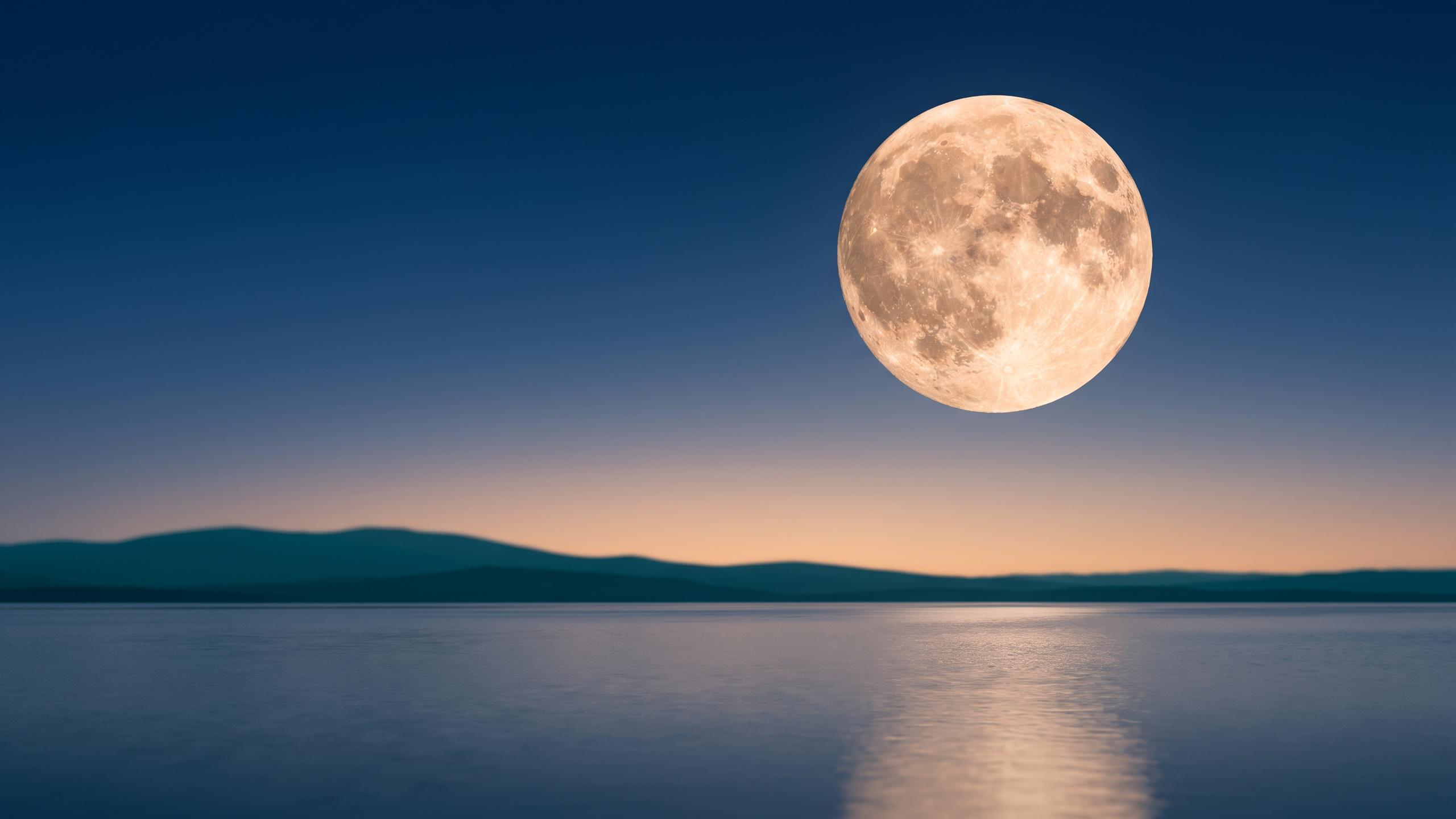
October’s full moon, traditionally known as the Hunter's Moon, will rise on the evening of October 25 and reach its peak illumination early on October 26. This name comes from folklore, as it follows the Harvest Moon and traditionally lit the way for hunters preparing for winter. The full moon will appear bright and large all night. For a particularly beautiful view, try to catch the moonrise around sunset. When the moon is low on the horizon, it can take on a stunning golden or orange hue due to Earth's atmosphere. It’s a spectacular sight that requires no special equipment, just a clear view to the eastern horizon.
A Close Pass with the Seven Sisters
As a final treat for the month, watch as the Moon cozies up to a famous and beautiful star cluster. On the night of October 27-28, the Moon will pass very close to the Pleiades, also known as the Seven Sisters. This star cluster is easily visible to the naked eye, appearing as a small, misty patch of light resembling a tiny dipper. To see them, look toward the eastern sky in the evening. The pairing of the bright Moon with the delicate sparkle of the Pleiades will be a beautiful sight. While you can see the cluster without aid, binoculars will reveal dozens of stars and offer a much more spectacular view.