







More Than Just New Vehicles
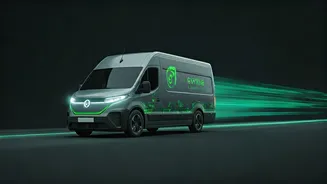
The transition to an electric delivery fleet is far more complex than simply swapping diesel trucks for their battery-powered counterparts. While the lower running costs and zero tailpipe emissions are compelling, the vehicle itself is just the visible
tip of the iceberg. Success depends on a complete operational overhaul, creating a new ecosystem of 'ground support' that many businesses are only now beginning to understand. Without it, companies risk their expensive new assets sitting idle. This support system involves three critical pillars: charging infrastructure, specialised maintenance, and intelligent software. For fleet operators in India, navigating these areas is the key to unlocking the true economic and environmental benefits of electrification.
The Charging Conundrum
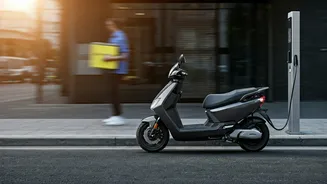
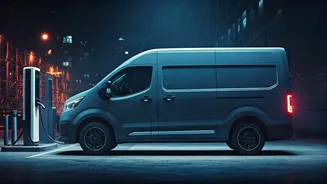
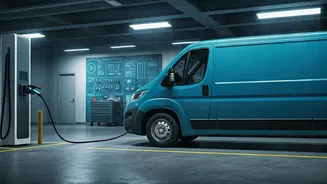
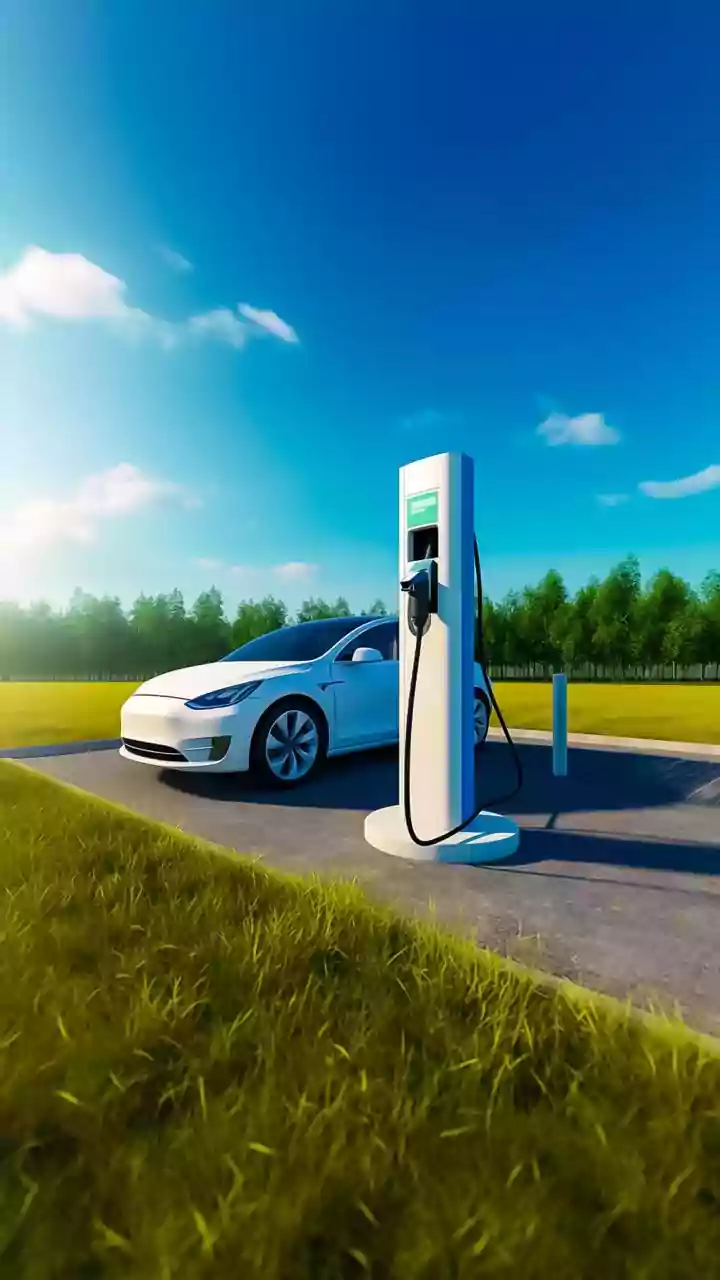
The most immediate challenge is keeping vehicles powered up. Unlike diesel, where fuel is widely available, EV fleets require a meticulously planned charging strategy. This starts at the depot. Operators need to install charging infrastructure that can handle the entire fleet, often overnight. This involves significant upfront investment and careful planning to ensure the local electricity grid can handle the additional load. The choice between slower, cheaper AC chargers and faster, more expensive DC fast chargers depends on the fleet's daily routes and turnaround times. Furthermore, for vehicles on longer routes, access to a reliable public charging network is crucial. However, the current public infrastructure in India is often inadequate, with issues of charger unavailability, long queues, and uneven distribution, making depot charging the most reliable option for now.
A New Kind of Maintenance
Electric vehicles have fewer moving parts than diesel engines, which translates to lower maintenance costs and longer service intervals. However, they are not maintenance-free. The skill set required to service EVs is entirely different. Technicians need to be trained in high-voltage battery diagnostics, power electronics, and software systems. There is currently a significant shortage of mechanics with these skills in India. Key components like the battery—the most expensive part of the EV—require regular health monitoring to maximise their lifespan. Other parts also need attention; the instant torque of electric motors can lead to faster tyre wear, and regenerative braking systems, while saving on brake pads, still need periodic checks.
Software as the Central Brain
If charging is the fuel and maintenance is the pit crew, then software is the race strategist. Modern EV fleet management is impossible without sophisticated telematics and management software. These platforms provide real-time data on a vehicle's state-of-charge (SoC), location, and health. This allows dispatchers to optimise routes based on remaining range and identify the best times and locations for charging. Smart charging software can automatically schedule charging to take advantage of off-peak electricity rates, significantly reducing energy costs. The software also plays a vital role in driver management, providing insights into driving behaviour that can be used for coaching to extend vehicle range and reduce wear and tear.
Putting It All Together
For Indian fleet operators, the path to electrification is both promising and challenging. While the total cost of ownership for EVs is becoming increasingly favorable compared to diesel, especially for urban delivery routes, the initial investment in vehicles and ground support infrastructure remains high. Government incentives help, but success requires a holistic strategy. Businesses must think like energy managers, data analysts, and tech innovators. This means investing not just in the vehicles, but in the chargers, the software, and the training for their people. Companies that build this robust ground support system will be the ones who not only contribute to a cleaner environment but also gain a significant competitive edge in the logistics landscape of tomorrow.