






The High Cost of Keeping the Lights On
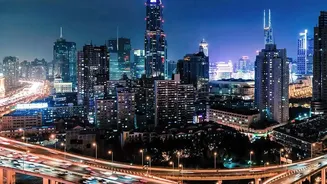
Public lighting is a massive expense for India's urban local bodies. Across the country, an estimated 35 million streetlights consume a significant portion of the nation's energy. This can account for anywhere from 5% to over 60% of a municipality's entire
electricity bill, costing local governments hundreds of millions of dollars annually. For example, the Surat Municipal Corporation reported that street lighting made up 17% of its total annual bill. Beyond the financial strain, this reliance on electricity contributes to carbon emissions, especially in a country still heavily dependent on fossil fuels. While India has made great strides with its Street Lighting National Programme to replace conventional lights with energy-efficient LEDs, the fundamental need for electricity remains.
Nature's Blueprint: The Science of Glowing Plants
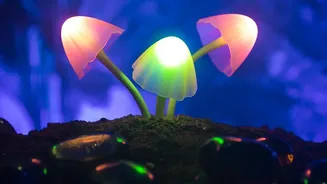
The solution might come from nature itself. The phenomenon is called bioluminescence, the same process that allows fireflies to light up summer nights and some deep-sea creatures to glow in the ocean's depths. Scientists are now harnessing this by using genetic engineering. The most promising method involves borrowing genes from bioluminescent mushrooms. These mushrooms have a unique pathway that uses caffeic acid—a compound already present in all plants—to create a self-sustaining cycle of light production. By inserting the fungal DNA into a plant's genome, scientists can essentially turn the plant into a living lantern that produces its own light as long as it's alive, without needing to be 'charged'.
From Lab Bench to Lamppost
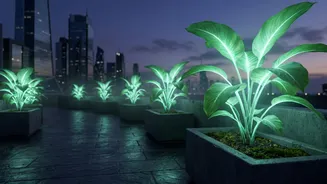
The idea of using glowing plants for light isn't new, but recent breakthroughs have made it more tangible. Startups like the US-based Light Bio have already started selling genetically engineered 'Firefly Petunias' to the public, which emit a soft glow from their flowers and buds. In China, researchers at Magicpen Bio have engineered over twenty species, including roses and sunflowers, to produce light autonomously. The vision is to scale this technology up from small decorative plants to large trees that could line avenues and illuminate public parks. Beyond just saving electricity, these living lights could reduce light pollution, create a more serene urban atmosphere, and even support local ecosystems by providing a safer environment for pollinators.
The Hurdles: Brightness, Safety, and Regulation
Despite the exciting progress, significant challenges remain before our cities are lit by glowing flora. The most critical issue is brightness. Currently, the light emitted by these plants is soft and subtle, far from the intensity needed to safely illuminate a major roadway. One study noted that even the best-performing plants are far below the minimum standards required for road lighting. Then there is the question of public acceptance and regulation, especially concerning genetically modified organisms (GMOs). In India, the regulatory framework for GM crops is complex and cautious, governed by the Environment Protection Act of 1986. While Bt cotton has been commercially cultivated for years, proposals for GM food crops like Bt brinjal have faced moratoriums due to public and political debate. Introducing GM trees into the urban environment would undoubtedly require a thorough and careful process of risk assessment and public consultation to address any ecological and safety concerns.
An Indian Green Revolution 2.0?
While there are no specific large-scale bioluminescent plant projects announced for Indian metros just yet, the potential is undeniable. As India continues its rapid urbanization and pursues its Smart Cities mission, innovative, sustainable solutions are paramount. The country's existing framework for biotechnology research and its experience with regulating GM crops provide a foundation for exploring this technology. The journey from a glowing petunia in a pot to an avenue of light-emitting trees is long, but the prospect of reducing energy dependency, cutting costs for municipalities, and creating greener, more beautiful cities makes it a tantalizing goal. It represents a potential fusion of nature and technology that could redefine what a smart, sustainable Indian city looks like in the decades to come.