







The Body's Natural Air Conditioner
Our bodies are remarkably good at maintaining a stable internal temperature, even when it's scorching outside. The primary mechanism for this is sweating. When your body heats up, it releases sweat onto the skin. The magic, however, isn't in the sweat itself
but in its evaporation. As the sweat turns from liquid to vapour, it draws heat away from the body, effectively cooling you down. This process works beautifully in dry heat, where the air can easily absorb more moisture, allowing sweat to evaporate quickly and efficiently.
When Humidity Throws a Wrench in the Works
High humidity changes the game entirely. Humidity is the measure of moisture already present in the air. When the air is saturated with water vapour, as it often is during the monsoon or in coastal cities, there is little room for your sweat to go. Evaporation slows down dramatically, or in extreme humidity, stops altogether. Your body continues to produce sweat in an attempt to cool down, but it just sits on your skin, leading to that familiar sticky, drenched feeling without providing any of the cooling benefits. This ineffective cooling process means your internal temperature can continue to rise, putting significant strain on your system and increasing the risk of heat-related illnesses like heat exhaustion and heat stroke.
More Than Just Water Is Lost
As your body keeps sweating in a futile attempt to cool itself, you're not just losing water. Sweat is a complex fluid that also contains essential minerals known as electrolytes. These include sodium, potassium, chloride, calcium, and magnesium. Electrolytes are vital for numerous bodily functions; they help regulate fluid balance, facilitate nerve signals, and control muscle contractions, including the rhythm of your heart. In humid conditions, you can lose a significant amount of these crucial minerals through profuse, non-evaporating sweat. This loss can lead to an electrolyte imbalance, which can cause symptoms like muscle cramps, fatigue, dizziness, headaches, and nausea.
Why Water Alone Is Not Always Enough
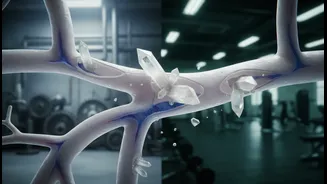
While drinking plain water is essential for hydration, it may not be sufficient during prolonged periods of heavy sweating in high humidity. If you only replace the lost fluids with water, you risk diluting the concentration of the remaining electrolytes in your body. This can exacerbate the imbalance and may even lead to a dangerous condition called hyponatremia (low sodium levels). Symptoms can worsen from muscle weakness to confusion and, in severe cases, can be life-threatening. This is where ionic or electrolyte-rich drinks become important.
The Role of Ionic and Electrolyte Drinks
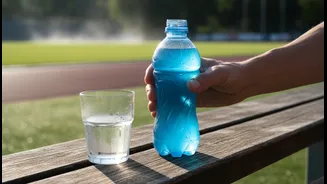
Ionic drinks are specifically formulated to replenish not just the water but also the essential electrolytes lost through sweat. These drinks, often categorised as hypotonic or isotonic, are designed for rapid absorption. They help restore the delicate balance of minerals in your body, supporting proper muscle function and hydration more effectively than water alone in demanding conditions. For individuals engaged in strenuous activity—like sports, outdoor labour, or even a long day of commuting in the heat—an electrolyte supplement can be critical. It helps prevent the debilitating effects of dehydration and electrolyte depletion, ensuring your body can continue to function optimally despite the challenging weather.