


The Sourdough Boom’s Sustainable Afterlife
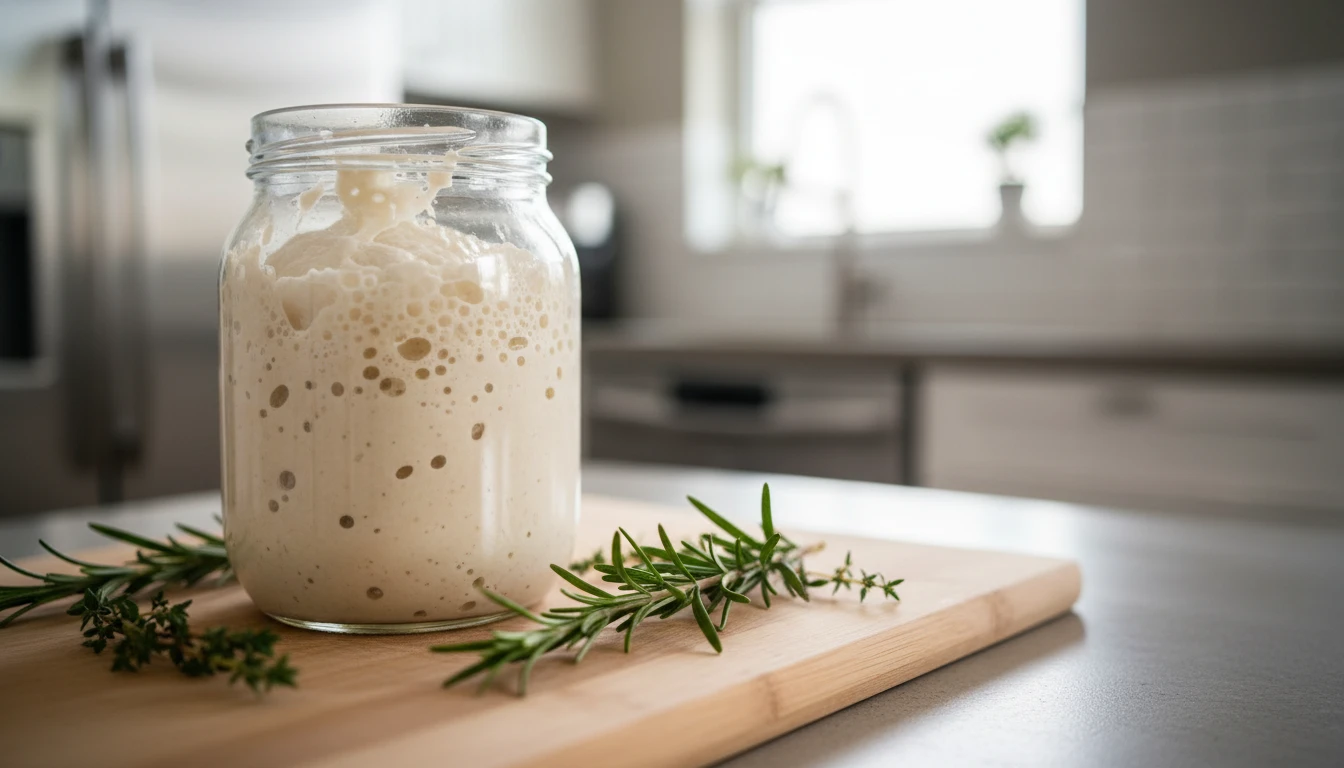
Not long ago, kitchens across urban India were bubbling with a new obsession: sourdough. Nurturing a starter—a living culture of flour and water—became a comforting ritual. Yet, every feed of this starter produces a byproduct known as 'discard'. Initially,
many bakers simply threw this tangy, gooey mixture away. But a significant shift, driven largely by urban millennials, has transformed this discard from a nuisance into a prized ingredient. This generation, deeply invested in sustainability, saw an opportunity not just to bake bread, but to build a more conscious kitchen. Repurposing discard is more than a cooking hack; it's a statement against waste and a nod to a circular economy that begins at home.
A Stand Against Food Waste
At its core, the love for sourdough discard is rooted in a powerful aversion to waste. For a generation acutely aware of climate change and environmental degradation, throwing away perfectly usable food feels wrong. Food scraps make up a huge portion of household waste, and when sent to landfills, they produce methane, a potent greenhouse gas. Using sourdough discard aligns with a broader 'root-to-stem' cooking philosophy that is gaining traction. It’s about honouring the resources that go into our food and finding value in every part. Recent reports show that a majority of young Indians are increasingly prioritising brands and practices that are eco-friendly, making the zero-waste kitchen a key part of their lifestyle. This mindset turns a simple act like making crackers from discard into a meaningful form of environmental activism.
A Playground for Culinary Creativity
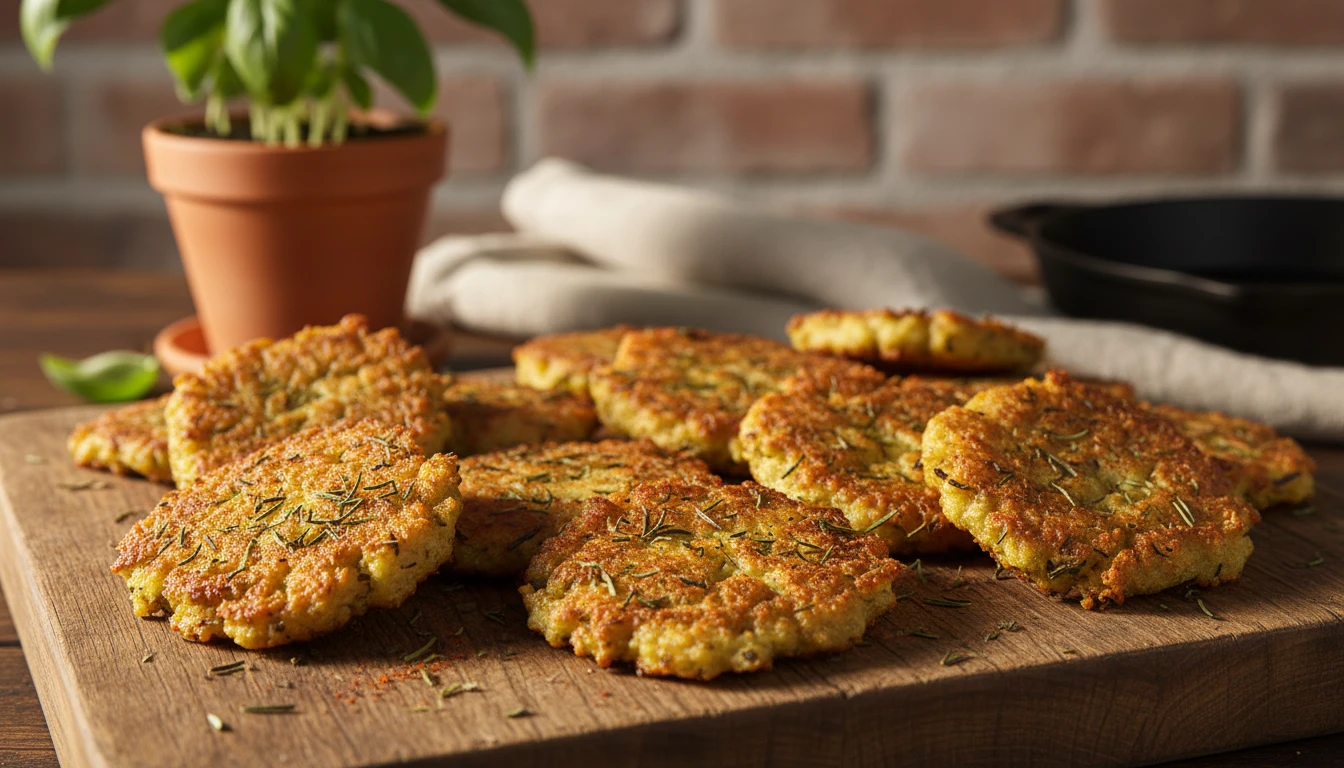
Beyond its eco-credentials, sourdough discard is an incredibly versatile ingredient that has unlocked a new wave of culinary creativity. Its tangy flavour and unique texture can be used in a surprising number of recipes that go far beyond bread. Home cooks are experimenting with everything from crispy crackers and savoury pancakes to fluffy waffles, biscuits, and even rich chocolate cakes. Online communities and social media are flooded with home chefs sharing their latest discard creations, turning a simple byproduct into the foundation for breakfast, snacks, and dessert. This appeals to the millennial desire for experimentation and personalisation in the kitchen, offering a low-stakes way to innovate and create something new from something old.
The Frugal Foodie’s Secret Weapon
In today’s economic climate, making every rupee count is more important than ever. The sourdough discard trend is as much about smart economics as it is about sustainability. By repurposing discard, home cooks are essentially getting a 'free' ingredient that can replace store-bought items like crackers, pancakes, or pizza bases. This mindset of using what you have is a modern form of frugality, blending resourcefulness with gourmet aspirations. It proves that you don’t need to spend a lot of money to eat well and creatively. This 'waste not, want not' attitude is a practical response to rising food prices and a desire for financial savvy, making the practice both ethically satisfying and economically smart.
A Connection to Community and Tradition
The sourdough journey is often a shared one. The act of nurturing a starter connects bakers to a tradition that is centuries old. Sharing discard recipes online creates a modern-day community, a digital potluck of ideas and inspiration. This blend of ancient practice and modern technology is particularly appealing to urban millennials, who often seek authentic experiences and a sense of connection. The trend reflects a broader interest in slower, more mindful ways of living that stand in contrast to the fast-paced nature of city life. It’s about understanding where food comes from, taking part in its creation, and sharing that knowledge with others, building a culture of conscious consumption one discard pancake at a time.